
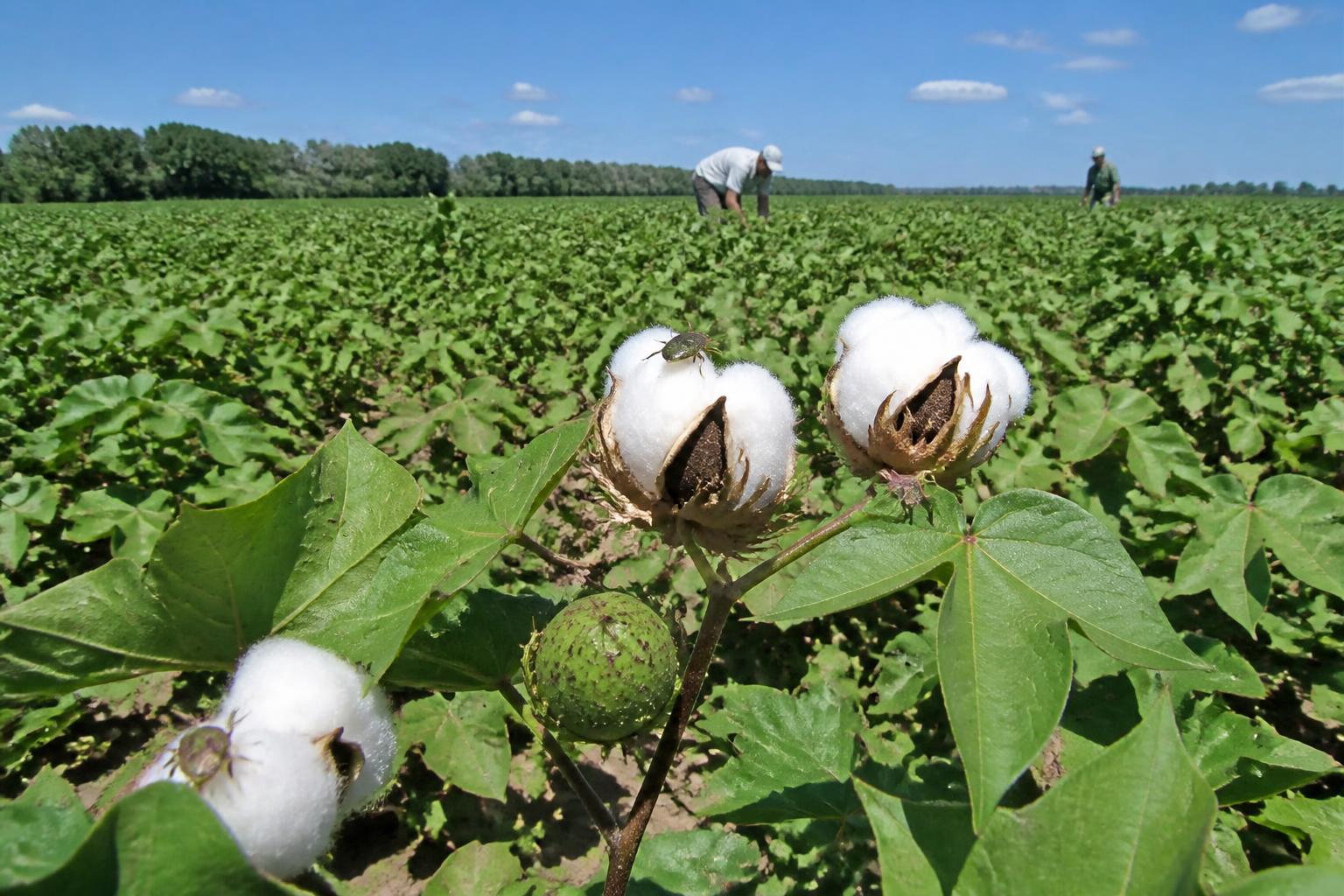
As Alabama row crop producers push through the heat of mid-summer, the focus remains sharply divided between immediate field-level management and the mounting financial pressures facing the sector. With crop development progressing, staying ahead of pest cycles is critical to protecting yield potential before the season reaches its final stages.
Effective scouting is the primary defense against seasonal threats. For cotton producers, identifying insects early is essential, as specific pests often emerge in a predictable sequence throughout the summer. Keeping a close watch on these developments is vital for summer crop management and risk mitigation, particularly as high-pressure periods can rapidly degrade stand quality if left unmonitored.
Economic Realities and Regional Resilience
Beyond the field, Alabama's agricultural community continues to grapple with broader macroeconomic headwinds. Many growers report feeling significant financial strain, with some describing the current environment as a survival period. Navigating these uncertainties often requires careful planning and engagement with resources such as crop protection updates that address both biological risks and the financial realities of modern farming.
Looking Toward Policy and Future Credits
As the industry assesses its long-term viability, producers are keeping an eye on evolving federal frameworks, including discussions around the Clean Fuel Production Tax Credit (45Z). While these policies are still being analyzed for their local impact, they represent a potential shift in how market participants might look at future incentives for fuel and production inputs. Local educators and the Alabama Extension continue to host field days to ensure growers remain informed on both technical agronomy and the regulatory landscape.
For those managing input costs or evaluating seasonal health, staying connected to local research is key. For more background on navigating these variables, see our insights on advancing soil health and productivity across the state.
What it means for the market
The convergence of aggressive mid-season pest management and economic caution suggests that Alabama producers are prioritizing efficiency and cost-control measures. For suppliers and grain handlers, this may signal a shift toward localized, high-value input demand, as farmers seek to maximize every acre while keeping operating budgets as lean as possible during the peak of the growing season.
Comments
No comments yet - be the first to share your take.