
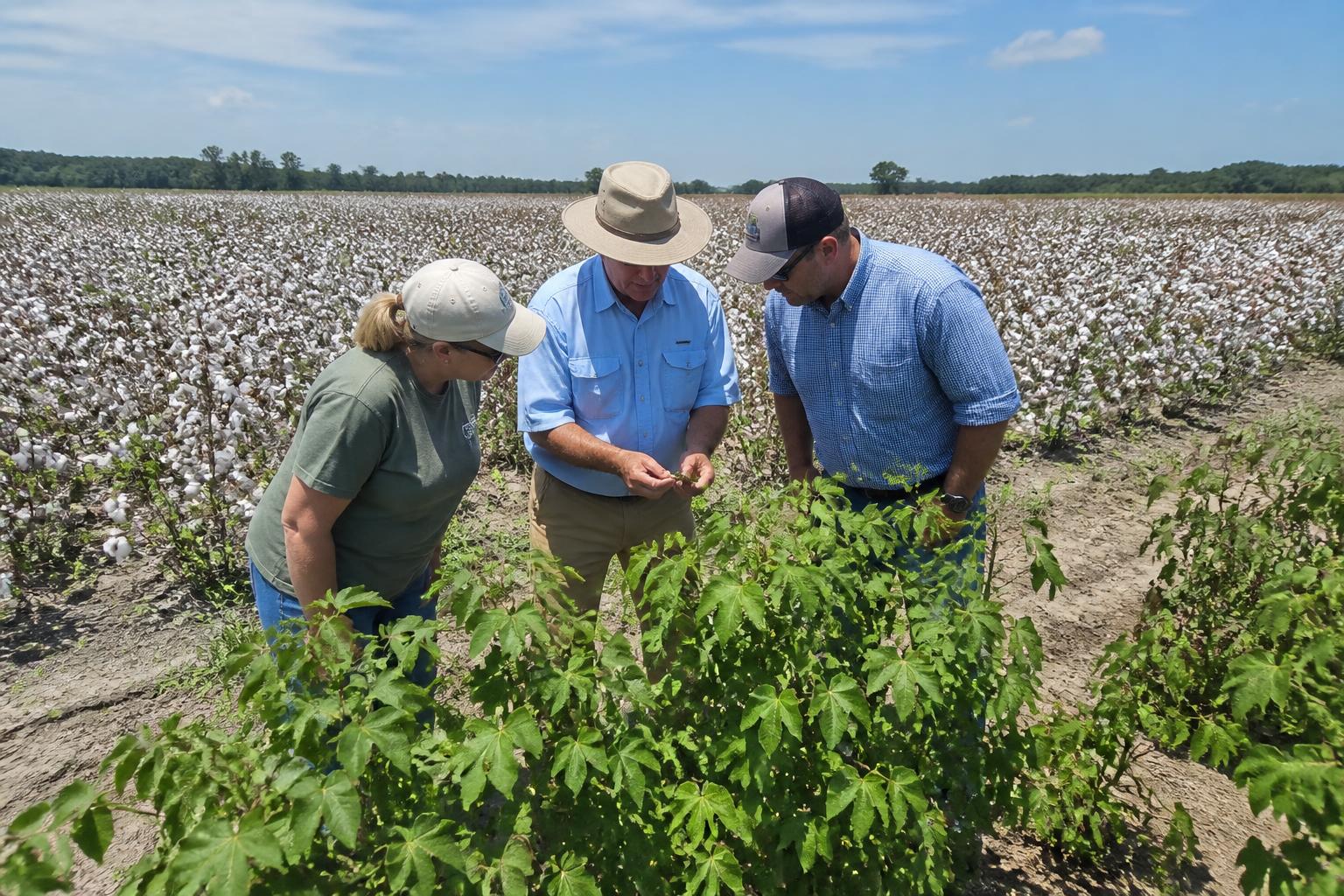
Alabama's agricultural sector is currently facing a period of transition as mid-summer conditions influence ongoing field operations. Producers across the state are balancing typical seasonal maintenance with an increasingly complex economic environment. While the rhythms of the field remain central to the success of regional growers, shifting policy discussions in Montgomery regarding land use and industry protection are beginning to color the outlook for the remainder of the year.
For those managing large-scale operations, the intersection of infrastructure development and land availability remains a critical concern. As competition for rural acreage intensifies, understanding the long-term productivity potential of your soil is more important than ever. Strategic planning for land use is becoming as vital as traditional crop rotation and pest management protocols, particularly as some counties see increased pressure from non-agricultural development.
Navigating Market Shifts and Policy Changes
The regulatory environment is also evolving, with recent legislative actions reflecting a broader focus on protecting traditional agricultural interests. Market participants are keeping a close watch on how these policies might impact supply chains, especially for farmers balancing the risks associated with mid-season crop protection and financial management. As agribusinesses adjust their strategies, the ability to pivot in response to shifting state and national trade sentiments will be a key differentiator for successful operations this season.
Infrastructure and Future Outlook
Logistics and infrastructure continue to be the backbone of Alabama's competitive edge. Whether moving inputs early in the season or preparing for the eventual harvest, the reliability of transit routes throughout the state remains a point of emphasis for commodity handlers. Keeping informed on how state-level infrastructure projects align with agricultural needs can help mitigate delays before they manifest in the bottom line.
What it means for the market: Producers and agribusinesses should prioritize flexibility in their procurement and logistical planning. With ongoing debates regarding both industry trade policies and local land competition, maintaining diversified partnerships and staying ahead of regional policy shifts will be essential to maintaining a steady profit margin as we approach the final stages of the summer growing season.
Comments
No comments yet - be the first to share your take.