
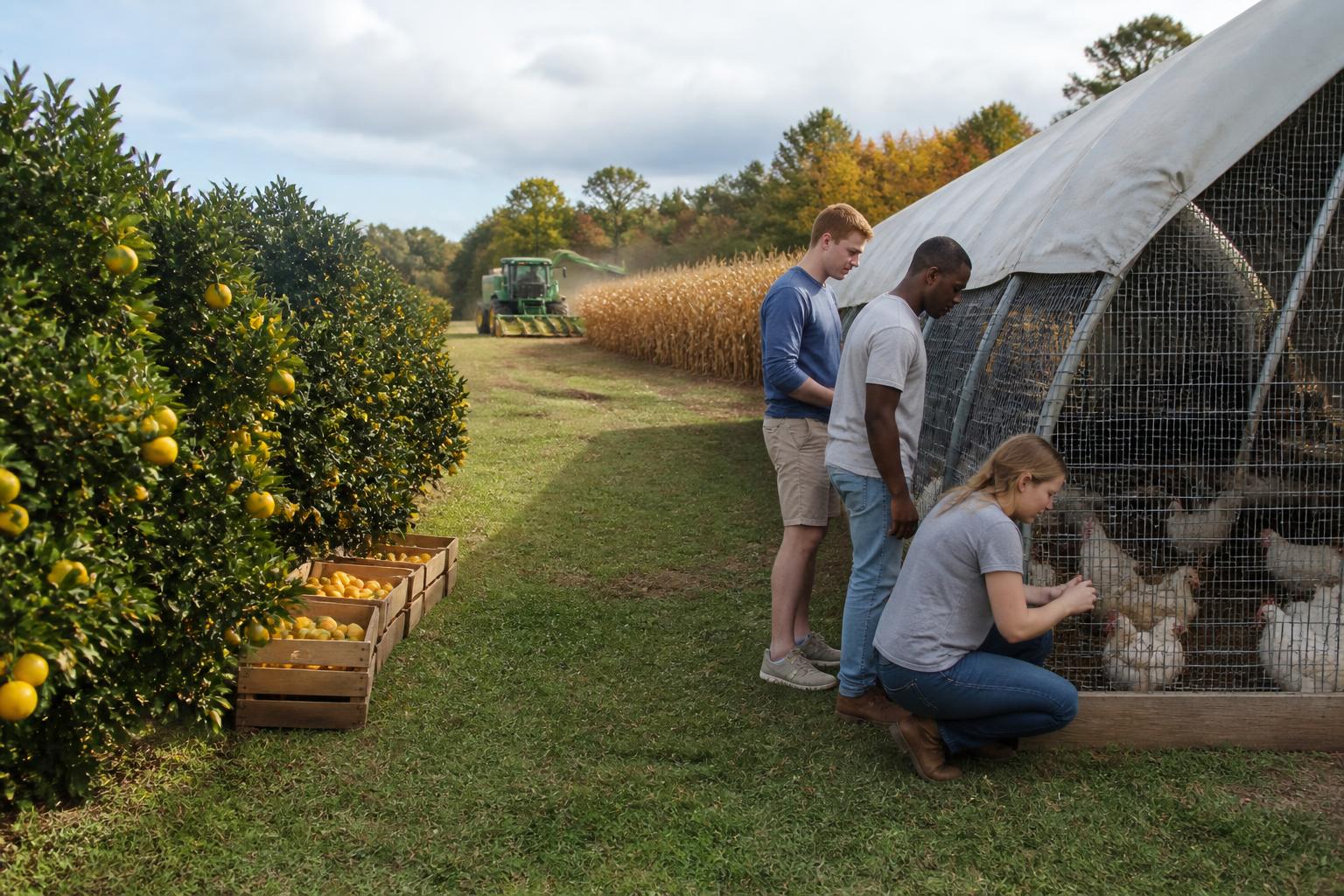
With the fall harvest season underway in Georgia, producers are balancing the need for efficient field management with the ongoing challenges of protecting crops from late-season threats. Recent observations across the state highlight the importance of timely intervention and precise application strategies to address pest pressures that can linger as temperatures fluctuate.
For growers managing peanut and corn acreage, early planning and diligent scouting continue to serve as the first line of defense. Proper application timing and coverage remain critical factors, as inconsistencies in these areas often contribute to less-than-optimal results when combating weed or disease outbreaks. Maintaining clean equipment and utilizing well-calibrated technology can help ensure that protection efforts are as effective as possible during these final, high-stakes weeks of production.
Adapting to Evolving Field Challenges
Beyond traditional weed and disease management, Georgia producers are contending with a broader range of environmental and invasive factors. Recent reports of tar spot and other regional threats necessitate a proactive approach to scouting. Producers are encouraged to monitor field conditions closely, as the balance between operational efficiency and crop health is vital for protecting the economic security of family farms across the state.
Operational Readiness and Industry Outlook
As the sector moves toward the close of the year, there is a clear emphasis on infrastructure and resource management. From the upkeep of cleaning screens to managing the logistics of input supplies, keeping operations agile is essential. While the regulatory and economic environment for agriculture is shifting at the federal level, the immediate priority for many Georgia agribusinesses remains local: ensuring that the harvest is brought in with minimal losses and that the next planning cycle is positioned for success.
What it means for the market
For grain handlers and local input suppliers, the focus remains on supporting producers through a demanding fall season. Precision in chemical application and a commitment to robust pest management strategies are not just about protecting individual fields, but are essential components in maintaining Georgia's competitive edge in the global agricultural market. As we look ahead, the integration of new technology and sustained vigilance against emerging pests will be key drivers of profitability.
Comments
No comments yet - be the first to share your take.