
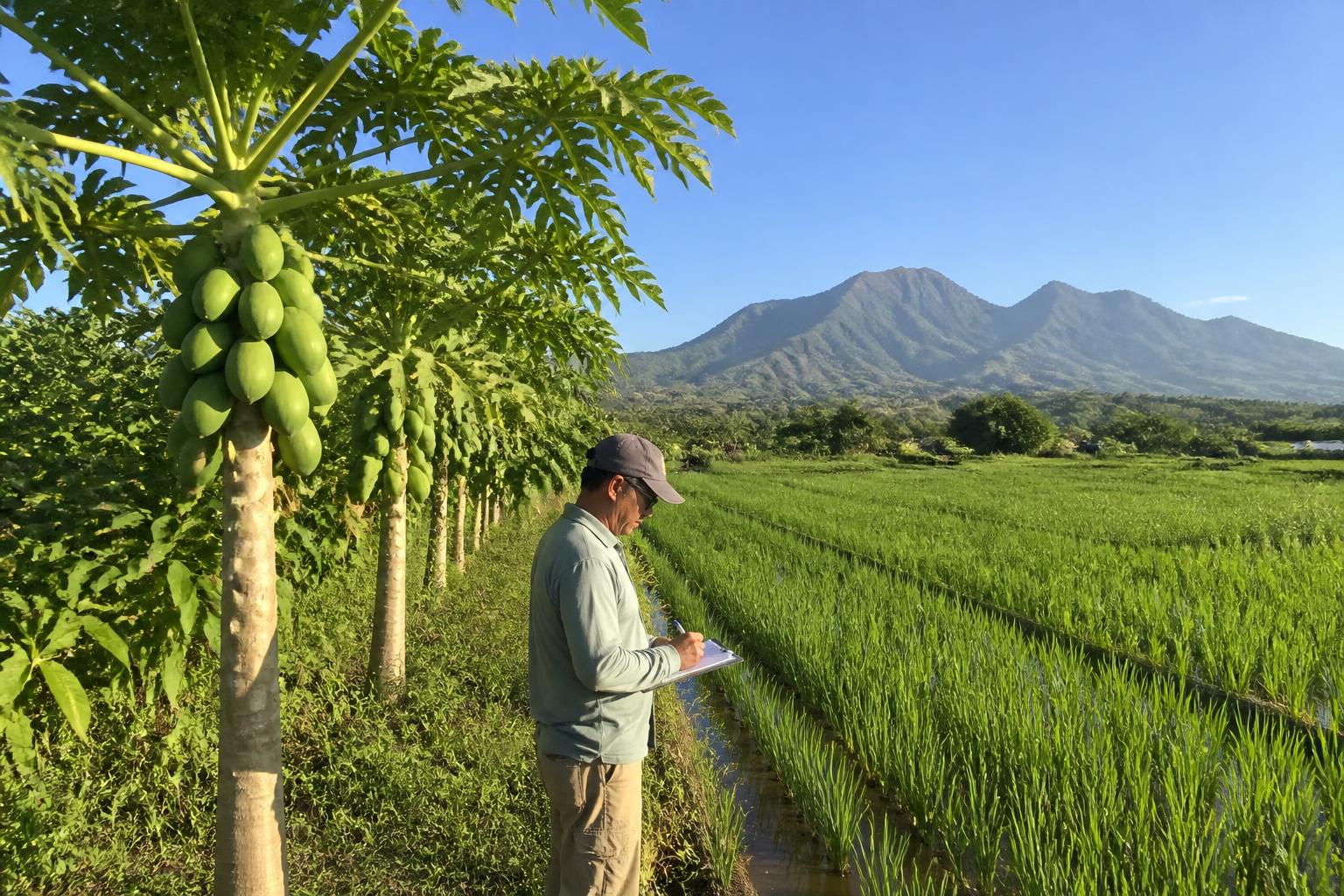
Hawaii's agricultural producers continue to face a shifting environment as legal and regulatory frameworks surrounding crop technology and biosecurity evolve. With ongoing debates over local ordinances affecting GMO cultivation and the management of sensitive crops, farmers across the islands are increasingly focused on balancing market demands with changing operational requirements. Understanding these legal nuances is essential for navigating changing regulations and crop protection in Hawaii to ensure that current farming practices remain both compliant and productive.
The Evolving Landscape of Crop Protection
Legal challenges to county-level bans on GMOs have introduced a level of complexity for growers who rely on specific crop technologies to combat pests and diseases. For those in the papaya industry and other sectors where disease pressure is high, the ability to utilize advanced agricultural tools often dictates the feasibility of their operations. Producers are keeping a close watch on how these judicial decisions might influence land use and seed sourcing as they plan for future growing seasons.
Diversification and Production Potential
Beyond existing crop concerns, interest is rising in the potential for diversifying local production. Recent studies exploring the feasibility of reviving historical crop sectors, such as rice, highlight a broader industry push to reduce reliance on external supply chains. While such initiatives are in early stages, they signal a growing appetite for identifying crops that can thrive within Hawaii's unique microclimates and potentially provide new revenue streams for local growers.
Key Takeaways
- Regulatory developments continue to impact operational planning for farms utilizing biotechnology.
- Industry interest is shifting toward localized diversification to improve long-term resilience.
- Staying informed on legal precedents remains a critical component of risk management for island agribusinesses.
What it means for the market: The current climate suggests that producers must remain agile, as regulatory outcomes directly impact the tools available for crop protection. As the industry looks toward future production strategies, success will likely depend on integrating sound legal and scientific insights to maintain field productivity while addressing the broader goals of agricultural sustainability in Hawaii.
Comments
No comments yet - be the first to share your take.