
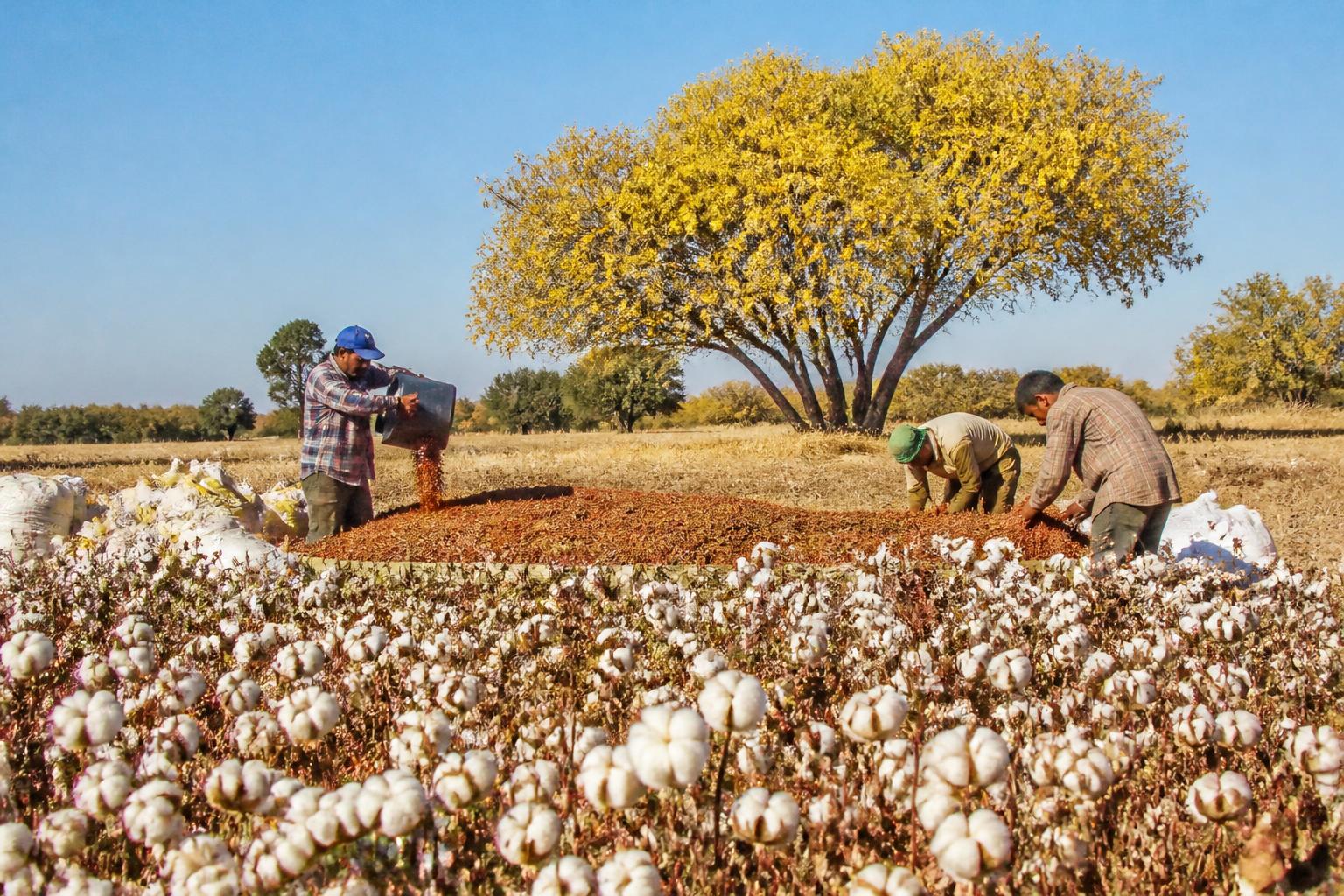
As the fall season progresses in Utah, agricultural operations are shifting their focus toward long-term soil health and resource management. Producers across the state, from the northern valleys to the southern high deserts, are continuing to evaluate how traditional farming practices can adapt to variable moisture levels and heat-stress conditions. Maintaining the viability of acreage in an era of tightening water availability remains a top priority for regional agribusinesses and family farms alike.
The Growing Role of Soil Regeneration
Investment in soil health has moved to the forefront of local agricultural innovation. Efforts to revitalize land through organic matter management and specialized soil amendments are gaining traction. By focusing on improving the physical and biological structure of the soil, many operations hope to enhance water retention, a critical factor for producers managing limited irrigation allotments. Modernization and land preservation initiatives are helping some growers integrate these soil-building techniques with precision technology, ensuring that water-scarce regions can sustain productive output despite environmental hurdles.
Adapting to Environmental Stress
The selection of resilient crops has become a central part of the current agricultural narrative. As heat and drought cycles continue to influence planting decisions, there is renewed interest in alternative grains and high-heat varieties that demonstrate superior tolerance compared to traditional commodity crops. This shift is not just about survival; it is about finding a sustainable balance in the regional ecosystem while keeping operations profitable. Agronomic research, often led by state institutions, continues to provide farmers with the data necessary to make these transitions effective.
What it means for the market
For grain handlers, input providers, and local logistics partners, this trend suggests a slow but steady pivot in product demand. Increased interest in drought-tolerant seed varieties and regenerative soil inputs will likely alter procurement schedules and inventory management in the coming seasons. As producers look to maximize the return on every drop of water used, the demand for precision application technology and high-efficiency fertilizers may see a corresponding rise, signaling a shift toward more measured and sustainable resource application across Utah agricultural corridors.
Comments
No comments yet - be the first to share your take.