
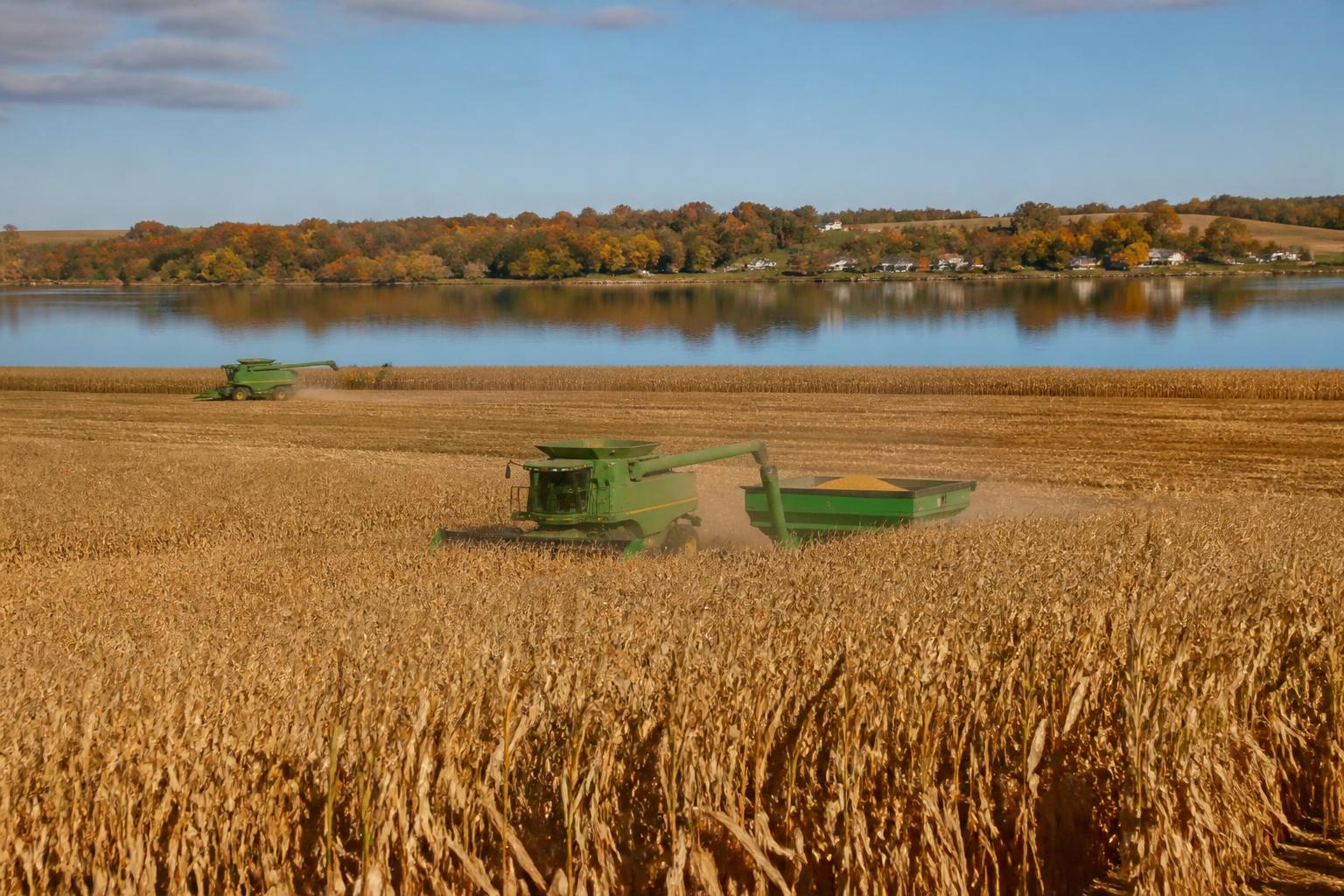
Minnesota producers are navigating a critical window in the fall harvest season as field activity continues to ramp up across the state. With a significant portion of the corn and soybean crop now out of the fields, farmers are evaluating both final yield outcomes and their immediate logistics requirements. Recent reports suggest that late-season moisture in some parts of the state has helped support crop performance, often leading to yield expectations that meet or exceed earlier season projections.
Managing On-Farm Storage and Market Flow
As the pace of the harvest quickens, elevators and logistics hubs are monitoring the influx of incoming grain closely. Efficient management of harvest flow remains a top priority for producers looking to secure space. For those currently balancing bin capacity, the decision to move grain directly to the elevator versus holding for potential price improvements requires constant assessment of local basis levels and regional transport availability.
Input Strategy and Long-Term Protection
While the focus is squarely on the combine, producers are also looking ahead to next season's crop health. As operations scale and technology continues to evolve, staying informed on emerging threats, such as invasive species or weed management updates from the Minnesota Department of Agriculture, remains essential for protecting long-term yields. Incorporating sustainable practices not only supports soil health but can also open doors to various conservation assistance programs available to regional growers.
What it means for the market
The convergence of strong harvest activity and varying storage availability creates a dynamic environment for Minnesota growers. Producers who can effectively time their grain sales with available storage and transport capacity are finding more stability in their marketing efforts. Maintaining flexibility in these final weeks of the harvest will be key to managing the transition from field production to end-of-year financial planning.
Comments
No comments yet - be the first to share your take.