
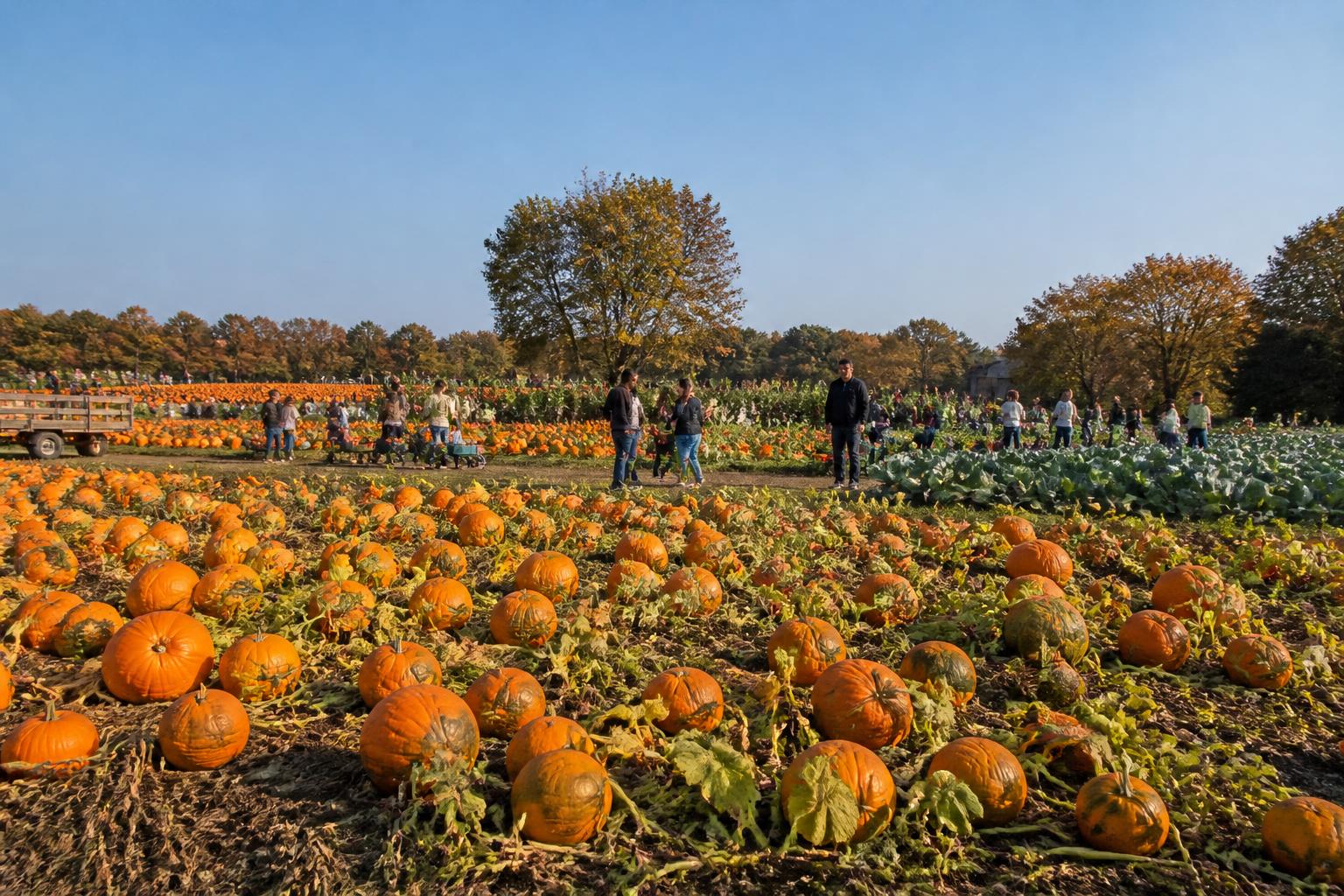
As the fall harvest progresses across New Jersey, the focus for many local growers is shifting from final collection to essential field preparation. Ensuring the longevity of the state’s agricultural productivity requires a dual approach: maintaining robust soil health and staying ahead of invasive species that can compromise yield potential. For producers in the Garden State, these late-season efforts are critical for mitigating risks during the winter dormancy period.
Prioritizing Soil Integrity
Building healthier soil is a fundamental pillar for farms looking to enhance their resilience. Many growers are working with local conservation agencies to implement better soil management practices. Techniques that improve organic matter and drainage can be particularly vital for farms facing the variable weather patterns often seen in New Jersey’s coastal and inland regions. By investing in soil structure now, operators may see improved water retention and nutrient availability in the coming spring.
Vigilant Pest and Invasive Species Management
Effective field management also requires an ongoing commitment to monitoring and controlling invasive threats. The spotted lanternfly, for instance, continues to be a persistent challenge for orchards and vineyards throughout the state. Early detection and aggressive management remain the primary defense for agribusinesses working to protect their high-value crops from structural damage and late-season losses.
Logistics and Market Stability
While field-level protection is paramount, the broader supply chain also relies on consistent, safe practices. As seen in recent logistics updates, the ability to move goods efficiently to local markets is highly dependent on healthy, productive farms. Maintaining high standards for food safety and pest control not only protects individual operations but also reinforces the reputation of New Jersey agriculture in regional markets. For those managing late-season transport and supply chain pressures, addressing these biological threats proactively can help avoid disruptions at the loading dock.
What it means for the market
For farmers, handlers, and input suppliers, the current season serves as a critical window to stabilize future output. By integrating soil health initiatives with diligent pest scouting programs, New Jersey agribusinesses can mitigate long-term economic risks. Focusing on these foundational elements now provides a more secure path for the upcoming growing year, ultimately supporting a more resilient local food system.
Comments
No comments yet - be the first to share your take.