
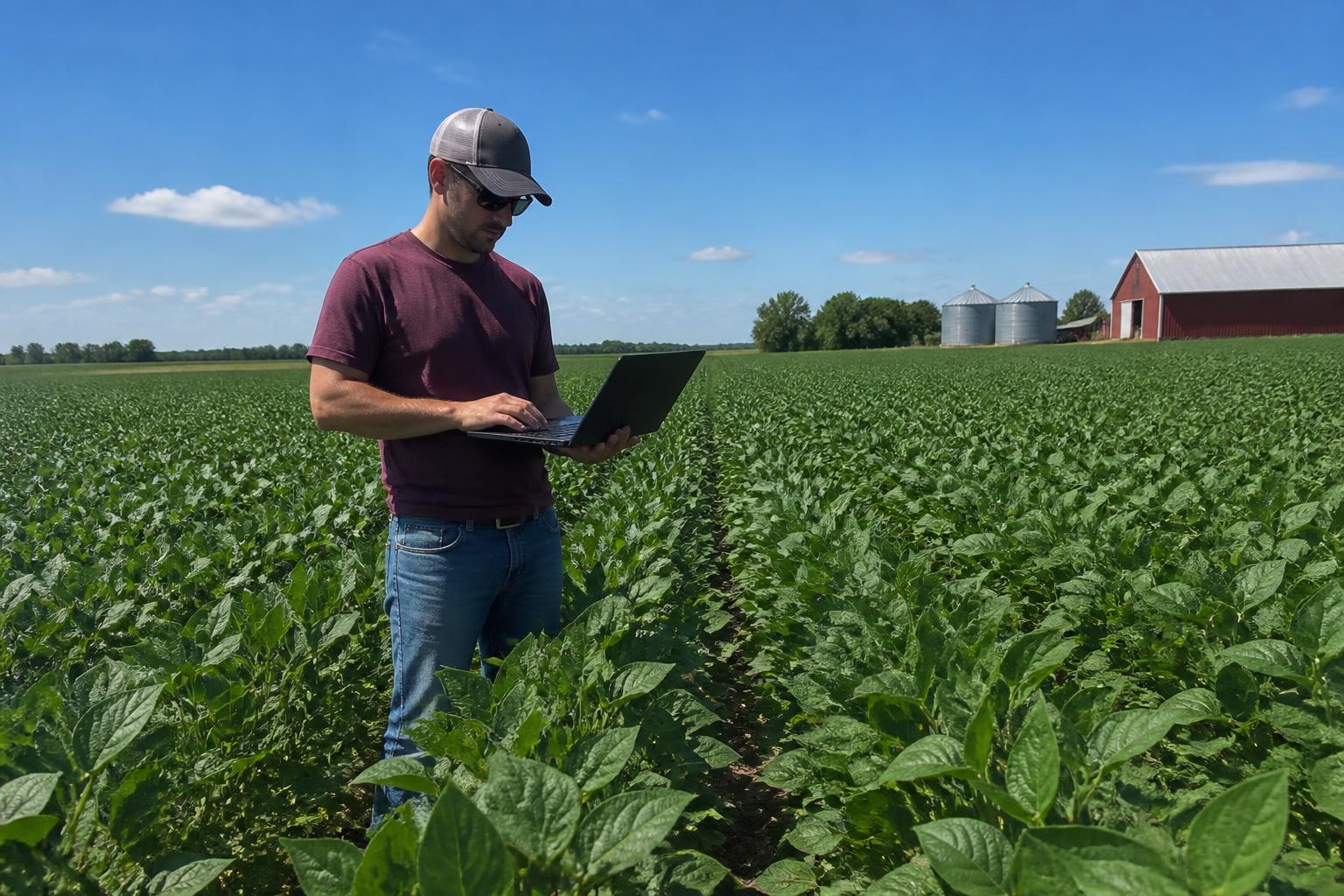
Mid-summer in Missouri brings a critical period for crop protection as producers monitor fields for late-season pressure. With variable weather patterns often complicating management schedules, farmers are increasingly looking toward refined strategies to manage input costs while maintaining compliance. The intersection of changing regulatory oversight on products like dicamba and the necessity of robust risk management has turned local attention toward the details of liability coverage.
For many agribusinesses and operators, the current climate demands a proactive approach to crop protection compliance. Beyond the physical act of application, experts suggest that reviewing insurance policies is a non-negotiable step before field operations. Liability policies often require specific record-keeping that aligns with regional constraints, making it essential for growers to confirm that their coverage is both active and sufficient for the current season's regulatory requirements.
Refining Management Strategies
As growers navigate these challenges, the conversation often shifts to long-term sustainability and operational efficiency. The ongoing discourse regarding herbicide resistance, including discussions around glyphosate, highlights the need for diversified weed management plans. In some regions of Missouri, producers are balancing these biological challenges with the physical reality of volatile summer weather, where wind and rain can significantly shift application windows.
Meanwhile, the broader agricultural sector remains focused on infrastructural improvements, such as the promised expansion of broadband to northern Missouri, which aims to support precision agriculture tools that can improve efficiency in product application. Simultaneously, as legislative sessions conclude, discussions regarding the stewardship of resources, such as water usage, are setting the tone for future operational frameworks.
What it means for the market
The market environment remains sensitive to both regulatory shifts and climate variables. For operators, the lesson of this summer is clear: the integration of legal, insurance, and logistical planning is as vital as the application itself. Ensuring that operations are not only effective but also legally insulated against liabilities is a growing priority that can impact both bottom-line performance and long-term farm resilience as the industry heads toward the later stages of the growing season.
Comments
No comments yet - be the first to share your take.