
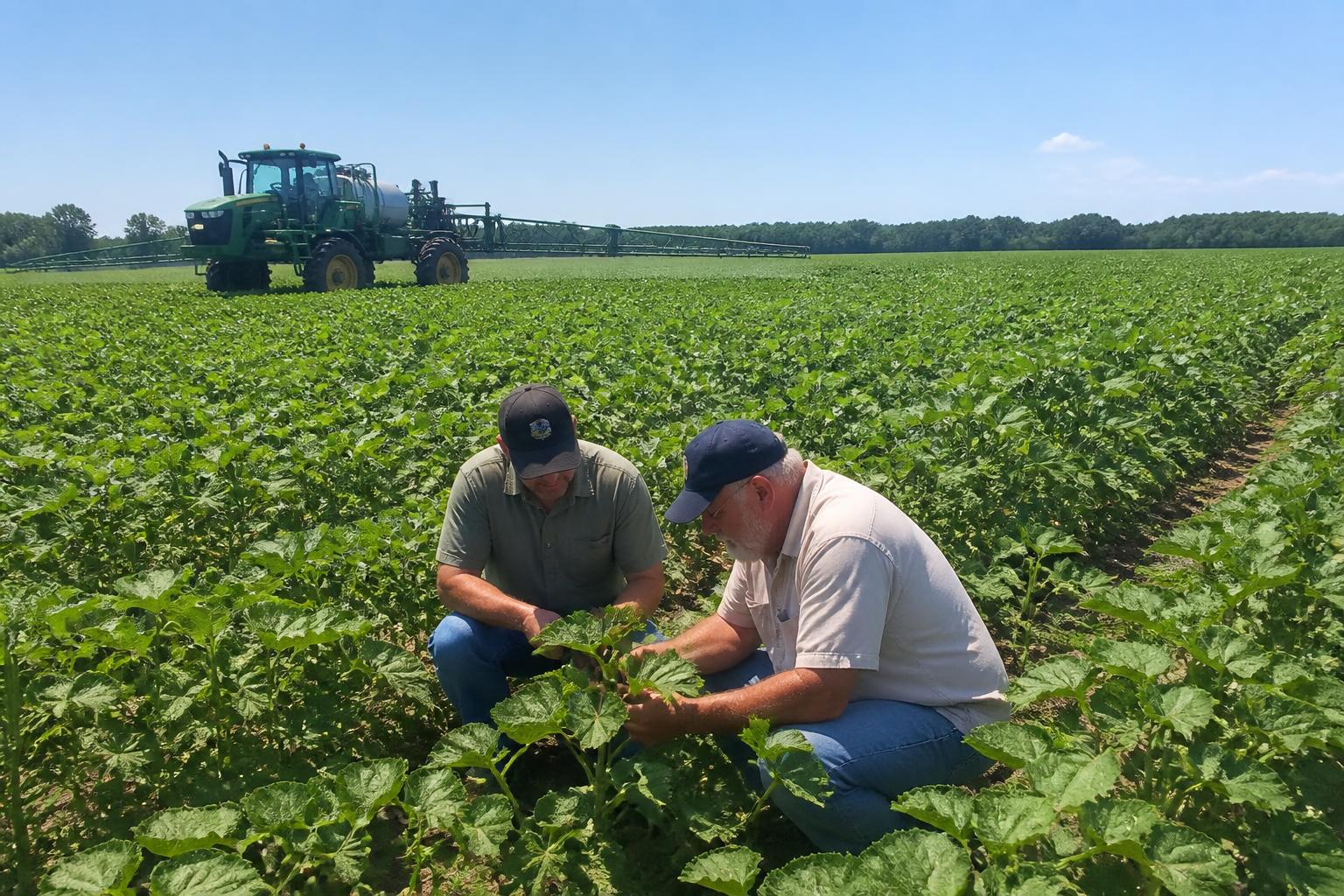
As South Carolina moves deeper into the summer, the state's agricultural sector is balancing active field management with essential logistical planning. With the lifting of the statewide burn ban, operations requiring field sanitation and debris management can resume, allowing for more flexibility in seasonal cleanup and land preparation efforts. However, producers are closely monitoring emerging agronomic threats, including reports of crown rot in peanuts and new soil-borne challenges affecting cucumber yields, which require precise timing for input delivery and rapid crop transport to preserve quality.
For those managing the movement of goods from field to facility, the mid-summer period is typically characterized by localized traffic increases as harvest activities fluctuate across different counties. Maintaining clear communication with local elevators and processing plants is essential, especially as shifting market signals for commodities like cotton continue to influence storage and shipping decisions. In many cases, regional growers are looking for ways to streamline ag-logistics to mitigate the impact of fluctuating supply and demand dynamics on their bottom lines.
Logistical Considerations for Mid-Summer
- Crop Monitoring: Increased scouting for soil-borne pathogens is recommended to avoid sudden, unplanned harvest adjustments that can strain local trucking capacity.
- Input Management: With potential for extreme summer weather, ensuring timely delivery of inputs is vital to avoiding transport bottlenecks.
- Waste Management: Following the transition in burning regulations, growers should ensure their farm-gate logistics remain optimized for the safe removal of agricultural waste.
What it means for the market
For agribusinesses and carriers, the current climate underscores the need for high-level agility. As South Carolina growers navigate a mix of persistent soil health concerns and fluctuating commodity markets, the ability to adapt to last-minute transport needs will be a differentiator. Stakeholders should focus on maintaining strong relationships with regional hubs, anticipating potential delays during peak movement windows, and keeping a close watch on infrastructure updates that may affect rural transport corridors throughout the state.
Comments
No comments yet - be the first to share your take.