
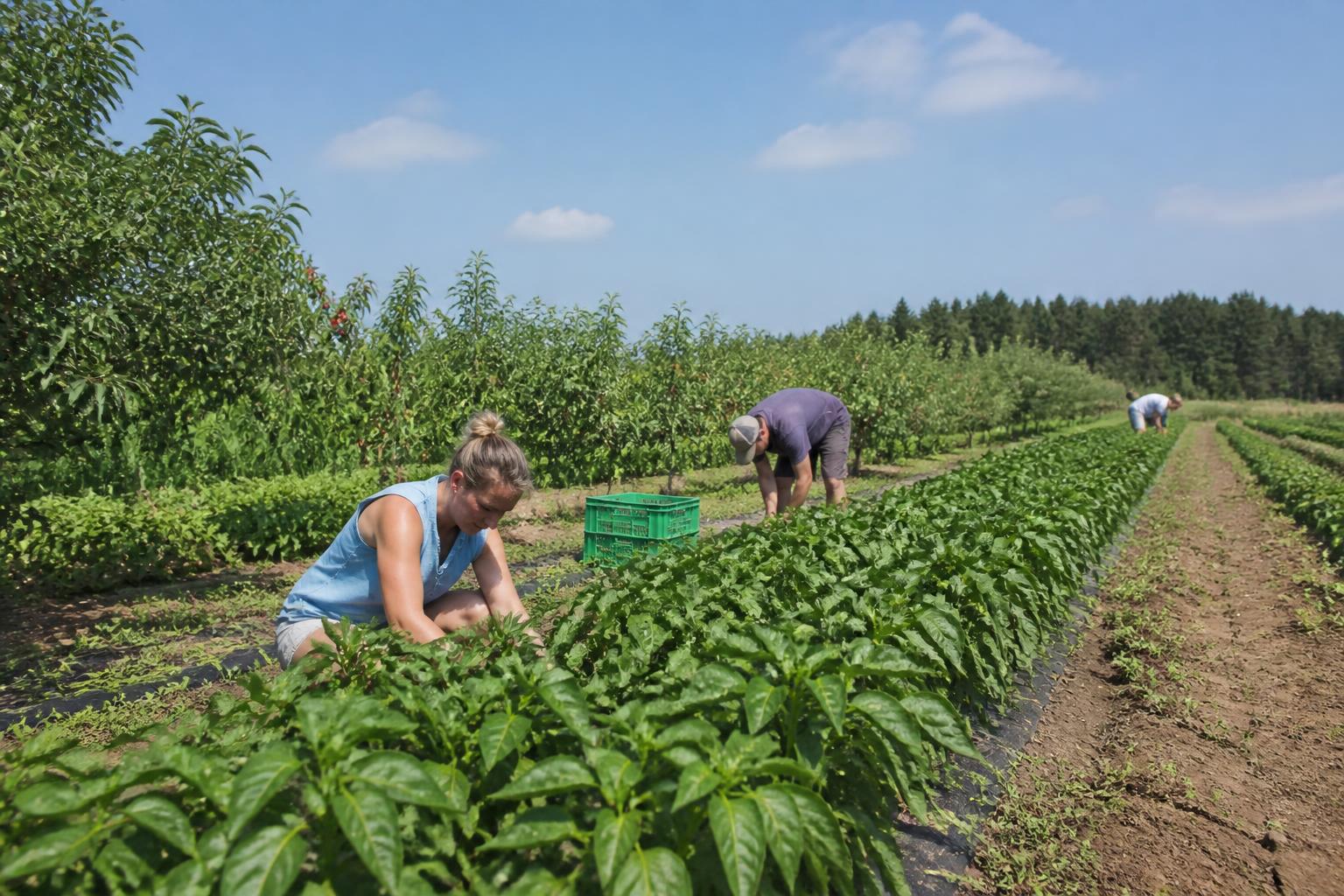
Mid-summer in Michigan marks a high-stakes period for field crop management. With the growing season in full swing, producers across the state are transitioning from initial planting efforts to rigorous monitoring for emerging threats. As conditions evolve, the focus shifts toward protecting the yield potential of corn, soybeans, and specialized regional crops against mounting environmental and biological pressures.
Recent agricultural updates highlight the importance of staying ahead of pathogen risks. Early detection of issues such as tar spot, which has been confirmed in parts of the state, remains a top priority. Timely scouting and the use of available monitoring resources for tar spot and other pathogens can provide the necessary data to inform treatment decisions, helping to shield investments from unexpected losses as the season progresses.
Adapting Management to Seasonal Challenges
The current landscape presents a complex mix of challenges for Michigan farmers. Beyond standard disease pressure, the industry continues to adjust to volatile market signals. When data shows acreage totals exceeding initial expectations, market ripples can quickly alter price forecasts for staples like corn. Managing these variables requires a dual approach: technical field protection and a firm grasp on the broader supply outlook.
Furthermore, regional specialty crops, including cherries, have faced significant headwinds this year due to adverse weather events. The resulting disaster declarations in several counties underscore the vulnerability of high-value commodities to late-season frosts and climate fluctuations. For grain handlers and producers alike, these instances serve as a reminder that robust risk management, including engagement with expanded field protection strategies and pest management, is essential to weathering the current agricultural climate.
Building Long-Term Resilience
Support from state agencies continues to be a factor for many operations looking to innovate. New grant opportunities, particularly those focused on regenerative agriculture and farmland preservation, are providing avenues for producers to invest in soil health and sustainable infrastructure. Aligning these long-term goals with day-to-day field health maintenance can offer a buffer against the immediate volatility often seen in the mid-summer markets.
What it means for the market
For the Michigan agribusiness sector, the coming weeks are defined by reaction and protection. With disease pressure peaking alongside the heat, the demand for crop protection inputs and technical scouting services remains elevated. Producers who prioritize proactive monitoring and leverage local research-based guidance are better positioned to defend their bottom line against the season's inherent risks. As always, keeping a close watch on regional inventory updates and shifting acreage reports will be necessary to navigate the market as we approach the final stretch of the growing season.
Comments
No comments yet - be the first to share your take.