
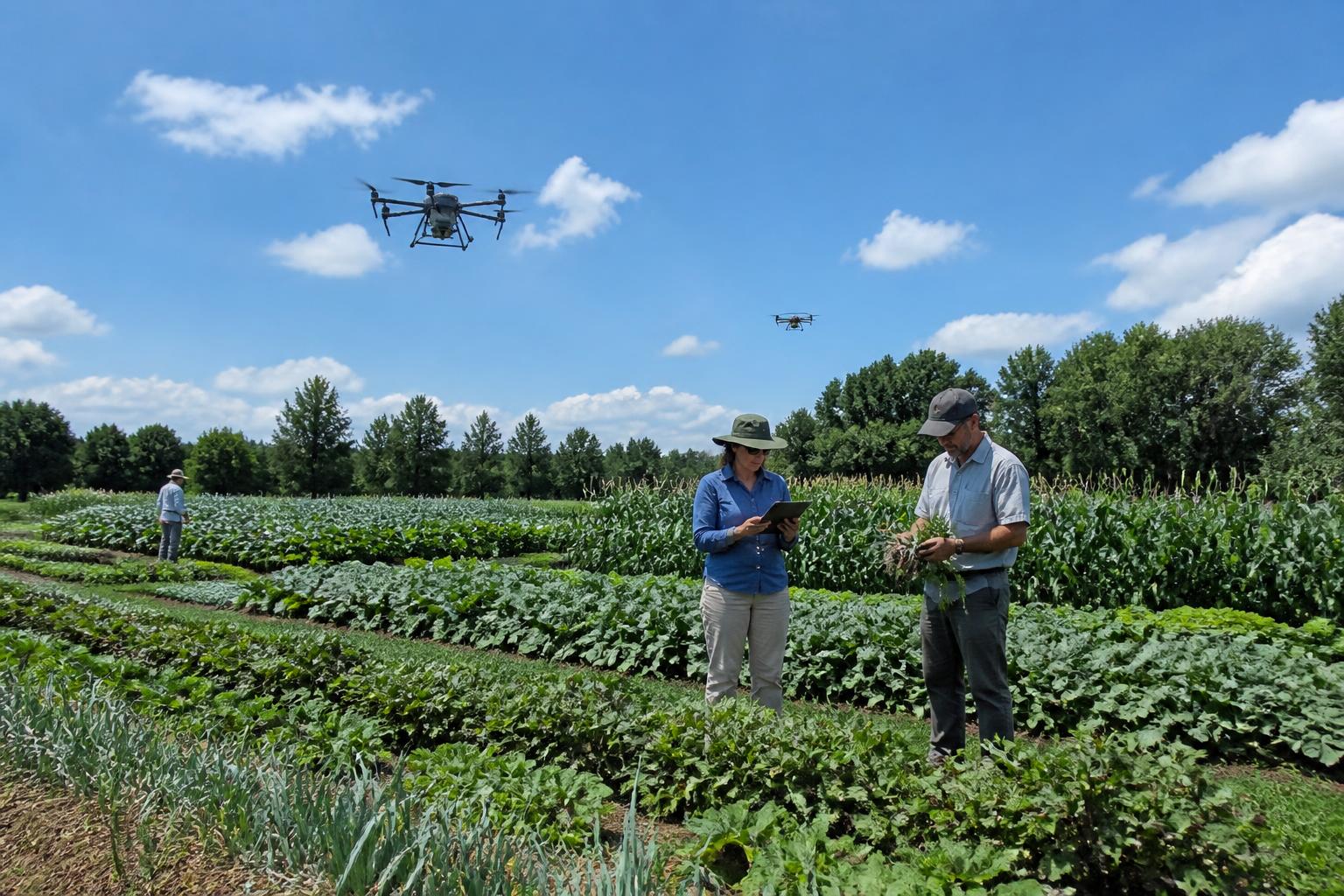
In recent seasons, New Hampshire agriculture has faced a unique intersection of traditional field challenges and the need for high-tech, climate-controlled solutions. With researchers at the University of New Hampshire receiving federal support for innovative protected agriculture projects, local producers are gaining access to data that may help refine the year-round viability of controlled-environment systems. These initiatives are increasingly vital as producers look for ways to buffer their operations against unpredictable weather.
The Shift Toward Automated Precision
Technology continues to reshape the Granite State's growing landscape. From facilities in regions like Loudon to academic research trials, there is a visible move toward automated growing systems. These technologies can help manage environmental inputs more efficiently, potentially reducing the resource strain that often accompanies traditional outdoor farming. By controlling lighting, irrigation, and climate from within, growers are exploring new ways to meet local demand while minimizing the risks associated with outside pest pressure and fluctuating moisture levels.
Building Resilience Through Infrastructure
For many family farms and commercial operations, long-term stability is closely tied to land use and conservation. With the state's current use law having hit a 50-year milestone, many producers are evaluating how these tax-incentive programs interact with their modernization plans. Furthermore, interest in crop diversification and regenerative practices is gaining traction as a strategy for long-term soil health, even as new research into regional soil quality remains a priority for academic and private institutions alike.
Management and Market Stability
Effective resource management remains a central theme for the season. As farmers weigh the costs of new automation against traditional methods, local partnerships and federal support are playing an expanding role in research accessibility. For operations looking to stay competitive, balancing these technological investments with established seasonal support programs is becoming an essential part of the annual business cycle. Whether through high-tunnel infrastructure or more intensive greenhouse robotics, the focus for many is squarely on maximizing yield predictability.
What it means for the market
Producers should monitor how upcoming regulatory shifts, such as advancements in right-to-repair legislation, may impact the maintenance and operation of specialized ag-tech equipment. As more local grain and produce markets adapt to these high-tech production capabilities, farmers who lean into data-driven decision-making may find improved resilience against the climate-driven volatility that has historically challenged New England's agricultural productivity.
Comments
No comments yet - be the first to share your take.