
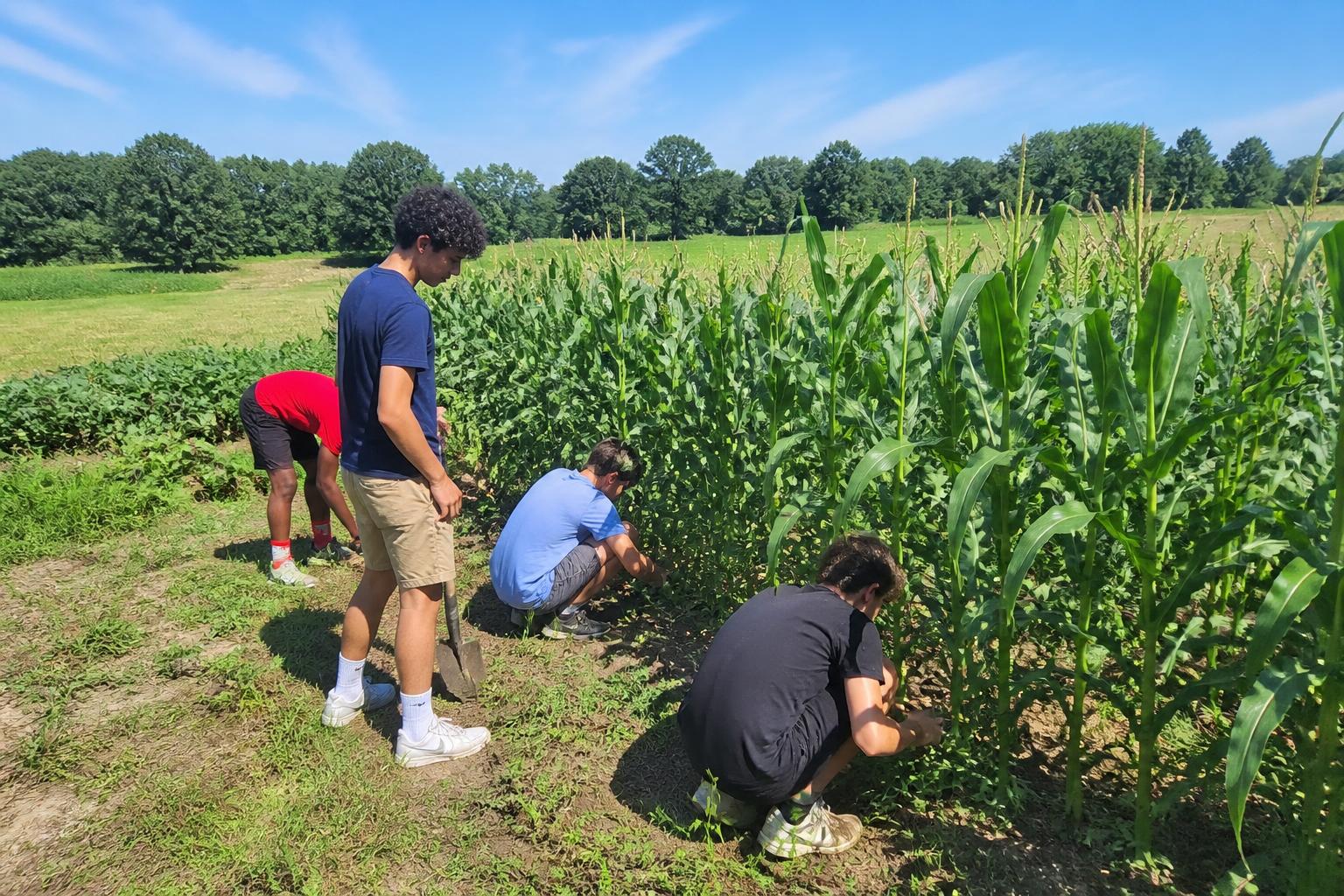
As we navigate the peak of summer, Rhode Island's agricultural sector remains focused on balancing immediate crop maintenance with a broader push toward sustainable infrastructure. From the productive fields in Portsmouth to local initiatives across our rural corridors, producers are finding that success in the current climate requires a blend of traditional expertise and modern resource management.
While global supply chains for essential inputs remain volatile, local agribusinesses are increasingly exploring alternatives, including organic-based solutions like blood meal, which is seeing sustained demand as part of broader shifts toward specialized fertility programs. Understanding these market-driven supply risks is essential for farmers currently finalizing their mid-season nutritional applications.
Innovation and Resource Stewardship
Sustainability is moving from a buzzword to a fundamental operational strategy. Recent federal conservation grants continue to support projects that emphasize land longevity and efficiency, particularly for operations aiming to mitigate the impact of changing weather patterns on crop yields. By investing in technology-driven conservation, local growers are better positioned to protect their soil health while maintaining the output required for our regional markets.
Looking Ahead: Managing Operational Stability
The intersection of federal policy and local implementation is where many producers are finding the most traction. As administrators assess the role of climate-smart farming, local growers are encouraged to look closely at their own risk profiles. Whether managing the logistics of peak-season supply chains or evaluating the long-term ROI of new soil amendments, the goal remains the same: ensuring that Rhode Island's diverse specialty crop operations remain resilient against both environmental and economic headwinds.
What it means for the market
For Rhode Island farmers and input buyers, this period is critical for tightening operational oversight. Anticipate that input costs will remain sensitive to broader industry fluctuations. Focusing on localized, sustainable fertility strategies and maintaining clear communication with regional logistics partners will be the best defense against unforeseen market disruptions as we approach the final stretch of the summer growing season.
Comments
No comments yet - be the first to share your take.