
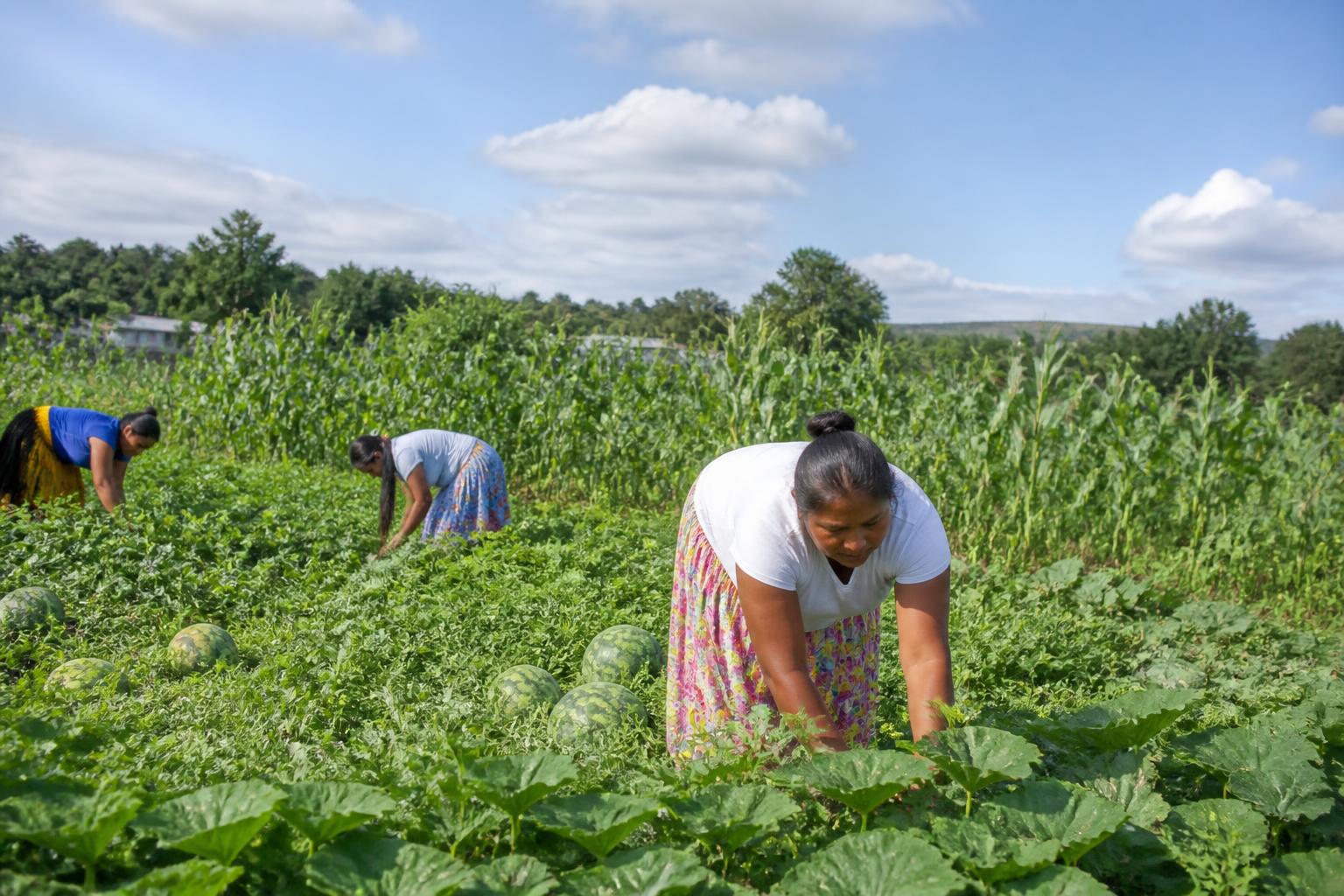
Mid-summer in Rhode Island brings both opportunities and persistent challenges for specialty crop producers. As temperatures rise across the Ocean State, managing crop health requires a proactive approach to mitigate the impacts of extreme heat and shifting pest pressures. Local growers are increasingly focused on refining their summer protection strategies to ensure that high-value harvests remain protected against environmental volatility.
For many farm operations in counties across the state, current moisture levels and temperature spikes dictate the effectiveness of protective treatments. While logistics and supply chain stability remain critical, the immediate priority for many is ensuring that crop protection efforts align with the specific growth stages of mid-summer vegetables and orchard fruits. Efficient scouting and timely intervention can often be the difference between a successful season and significant loss.
Adapting to Environmental Stressors
Inconsistent precipitation patterns and periods of extreme heat can leave crops vulnerable. Producers are often utilizing integrated pest management tactics to minimize stress during these taxing weeks. By adjusting irrigation schedules and applying protective sprays during cooler parts of the day, farmers can often maintain the integrity of their crops despite the unfavorable climate conditions.
Infrastructure and Resource Management
As the season progresses, the focus often shifts toward the preservation of harvested goods. Reliable cold storage and resource-efficient farming techniques are essential for those managing perishable inventory. Ensuring that input storage—such as fertilizers and crop protection supplies—remains cool and dry is a vital logistical step that helps prevent degradation of these inputs during high-heat events.
What it means for the market: The regional emphasis on climate resilience suggests that growers who prioritize adaptive protection and storage infrastructure will likely be better positioned to navigate the remainder of the summer. Maintaining consistent quality through these measures is essential for ensuring that Rhode Island produce remains competitive in both local and regional supply chains.
Comments
No comments yet - be the first to share your take.