
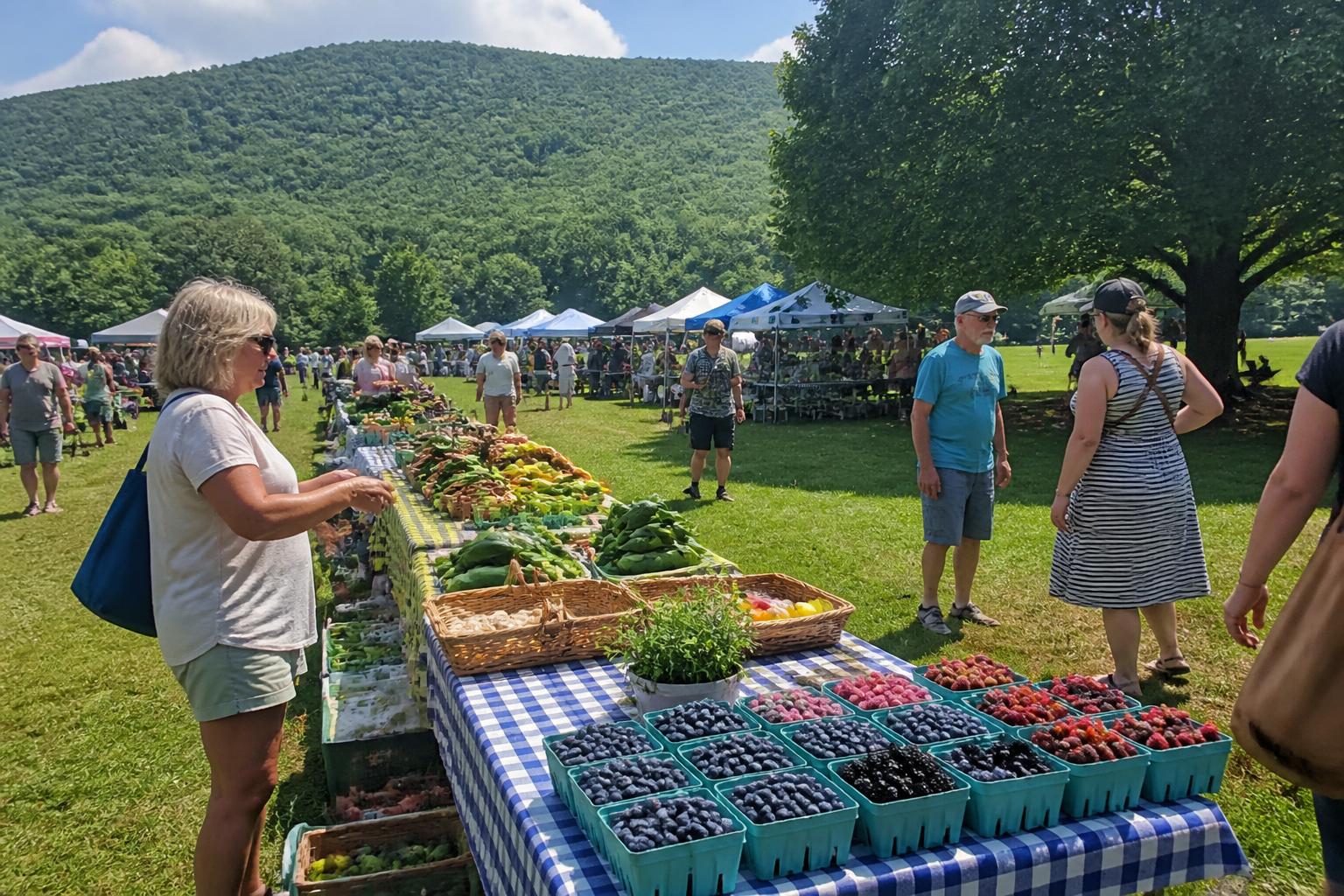
As Maine agriculture moves through the peak of the summer season, growers and market participants are navigating a complex landscape defined by shifting climate patterns and evolving operational standards. From the berry fields of southern Maine, where producers are contending with new pest pressures like invasive fruit flies, to the diverse grain sectors statewide, the emphasis remains on operational agility and resource management.
For grain handlers and farm operations, current market conditions demand heightened attention to logistical efficiency. Whether addressing evolving seasonal challenges for grain producers or managing the nuances of local demand, maintaining stable supply chains is critical. As producers assess their efficiency in summer market operations, many are looking toward optimized storage and distribution to minimize waste and maximize market access.
Navigating Regulatory and Environmental Shifts
The agricultural community in Maine continues to adapt to broader regulatory and environmental changes that influence everything from soil health to market access. The ongoing discussion around land management, particularly concerning concerns like PFAS, highlights the necessity for producers to remain informed about federal guidance and support opportunities. Furthermore, as some farms re-evaluate their market participation due to shifting federal rules—such as those impacting specialty crops like hemp—the importance of community-supported models and direct-to-consumer outlets remains a staple of the state’s agricultural identity.
Strategic Resource Management
Beyond crop protection and regulation, growers are finding that technical education and peer-to-peer knowledge sharing are becoming essential tools for success. As highlighted in recent initiatives by agricultural grantees, managing soil and nutrient health effectively is often the difference between a high-yield harvest and mounting seasonal losses. With the summer sun providing the necessary conditions for peak growth, producers who integrate technology with traditional stewardship often find themselves better positioned to meet the demands of both local markets and state-wide wholesale channels.
What it means for the market
For grain handlers, input buyers, and logistics providers, the remainder of the summer months in Maine will likely require proactive communication. Anticipating potential bottlenecks in regional transport corridors and staying ahead of pest management needs will be vital for those looking to maintain profitability. As local markets continue to coalesce around fresh food access and diversified crop production, firms that offer reliable, scalable services to Maine's evolving farm landscape will likely see the most stability in the coming months.
Comments
No comments yet - be the first to share your take.