
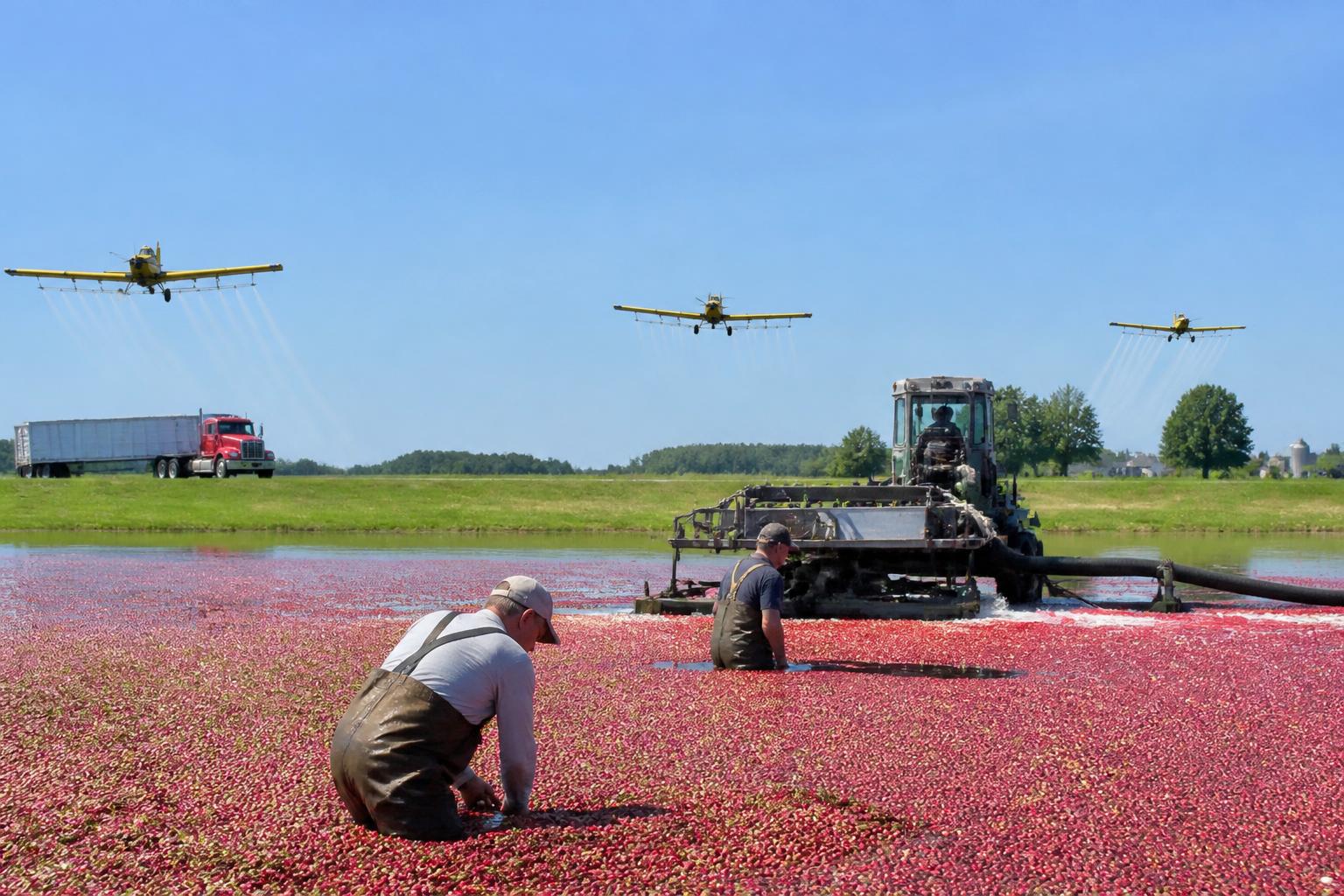
Mid-summer in Minnesota presents a critical window for agricultural producers as they navigate the complexities of late-season crop protection. With the summer heat intensifying, field management strategies are shifting to address persistent disease pressures and ensure optimal input efficiency. For many growers across the state, particularly in southern regions where agronomic activity remains high, the integration of new technology is proving essential to maintaining yield potential.
Aerial application remains a cornerstone of the Minnesota crop protection landscape. Specialized aviation services have ramped up their operations, utilizing modern guidance systems and high-precision equipment to improve coverage. This shift toward advanced technology is not limited to piloted aircraft; as the industry evolves, both farmers and custom applicators are increasingly evaluating how digital mapping and drone-assisted scouting can refine their approach to chemical application.
Refining Application Protocols
Beyond the hardware, the focus for many Minnesota operators is on environmental stewardship and precise timing. Discussions regarding atmospheric conditions, such as temperature inversions, are frequent topics among local cooperatives and independent advisors. Properly identifying these conditions is a priority for ensuring that sprays reach their intended targets while minimizing drift. These operational adjustments are critical components of maintaining successful summer crop protection strategies, especially as regulatory focus on water quality and environmental impact continues to evolve.
Educational Outreach and Future Trends
The next generation of Minnesota agriculture is also actively engaging with these challenges. Recent events, including youth crop scouting competitions, highlight the importance of hands-on experience in identifying early-season pathogens and pest thresholds. By training young producers to recognize field-level stressors early, the industry aims to foster a more proactive approach to chemical usage. As the harvest season approaches, these lessons in scouting and efficient input management will be vital for protecting the season's bottom line.
What it means for the market: Producers should prioritize calibrated application equipment and stay updated on evolving water quality regulations. Leveraging precision tools for targeted spraying can reduce unnecessary waste, ultimately protecting both the crop and the operator's budget as we move through this active summer growth phase.
Comments
No comments yet - be the first to share your take.