
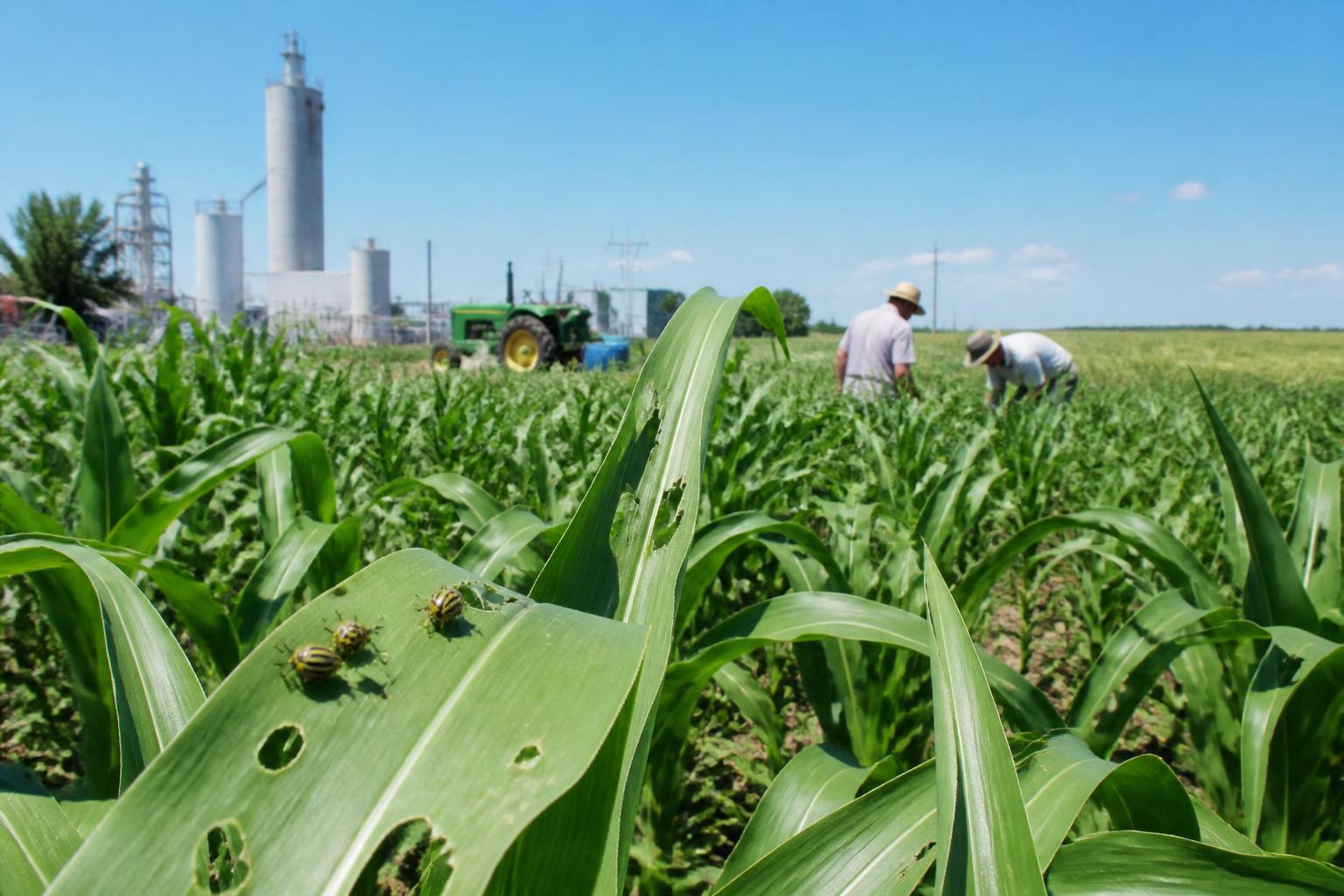
Mid-summer in South Dakota presents a critical window for crop management as fields reach pivotal stages of development. Producers across the state are currently navigating a complex environment where environmental stressors, such as rising heat and unpredictable storm patterns, often coincide with the need for intensified crop protection efforts. As we look at the seasonal progression, maintaining the integrity of corn and soybean stands against pests and moisture-related disease becomes a top priority for regional operations.
For those managing large acreage, effective crop protection strategies during the summer months require precise timing. Beyond chemical applications, local handlers and farm managers are also grappling with broader systemic challenges that affect day-to-day operations. The volatility in labor availability, particularly for dairy and intensive agricultural operations, is forcing many to rethink their staffing models during peak activity windows.
Adapting to Evolving Risk Management
Risk management remains a central theme this season. Producers have noted that changes to insurance options, such as the removal or modification of certain planting coverage selections, have elevated the stakes for operational decisions. With federal policy shifts and ongoing discussions regarding the farm bill, staying informed is essential for mitigating financial exposure. These structural changes are occurring alongside technical challenges, such as monitoring for early season threats like bean leaf beetles or potential late-season pathogens, which can severely impact yield outcomes if left unmanaged.
Operational Logistics and External Factors
Beyond the field, the regional supply chain is adapting to pressures from infrastructure and labor costs. In areas like the eastern corridor or near local grain elevators, logistics can become strained as the industry works to maintain steady throughput. Furthermore, the push for research and development within local institutions continues to highlight the need for data-driven decisions when managing input costs. Whether addressing soil health or optimizing fertilizer applications, the focus remains on resilient practices that can withstand regional climate variables.
For producers looking to streamline operations, it is worth exploring resources that offer guidance on mid-season crop protection and logistics to better align field work with regional infrastructure capacity.
What it means for the market
For South Dakota agribusinesses, the current climate dictates a need for agility. As labor shortages persist and insurance margins tighten, operators who prioritize proactive monitoring and efficient logistics are better positioned to weather the volatility. Strengthening cooperation between regional cooperatives and local growers remains a key strategy for navigating the remainder of the summer, ensuring that protective inputs and harvest-readiness remain a priority despite broader economic headwinds.
Comments
No comments yet - be the first to share your take.