
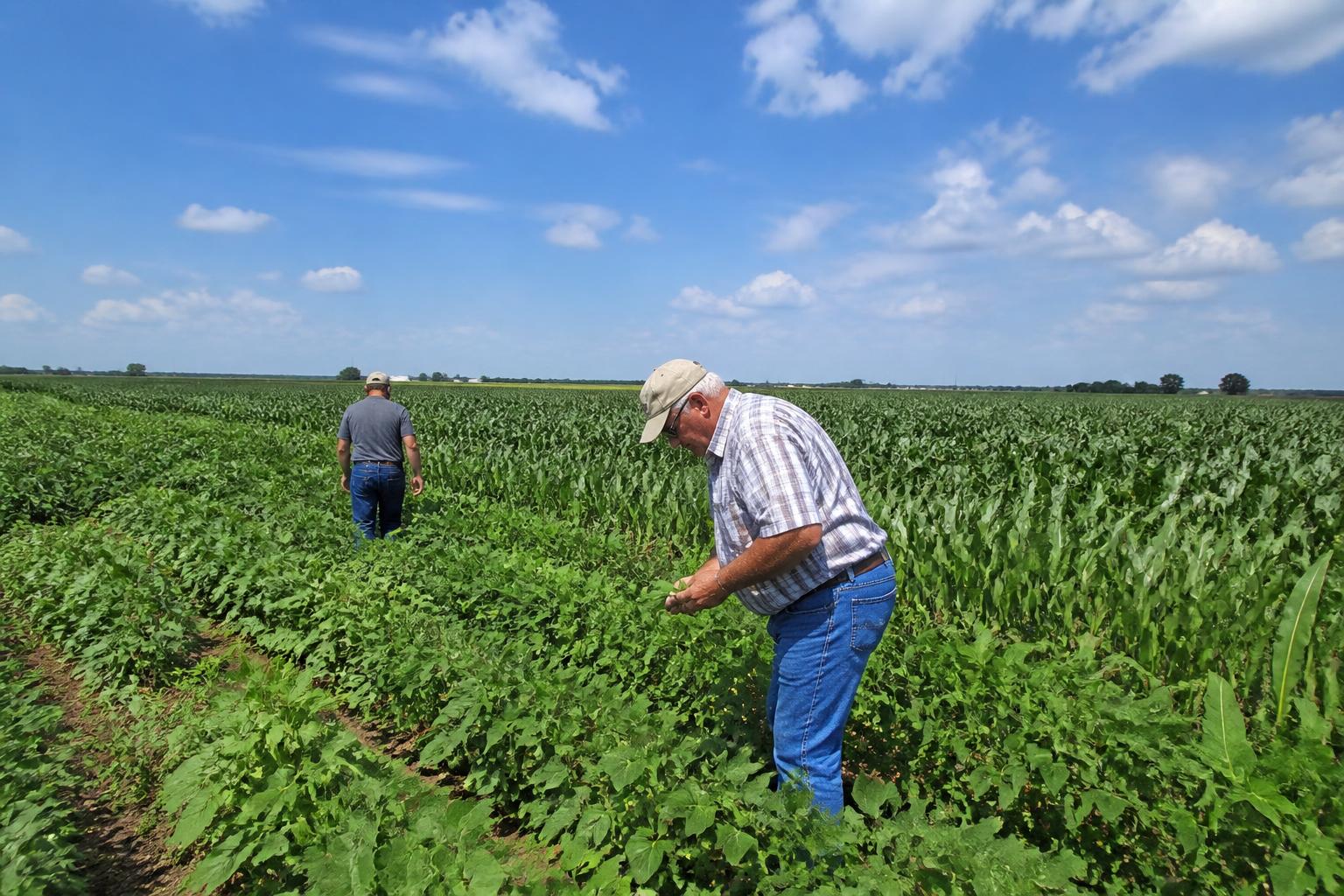
Navigating Mid-Summer Field Conditions
Delaware farmers are currently navigating a challenging summer period as elevated temperatures and limited moisture impact field performance across the state. These conditions require careful monitoring of crop health and moisture retention strategies as the season progresses. Producers in key agricultural pockets are balancing the immediate demands of field maintenance with long-term preparations for an uncertain harvest window.
For those managing input costs and storage capacity, the current environment serves as a reminder to prioritize efficient resource allocation. As seen in broader Delaware grain market trends, balancing storage capacity with timely sales remains a critical decision-making factor when field yields fluctuate due to seasonal weather patterns.
Strategic Planning in a Volatile Season
The convergence of regional dry weather and broader market pressures creates a complex landscape for Delaware agribusinesses. While the focus is often on immediate weather mitigation, farm operators are also evaluating how checkoff-funded advancements and innovation strategies may influence future yield potential and input sustainability. Maintaining flexibility in marketing plans can help insulate operations against unexpected market swings during these mid-summer months.
What it means for the market
The prevailing heat and moisture gaps are likely to keep a spotlight on regional production volumes. For farmers and handlers, this means staying agile with supply management and closely tracking localized weather reporting to adjust crop management tactics in real time. Ensuring that field equipment is prepped for potentially taxing harvest conditions remains a top priority for local operators as we move deeper into the summer cycle.
Comments
No comments yet - be the first to share your take.