
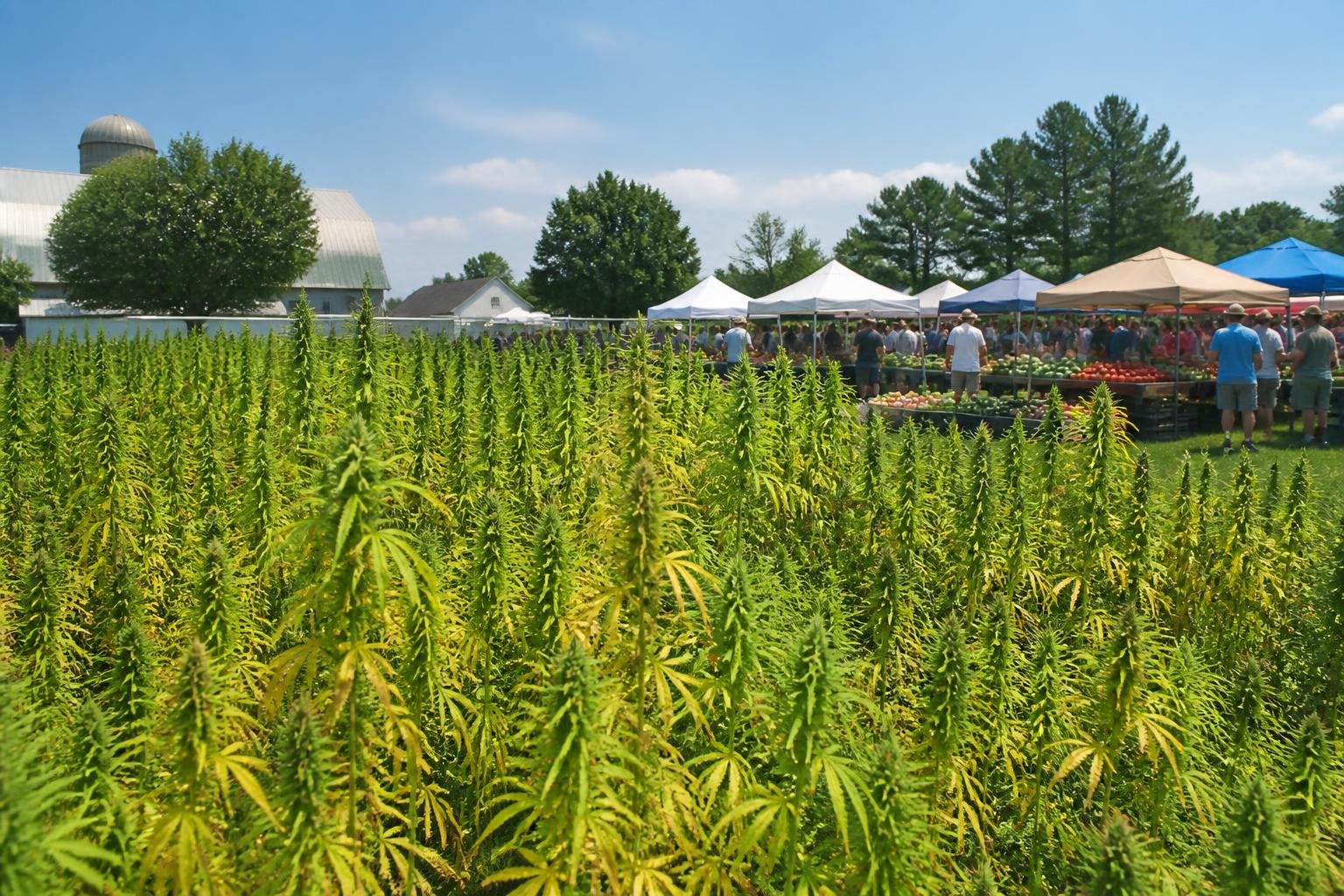
In the heart of Wisconsin's summer season, the logistics landscape remains a critical component of the state's agricultural success. With field work in full swing, farmers and agribusinesses are balancing the ongoing demands of farm-direct distribution alongside the constant need for efficient transport infrastructure. Keeping essential supplies moving requires a keen eye on regional road conditions and the timely coordination of haulage services as local activity intensifies.
Optimizing Local Supply Chains
For many across the region, navigating the complexities of state transport involves more than just equipment maintenance. As regional markets thrive—such as the widely recognized success seen by local venues like the West Bend farmers market—the ability to connect rural production to these hubs depends heavily on reliable logistics. When transport networks are streamlined, producers are better positioned to respond to the seasonal ebbs and flows that define the Wisconsin agricultural calendar.
Prioritizing Stability in Transport
Effective management of farm-to-market pathways is essential for maintaining the momentum of the current season. By focusing on consistent logistical strategies, handlers and carriers can mitigate potential bottlenecks, ensuring that both essential inputs and harvested products reach their destinations without unnecessary delays. Similar to the principles used in managing grain and dairy trends, staying ahead of regional logistics patterns provides a distinct advantage to Wisconsin agribusinesses during busy production cycles.
What it means for the market
For the Wisconsin agricultural sector, the current focus remains on efficiency and adaptability. As operations continue to navigate the summer months, clear communication between producers, transport providers, and storage facilities will remain the cornerstone of market stability and operational success.
Comments
No comments yet - be the first to share your take.