
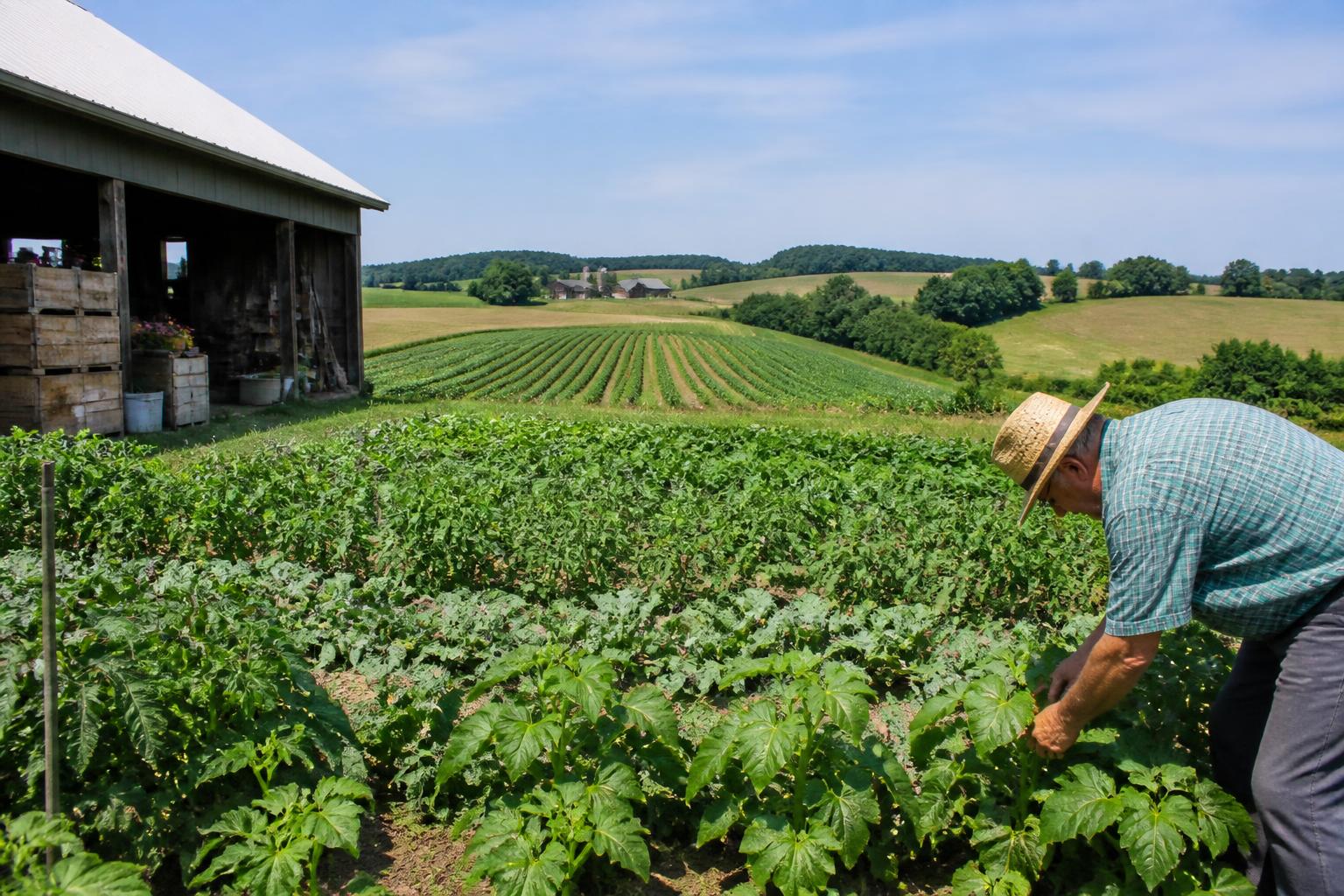
As the mid-summer season progresses, agricultural producers and agribusinesses across Pennsylvania are contending with shifting logistical landscapes. From the fertile fields of Lancaster County to the bustling corridors serving western hubs, the pressure on regional supply chains remains a primary concern for those moving grain, dairy, and specialty crops.
Rising operational costs in the transportation sector continue to impact bottom lines throughout the Commonwealth. Many local operations are feeling the squeeze, as the ripple effects of global volatility often exacerbate the challenges of managing regional freight. For carriers and handlers, maintaining efficiency during this busy period requires a close eye on both short-term fuel fluctuations and the long-term need for skilled logistics personnel, as explored in Pennsylvania Agricultural Logistics: Innovation and Infrastructure Challenges.
Managing Seasonal Logistical Volatility
The current environment demands proactive measures to mitigate potential bottlenecks. Effective coordination between elevators and transport providers is essential, especially as harvest activities and secondary movements ramp up across different regions. For many, successful operations this season may involve closer monitoring of local distribution patterns and labor availability to avoid unnecessary delays.
As noted in Pennsylvania Agricultural Logistics: Managing Mid-Summer Supply Chain Pressures, finding reliable capacity remains critical. Whether moving inputs or preparing for output distribution, regional businesses are increasingly focusing on robust scheduling to offset the strain of high demand periods and the inherent unpredictability of the agricultural calendar.
What it means for the market
For Pennsylvania farmers and logistics managers, the current market climate serves as a reminder of the fragility of the regional supply chain. Prioritizing efficiency, strengthening relationships with local transport partners, and keeping a pulse on state-level infrastructure updates can provide a competitive edge. As the season matures, the ability to pivot and manage these logistical costs will likely remain a defining factor for overall profitability.
Comments
No comments yet - be the first to share your take.