
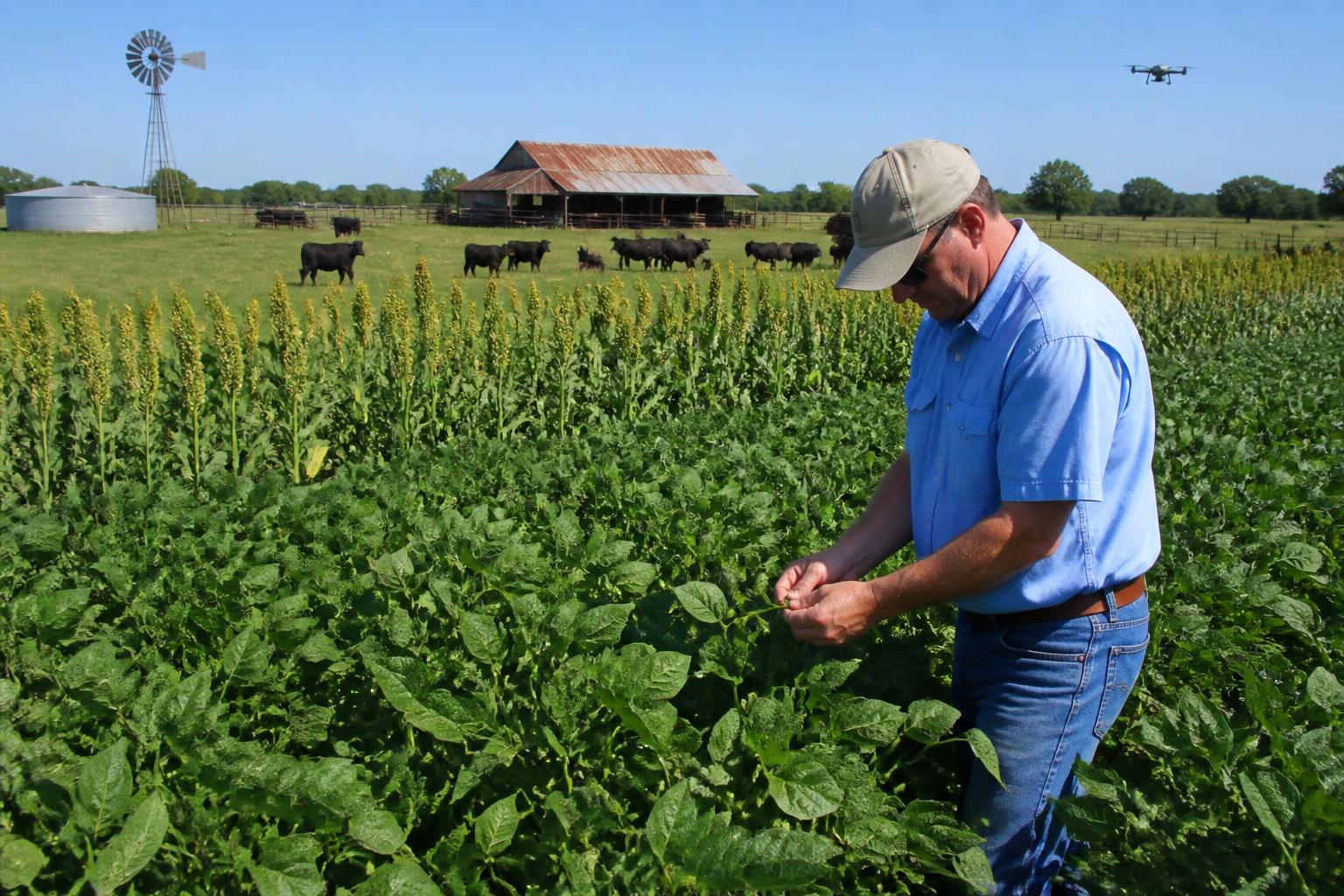
Livestock producers across New Mexico are recalibrating their herd management strategies as the industry responds to the recent confirmation of New World screwworm cases in the state. With the summer season in full swing, agricultural professionals are facing increased pressure to enhance surveillance and implement rigorous monitoring of livestock to mitigate the risk of further outbreaks.
For many ranchers, especially those operating near the southern border or utilizing shared grazing allotments, the current environment necessitates a more diligent approach to animal health. The threat of screwworm encroachment has placed a spotlight on the logistical hurdles of moving animals across state and international lines, with producers keeping a close watch on shifting USDA import requirements and border port status updates.
Bolstering On-Farm Defense
Beyond external trade impacts, the immediate priority for many is local biosecurity. Experts emphasize that regular inspection of livestock—particularly those showing signs of open wounds or localized irritation—is a critical control point. During the hot, arid summer months, consistent oversight of watering stations and mineral licks can often reveal issues before they escalate into herd-wide problems.
Producers are encouraged to work closely with local veterinarians to ensure that reporting protocols are understood, should an animal display suspicious symptoms. This proactive stance is essential for maintaining the overall market health of the New Mexico beef industry, which remains a cornerstone of the regional economy.
Navigating Logistics and Regulatory Shifts
The pressure on livestock logistics has prompted many agribusinesses to re-evaluate their supply chains, particularly regarding movement into and out of impacted zones. While trade flows remain dynamic, the industry is increasingly focused on maintaining operational continuity without compromising the strict safety standards required to keep regional markets accessible.
What it means for the market: For New Mexico producers, the current landscape underscores a period of heightened vigilance. While the immediate focus remains on disease prevention and animal welfare, market participants should anticipate that ongoing biosecurity efforts will play a larger role in operational costs and scheduling for the remainder of the summer season. Keeping close ties with local extension services and veterinary networks will be vital for staying ahead of potential regulatory changes.
Comments
No comments yet - be the first to share your take.