
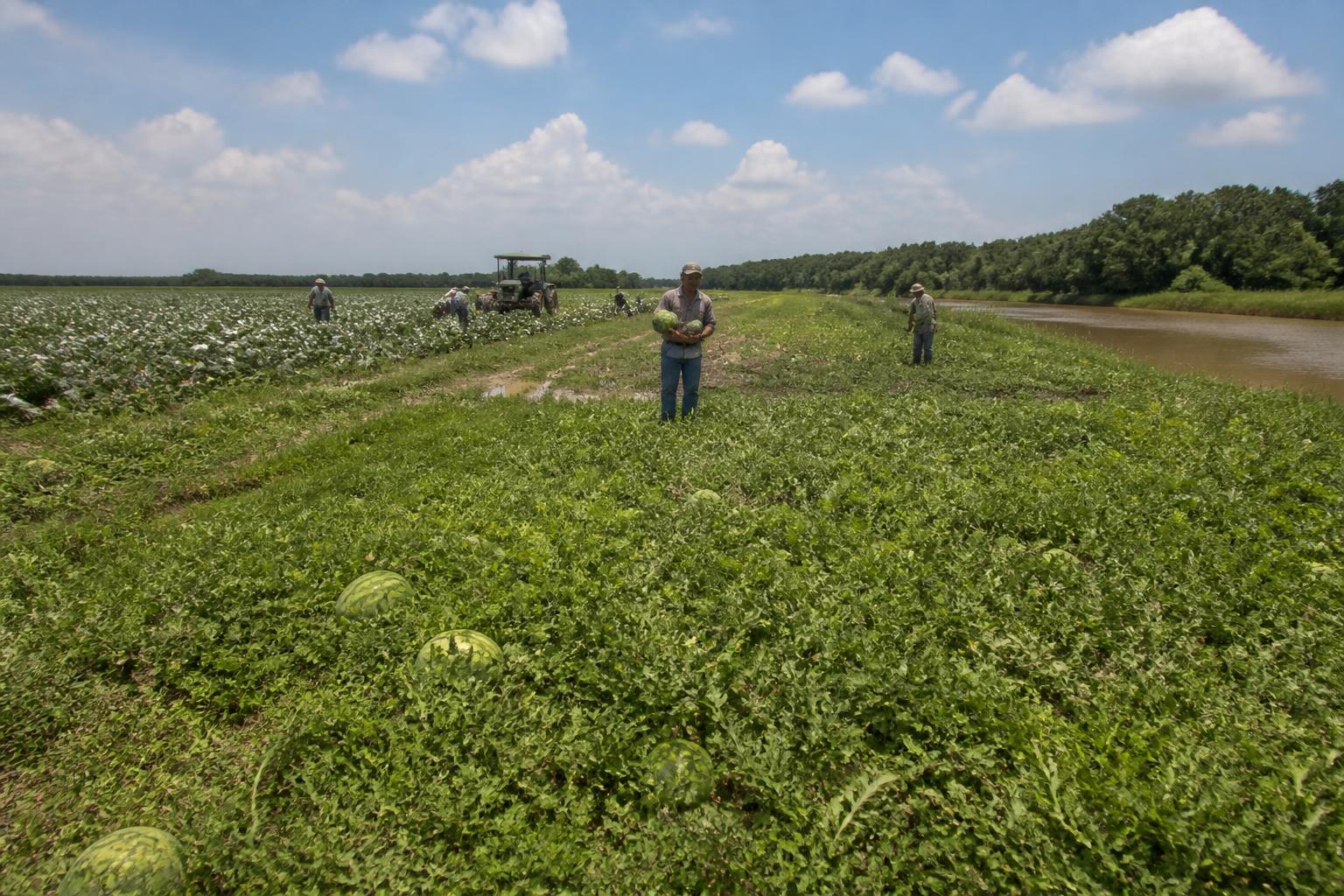
Mid-summer is a critical period for Mississippi growers, as high temperatures and varying rainfall patterns directly influence crop development and protection strategies. Throughout the Mississippi Delta and other primary agricultural regions, producers are focusing on balancing irrigation demands with the impacts of localized weather fluctuations. Effectively optimizing summer input efficiency remains a top priority to ensure that protection products and fertilizers are applied under optimal conditions for maximum efficacy.
Managing Field Health and Environmental Pressures
Recent seasonal observations indicate that extreme weather events can introduce significant hurdles for crop protection. While some areas face moisture stress, others have dealt with the implications of excessive rainfall, which can complicate pest control and disease management programs. Monitoring for pressure from common regional pests requires consistent scouting, particularly as the crop canopy closes. For operations managing summer fertilizer inputs and irrigation demands, the goal is to prevent runoff and ensure nutrients remain in the root zone rather than being lost to environmental factors.
Advancing Sustainable Practices
The commitment to long-term land productivity is increasingly evident across the state. Mississippi State University continues to support producers through ongoing research into entomology and soil science, providing a foundation for modern, science-based decision-making. By integrating these research-backed protection strategies, farmers can better mitigate risks associated with volatile weather and improve the overall resilience of their operations.
What it means for the market
For agribusinesses and producers, the current environment underscores the need for agile logistics and supply chain planning. As the season matures, maintaining a steady supply of crop protection products is essential to combat unforeseen outbreaks. Market participants should prepare for continued variability in input effectiveness and prioritize proactive field management to safeguard yield potential through the remainder of the summer months.
Comments
No comments yet - be the first to share your take.