
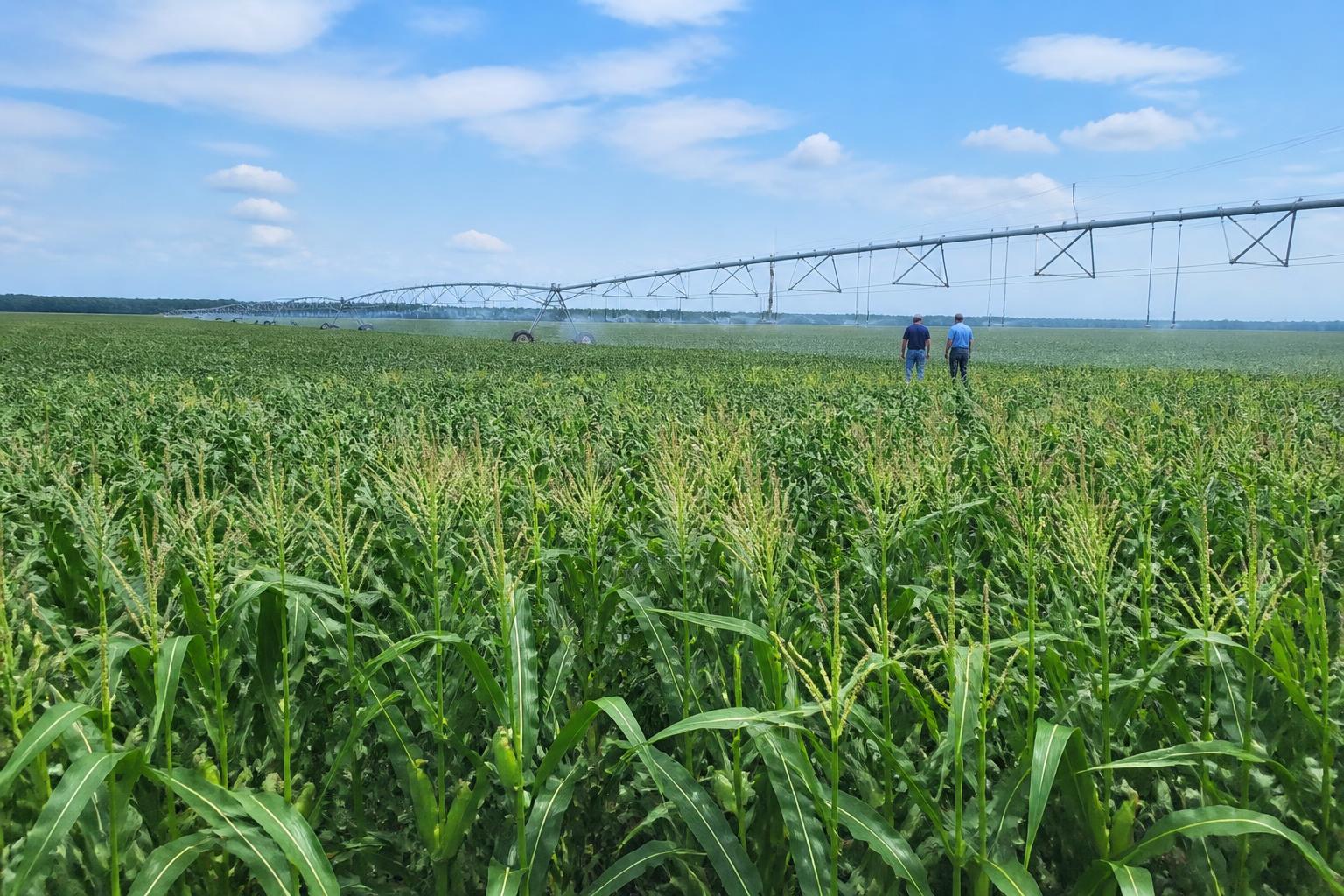
Mid-summer in Mississippi brings a distinct set of challenges for local producers, as the focus shifts toward maintaining crop health amidst the heat. With the state's agriculture and forestry sectors anchoring a significant portion of the local economy, efficiency in input management has become a vital strategy for growers looking to maintain their competitive edge.
For many across the Mississippi Delta, the conversation often turns to the delicate balance between irrigation requirements and nutrient management. The increasing adoption of advanced irrigation technology has served as a game-changer for many operations, allowing for more precise water application in the summer heat. However, the energy and labor costs associated with these systems, combined with fluctuating fertilizer prices, remain top-of-mind for farm managers.
Optimizing Nutrient and Water Efficiency
With ongoing interest in federal programs aimed at stabilizing fertilizer costs, producers are looking for ways to stretch their input dollars. Whether adjusting nitrogen applications based on late-season crop needs or exploring lower-cost weed control options for pasture land, local agribusinesses are emphasizing the importance of data-driven decisions. In some instances, leveraging phosphate duty suspensions has provided a measure of relief for those planning ahead for upcoming cycles.
Irrigation remains a primary tool in mitigating the impact of erratic rainfall patterns. As farmers work to ensure optimal moisture levels, the coordination of pumping schedules and equipment maintenance is essential. While technology continues to advance, the management of cotton and secondary crops in high-heat conditions underscores the need for robust operational planning to protect yield potential.
Infrastructure and Logistical Considerations
Beyond the field, the ability to move inputs effectively and store the eventual harvest continues to be a factor in overall profitability. Given the recurring need for upgraded logistics and infrastructure in the Delta, many producers are keeping a close eye on transport capacity. Reliability in the supply chain, from the arrival of fertilizers to the eventual movement of grain, plays a direct role in how effectively farmers can manage their cash flow during the busiest months of the year.
What it means for the market
The current market environment in Mississippi reflects a push for greater operational resiliency. By focusing on cost-effective nutrient management and optimizing irrigation, producers are better positioned to handle economic headwinds. As the season progresses, the alignment of input purchasing with long-term logistical planning will likely remain the most reliable path to sustaining margins in the face of broader economic pressures.
Comments
No comments yet - be the first to share your take.