
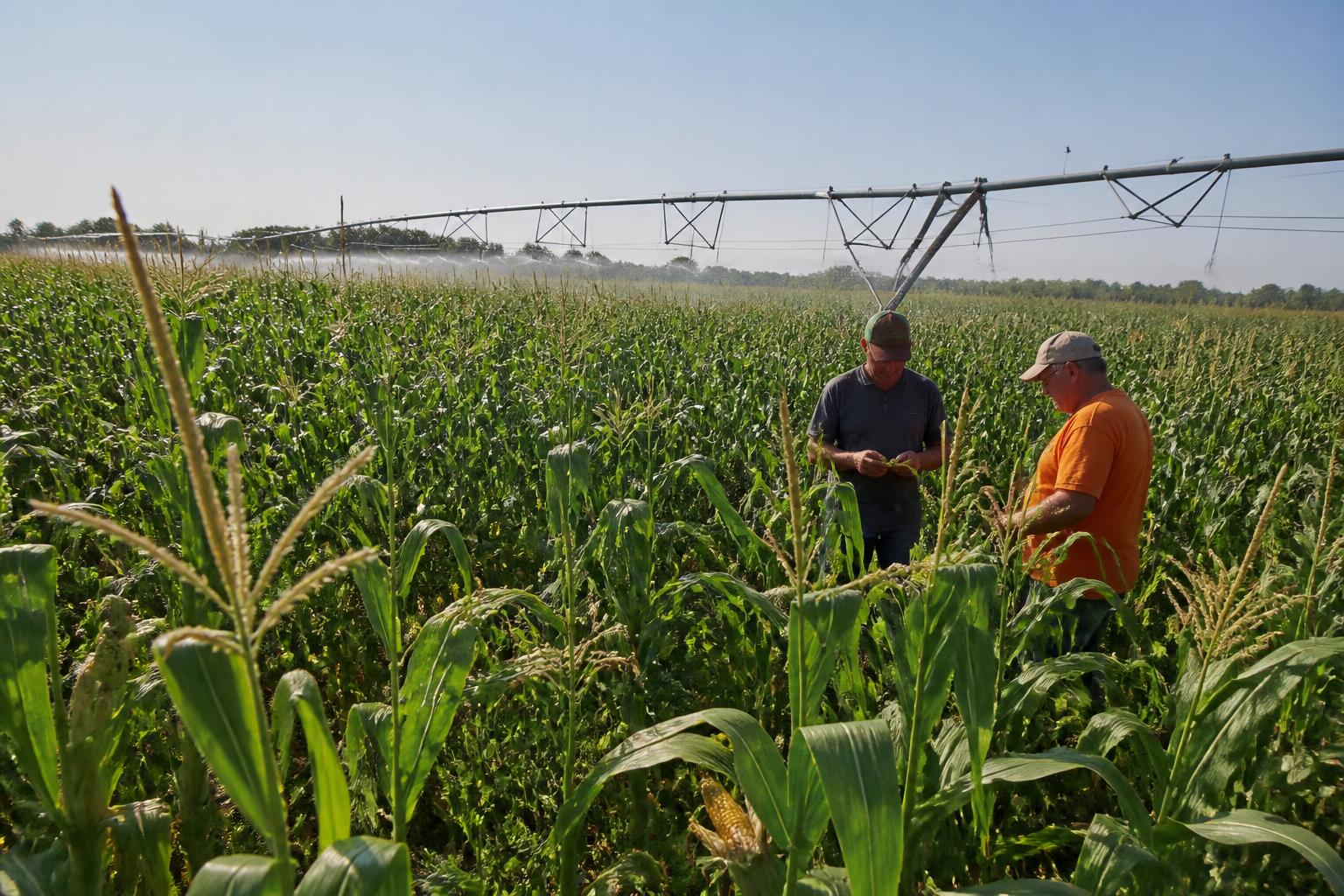
Mid-July finds Mississippi producers in the thick of the summer growing season. With consistent heat demanding precision in field management, many growers are reassessing how they handle water and nutrition to safeguard their investments. The focus remains on maximizing efficiency, especially as irrigation demand hits its seasonal peak across the Delta.
For those looking to optimize their summer fertilizer inputs and irrigation demands in Mississippi, modern field practices have become increasingly vital. Research continues to highlight that technical advancements in water delivery can significantly reduce waste and sustain crop health through long periods of heat. As the season progresses, ensuring that irrigation systems are properly calibrated is a non-negotiable step for those working to protect their yield potential.
Efficiency as a Market Strategy
The current agricultural landscape in Mississippi is defined by a need for agility. While larger-scale operations continue to evolve, many family farms are leaning into proven techniques that ensure long-term sustainability. This is particularly relevant when considering the logistical hurdles that often emerge during peak harvest windows, such as the logistical challenges facing Mississippi Delta grain movement. Proactive planning regarding storage capacity and regional transit options can help mitigate the risks associated with unpredictable river levels or localized transport bottlenecks.
Adapting to Evolving Conditions
Investment in technology and refined crop protection strategies are key themes for Delta producers this summer. As the industry faces shifting market dynamics, the ability to maintain quality while controlling costs is paramount. Whether managing cotton or fine-tuning corn and rice production, farmers are increasingly looking toward integrated logistics and storage solutions to navigate a volatile market environment.
What it means for the market: The path forward for Mississippi producers lies in the marriage of efficient resource management and logistical foresight. By prioritizing water and nutrient efficiency today, growers can better position themselves to handle the operational pressures that inevitably surface during the transition toward autumn harvest, keeping their operations resilient against both weather volatility and regional infrastructure constraints.
Comments
No comments yet - be the first to share your take.