
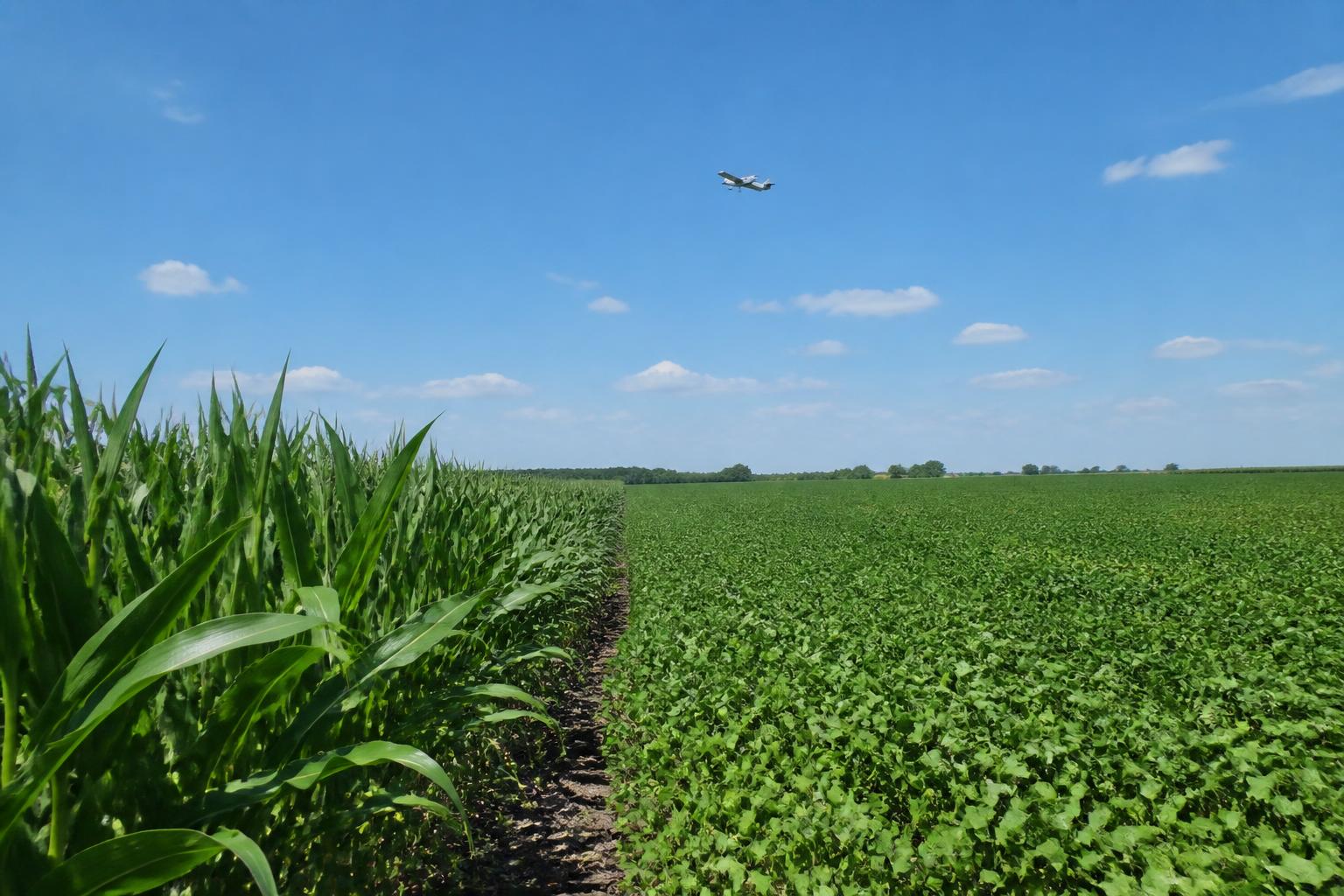
In the evolving landscape of Alaskan agriculture, producers continue to balance stringent production requirements with the unique logistical challenges of the North. As we move through the heat of the summer, focus has turned toward both the regulatory environment surrounding essential crop inputs and the infrastructure available to move agricultural goods efficiently.
Recent discussions among industry groups have highlighted the importance of a data-driven approach to evaluating crop protection tools like atrazine. For growers in regions like the Matanuska-Susitna Valley, staying informed on how these chemical assessments are standardized is essential for long-term farm planning. Adopting these optimized crop protection strategies ensures that farmers can maintain yields while adhering to updated safety and environmental guidance.
Expanding Logistics for Agricultural Goods
Infrastructure remains the backbone of the Alaskan market. Recent reports indicate a significant expansion in regional cargo capacity, with additional freighter aircraft coming into service. This development is particularly timely for agribusinesses looking to refine their supply chains. Increased air freight capability can reduce bottlenecks that have historically impacted the delivery of sensitive agricultural inputs or the timely outbound shipment of specialized crops.
Whether you are moving seed stock or finished harvest products, expanded cargo capacity signals a potential shift in how local operators approach market connectivity. Combined with tactical navigation of peak summer logistics, this increased capacity provides a much-needed buffer for producers operating in remote areas where reliable transit is often the difference between profit and loss.
What it means for the market
For the Alaska producer, the current market environment suggests a focus on operational agility. By staying aligned with evolving crop protection standards and leveraging the improving air cargo landscape, local agribusinesses can better manage overhead costs. While regulatory shifts regarding inputs require careful monitoring, the concurrent expansion of logistics infrastructure offers a tangible opportunity to streamline the movement of goods, ultimately strengthening the resilience of Alaska's unique agricultural sector during the critical summer months.
Comments
No comments yet - be the first to share your take.