
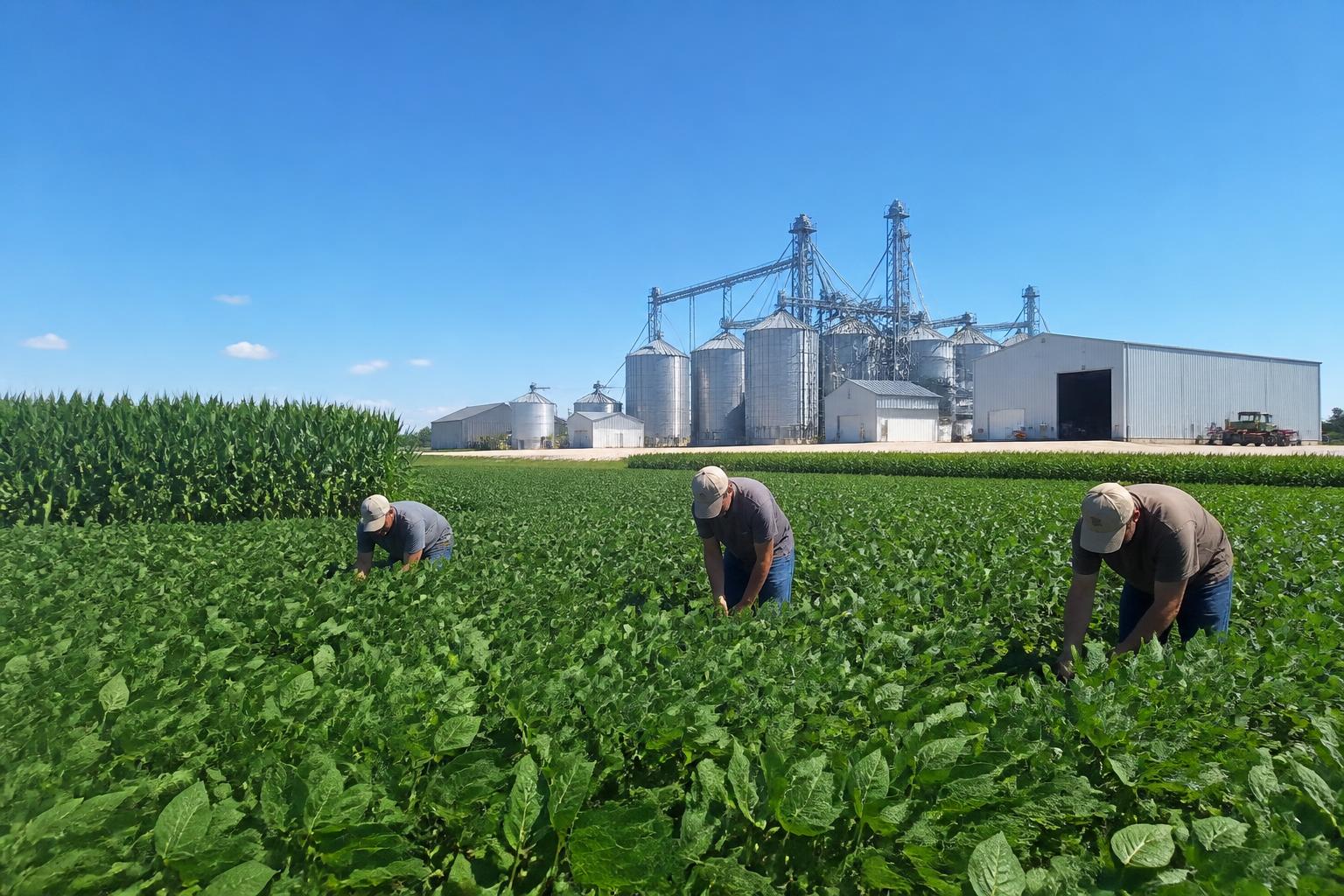
Mid-summer in Nebraska brings a distinct set of operational challenges for corn and soybean producers. As fields canopy and crop development moves through critical growth stages, reports of tar spot emerging in various counties have shifted attention toward proactive scouting and potential fungicide applications. Maintaining the integrity of the crop under pressure requires a disciplined approach to field monitoring during these long, humid days.
Alongside these agronomic hurdles, managers are navigating the complexities of the updated federal worker protection standards. Balancing the need for efficient field labor with compliance requirements remains a primary focus for many operations. Staying informed on how to streamline seasonal ag logistics while protecting your workforce is becoming an essential part of the mid-summer strategy.
Adapting to Evolving Field Conditions
The spread of disease, such as tar spot, can be highly variable depending on local weather patterns and field history. Producers are encouraged to keep close records of scouting results and, if necessary, consult with local agronomists to determine the economic threshold for intervention. Beyond disease, the broader regulatory environment continues to evolve, necessitating a proactive stance on safety and documentation. In some regions, ensuring that field crews are adequately protected while complying with revised standards can influence the overall timeline of mid-season tasks.
Integrating Data for Better Decision Making
Technology continues to play a significant role in how Nebraska farmers manage these pressures. With new developments in data ownership protections, growers are increasingly cautious about how their digital footprints are managed. Efficiently managing data from precision equipment can help identify localized stressors earlier in the season, allowing for more targeted responses rather than broad-spectrum treatments. As you evaluate your management plan, remember that staying ahead of market and operational shifts is vital; keeping a pulse on fertilizer market volatility and supply changes can provide better insight into your overall input cost structure for the remainder of the year.
What it means for the market
For Nebraska agribusinesses, the current climate emphasizes the need for flexibility. As harvest logistics begin to loom on the horizon, the ability to manage localized crop threats while adhering to shifting worker safety mandates will likely distinguish the most resilient operations. Focusing on data-driven management and regulatory preparedness will be key to protecting margins as the season progresses toward the fall.
Comments
No comments yet - be the first to share your take.