
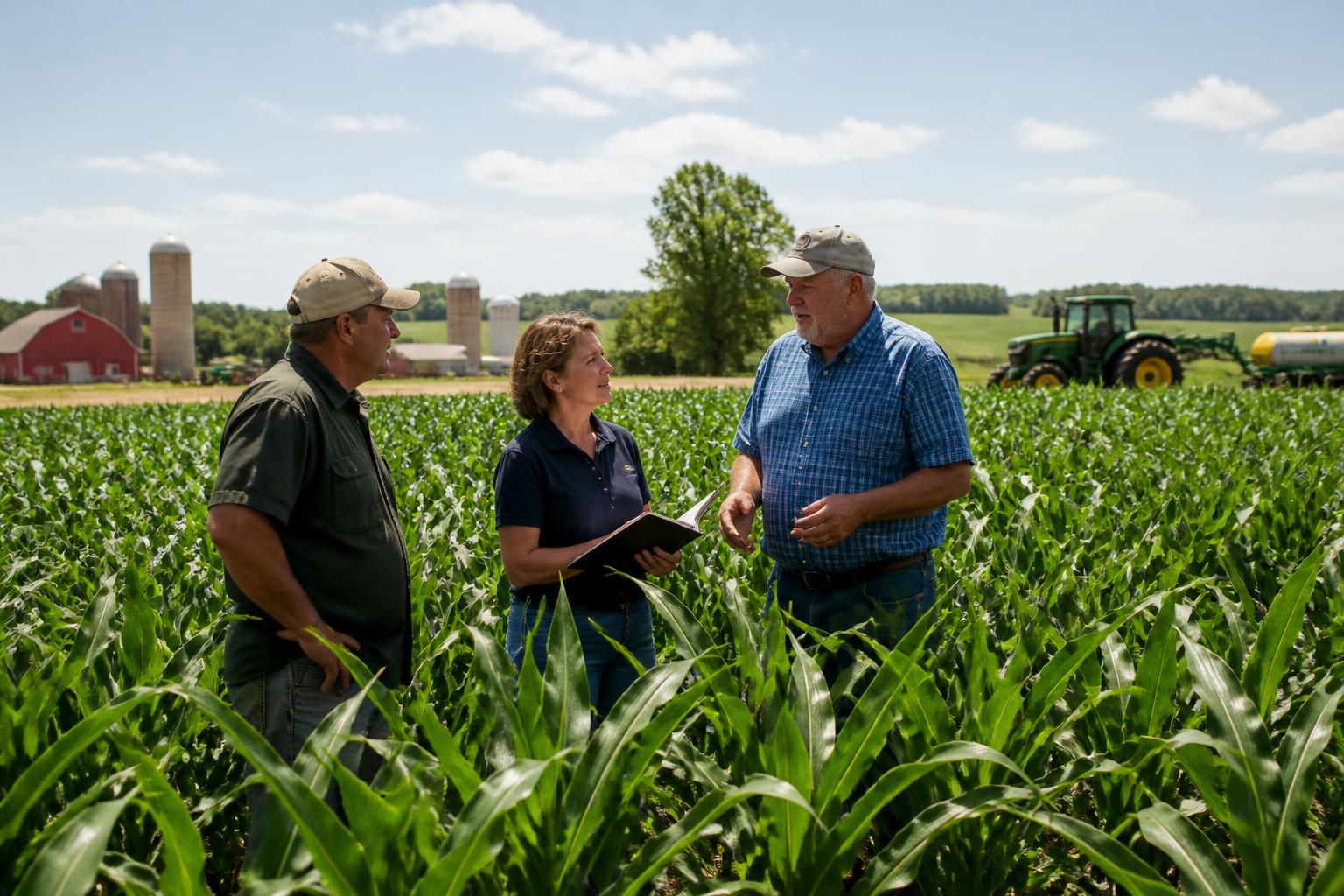
Building Resilience in Wisconsin Agriculture
As the summer season progresses, Wisconsin farmers are balancing daily operations against a backdrop of tight margins and evolving industry pressures. Many producers across the state are focusing on long-term resilience, exploring new methods to manage their land while maintaining profitability. Whether through adapting operational strategies or engaging with local watershed groups, the emphasis remains on finding sustainable paths forward during a period of market instability.
Infrastructure and Logistical Support
Efficient movement of goods remains a priority for Wisconsin’s agribusiness sector. Recent announcements regarding state-level rural infrastructure grants provide a much-needed boost for logistics in key agricultural hubs, including Dodge County. These developments often help ease the logistical burdens on local elevators and farm-direct operations, which are essential for keeping regional supply chains moving smoothly during peak demand. For further insight into the complexities of regional haulage, Wisconsin logistics and transport updates offer a look at the factors impacting mid-summer freight movement.
Conservation and Community Engagement
Beyond infrastructure, the conversation around land management is shifting. Watershed groups across the state are currently refining how they communicate the benefits of conservation practices. Effectively connecting with both the farming community and the public is vital for ensuring that environmental initiatives remain practical and supported. For growers balancing these goals with production needs, exploring conservation-integrated management can be a useful strategy for managing long-term soil health and operational sustainability.
Market Outlook and Adaptation
The current economic environment continues to draw attention from leaders and industry experts alike, with recent roundtables highlighting the significant pressures facing the state's producers. Adaptation remains the common thread, as many agricultural businesses seek to modernize their approaches to research and development. Growers interested in how to refine their input strategies can find value in examining integrated crop protection methods as a way to maintain yields while managing rising costs.
What it means for the market
The combination of new infrastructure funding and a focus on localized conservation suggests that Wisconsin agriculture is prioritizing systemic longevity. For grain handlers, carriers, and producers, staying informed about these infrastructure improvements and management trends is essential for minimizing downtime and keeping operations efficient throughout the remainder of the summer.
Comments
No comments yet - be the first to share your take.