
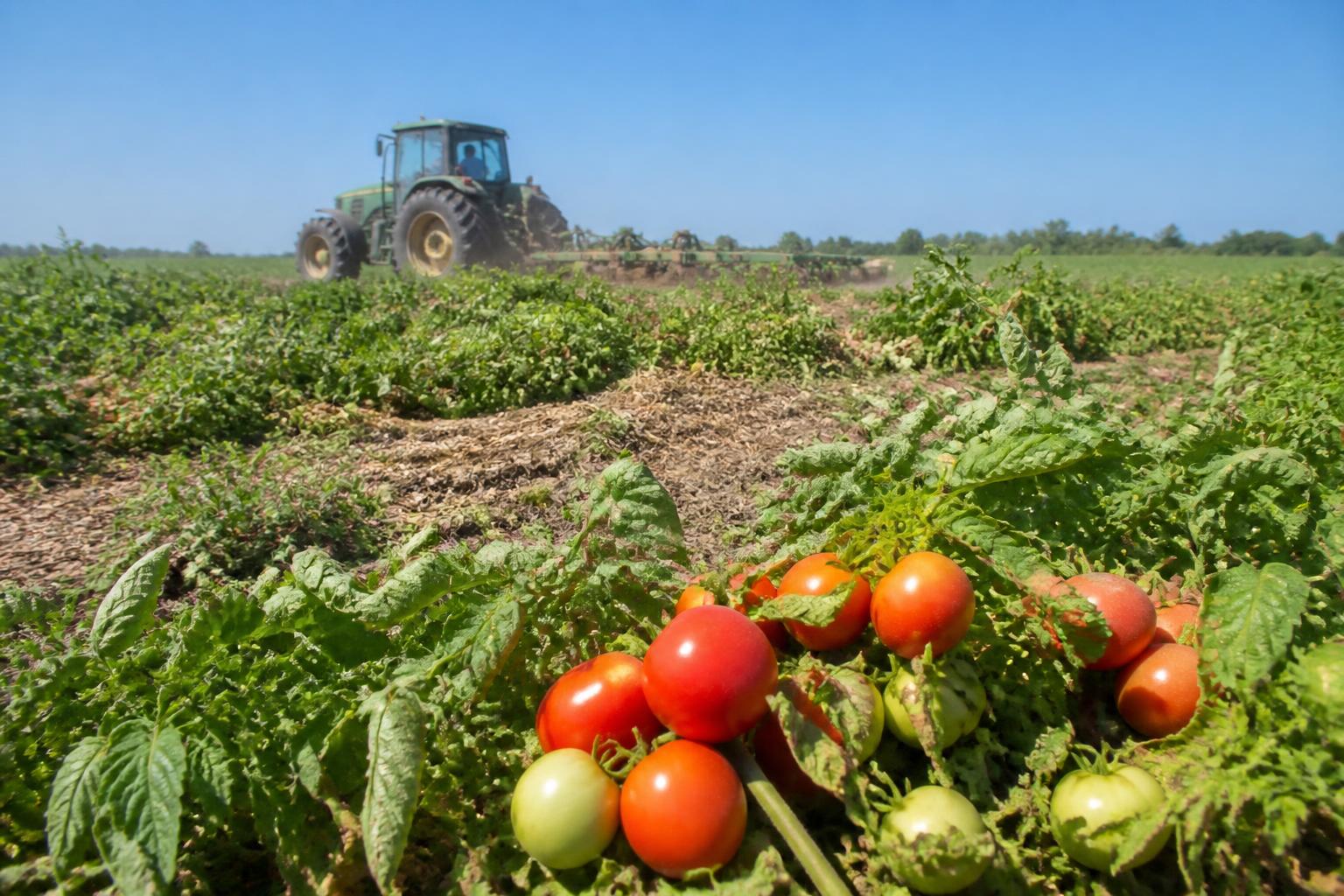
As Florida producers navigate the current summer cycle, the agricultural sector faces a complex intersection of input cost volatility and evolving crop management requirements. Reliable access to essential inputs remains a primary concern for operations across the state, with fertilizer markets seeing persistent price pressures linked to global supply chain sensitivities. These logistical hurdles are compounded by a challenging landscape for chemical and biological crop protection measures, necessitating a closer look at how local farmers manage long-term risks.
Input Price Volatility and Supply Reliability
Recent market indicators suggest that nitrogen-based fertilizer prices remain under considerable strain, with some price increases reaching significant margins due to regional and international distribution bottlenecks. For Florida operations, securing timely delivery of nutrients is critical as they manage current growth stages. The unpredictability of these costs often forces producers to reconsider traditional fertilization schedules in favor of more precise, data-driven applications to protect profit margins.
This environment is encouraging a push toward more efficient resource management. As noted in recent coverage of operational cost management, growers are increasingly looking at how logistics and supply shifts affect their bottom line. Efficiency is no longer just a goal for yield improvement but a necessary strategy for survival in a high-cost environment.
Navigating the Crop Protection Landscape
The regulatory and technical path for crop protection in Florida is also shifting. With new registrations for biological tools becoming available, farmers have access to emerging methods for managing field health. However, the integration of these tools into standard operations often requires balancing immediate efficacy with long-term soil health considerations. Techniques such as conservation tillage are gaining renewed attention as producers look for ways to safeguard their land and manage moisture levels during the peak heat of the summer months.
What it means for the market
For the average agribusiness and grain handler, the current situation underscores a need for heightened coordination. The combination of high input costs and local regulatory scrutiny means that producers are prioritizing flexibility. Expect to see continued interest in smart-farming technologies and innovative, low-impact pest management tools that can demonstrate a clear return on investment. As the season progresses, growers will likely continue to favor suppliers who can offer transparent, reliable, and cost-effective solutions to keep operations stable amid these ongoing regional challenges.
Comments
No comments yet - be the first to share your take.