
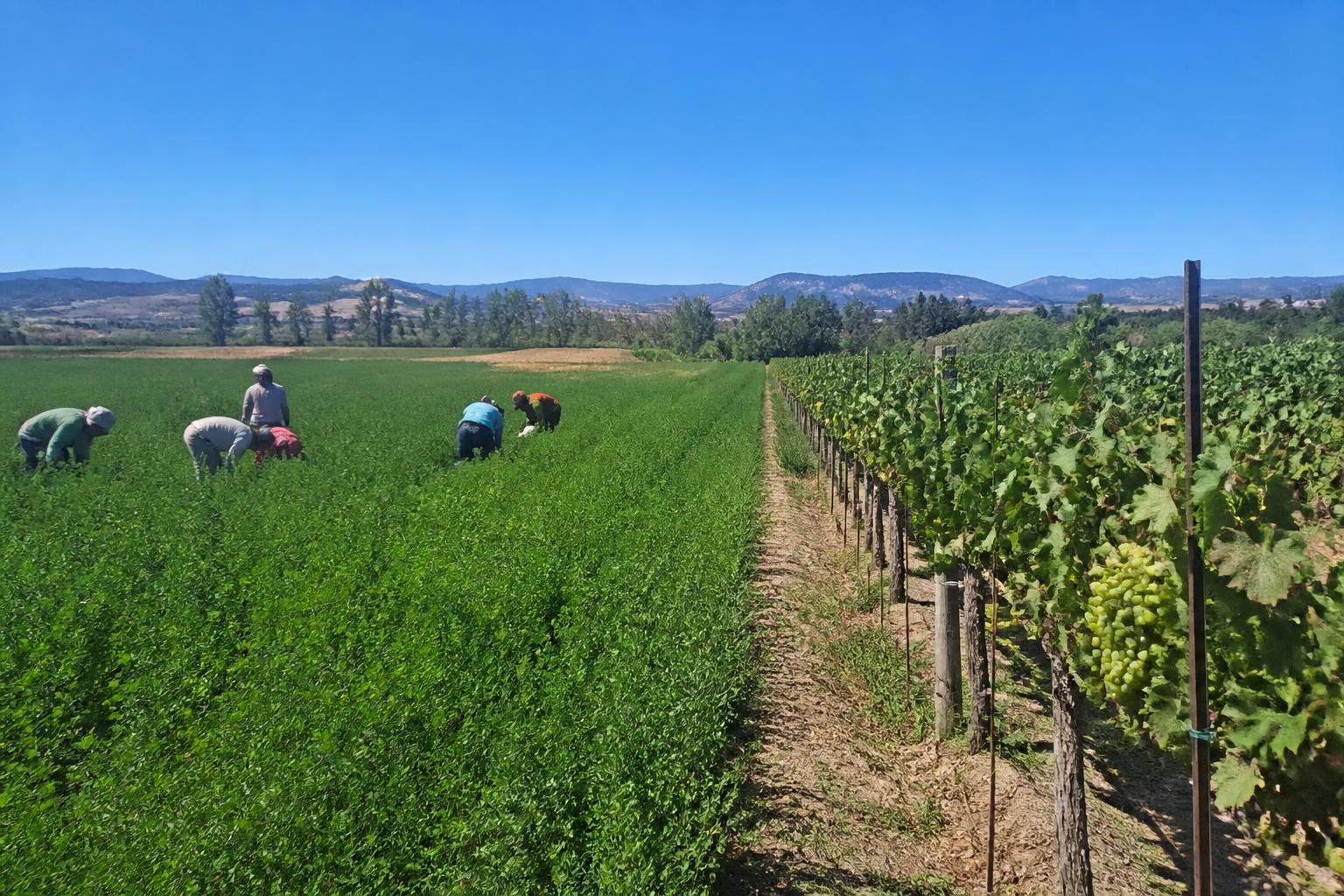
As the summer growing season progresses, Nevada producers are navigating a complex environment characterized by fluctuating resource availability and evolving economic conditions. For many farms across the Silver State, managing input costs remains a central focus, particularly as regional operations weigh new options for soil amendments and crop protection.
The current climate has prompted a closer look at local resource development. Specifically, interest in regional mineral sources, such as developments near Murdock Mountain, may offer Nevada growers long-term alternatives for phosphate needs. Integrating localized inputs can be a strategic move for producers looking to stabilize their operational budgets against broader market volatility.
Adapting to Economic Shifts
Recent reports regarding changes in federal support programs for smaller agricultural operations have underscored the importance of operational resilience. Many producers are now exploring ways to diversify their revenue streams, with some turning to specialized educational programs at institutions like the University of Nevada, Reno to better align their farming and business models with current economic realities. Whether focusing on summer soil health or refining transport logistics, the ability to adapt to changing overheads is vital for sustaining high-desert output.
Resource Management in the High Desert
Managing water and soil health in Nevada remains a constant, and keeping a pulse on changing crop forecasts is essential for seasonal planning. Beyond standard crop management, the regional agricultural community is increasingly monitoring how local land use and extraction activities, including lithium operations, may interface with existing farmland. This ongoing evolution in land use necessitates a proactive approach to site-specific management strategies, ensuring that soil productivity is maintained through the intense heat of the summer months.
For those managing transport-sensitive goods, balancing high-desert logistical hurdles remains a reality of the geography. Producers are finding that streamlining supply chains, even on a local level, can provide a buffer against the cost spikes often seen during peak agricultural activity.
What it means for the market
For Nevada agribusinesses, the current trend emphasizes self-reliance and strategic sourcing. As federal support structures shift, the focus is turning toward regional innovation and efficient resource utilization to protect margins. Producers who can leverage local soil amendments and invest in localized economic expertise are better positioned to weather fluctuations, ensuring that operations remain viable in the face of both environmental and financial pressures.
Comments
No comments yet - be the first to share your take.