
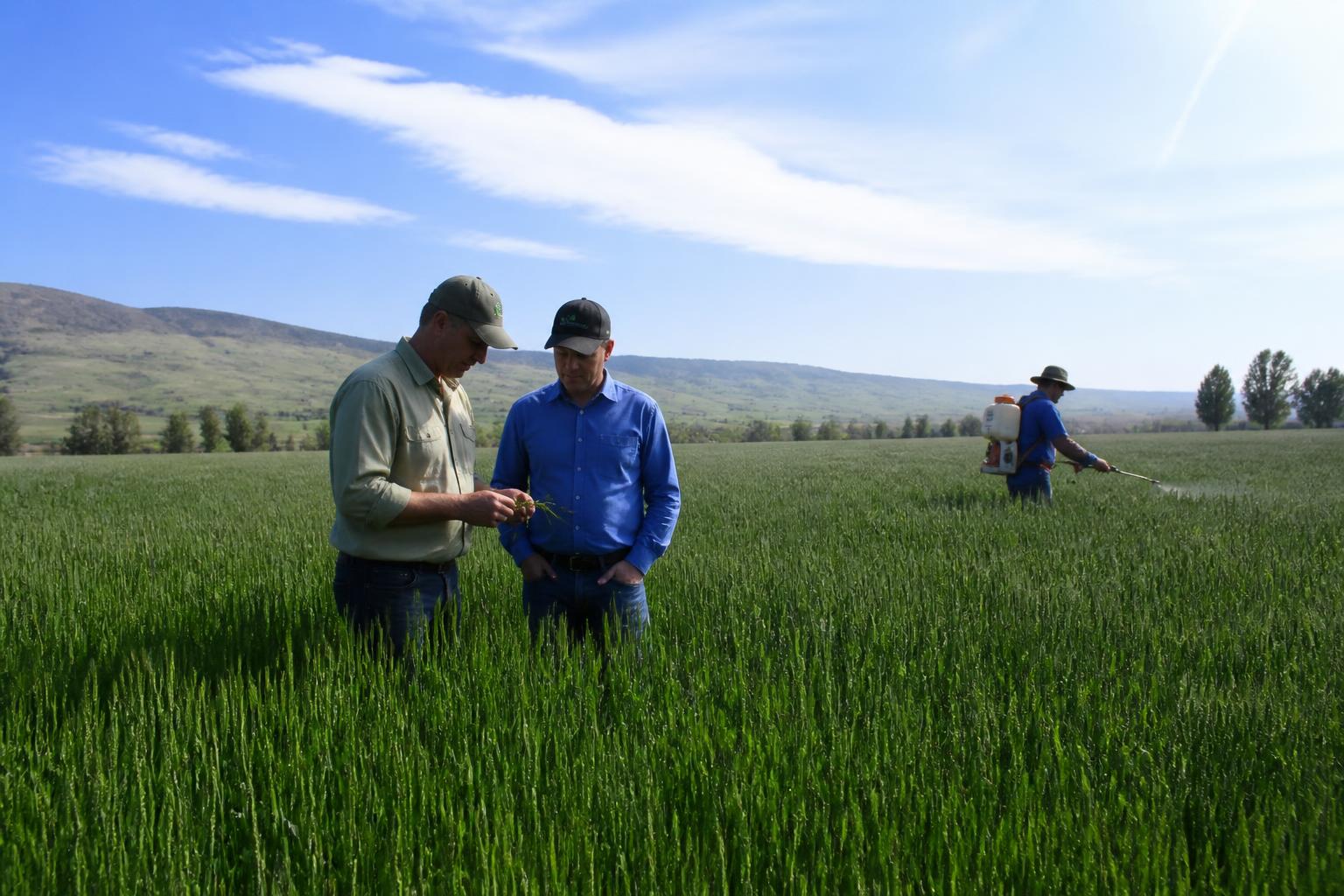
With the summer growing season reaching its peak in August, New York agricultural producers are turning their attention to critical late-stage crop maintenance. Managing weed resistance and disease pressure during this window remains a top priority for maintaining yield potential as crops transition through their final growth stages.
For growers looking to refine their approach, selecting targeted solutions that address specific field challenges is essential. Many producers in the Empire State are currently optimizing mid-season crop protection strategies, leveraging a combination of integrated pest management and industry-standard chemistries to protect against late-summer outbreaks. Evaluating the effectiveness of existing applications against current field conditions is a standard step for those looking to maximize their return on investment before harvest begins.
Navigating Market Pressures
Beyond the field, the broader agricultural landscape continues to see shifts that impact procurement decisions for crop protection inputs. Market volatility, influenced by various global supply factors, often necessitates a cautious approach to inventory management. Staying informed on the latest product developments and supply availability can help agribusinesses and farm managers make more informed decisions when sourcing necessary applications.
Practical Steps for August
As operations look toward the coming weeks, consider these strategies to streamline your workflow:
- Assess pest scouting reports specifically tailored to your local region to determine if further treatment is warranted.
- Review product labels and efficacy data to ensure chosen applications remain appropriate for the current growth stage of your crops.
- Evaluate existing storage and input requirements in anticipation of upcoming fall preparation.
What it means for the market: For New York producers, the current season emphasizes the importance of agility. By focusing on targeted, evidence-based crop protection and staying attuned to supply chain shifts, growers can better navigate the complexities of a volatile market while safeguarding their bottom line through the end of the harvest season.
Comments
No comments yet - be the first to share your take.