
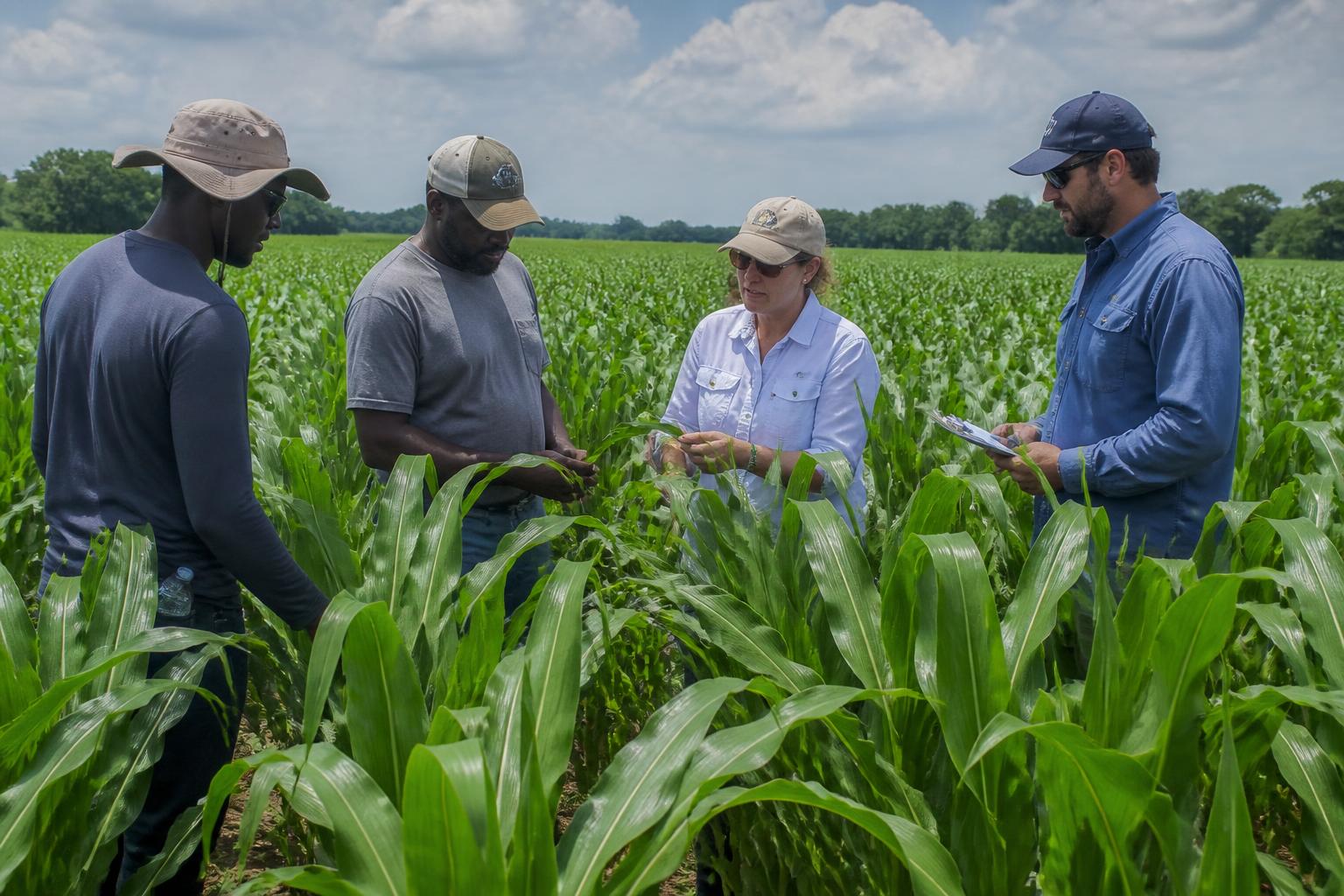
As we reach the height of summer in Mississippi, farmers across the Delta and beyond are focusing their efforts on maintaining crop integrity through intensive management practices. With the season in full swing, the emphasis remains on applying sound integrated pest management strategies to protect yields while keeping a close eye on field-level stressors that can impact final production.
For many operators, this time of year serves as a crucial window for applying lessons learned from previous growing seasons. Whether adjusting input strategies for corn or monitoring pollinator health, the focus remains on operational efficiency and mitigating the risks that can often arise from unpredictable environmental pressures during the peak heat of August.
Building Operational Stability
While the immediate focus is on the field, the broader economic context for Mississippi producers remains a key point of discussion. Industry observers note that while modern agriculture often presents new complexities, many farmers are currently operating from a more stable financial foundation compared to the volatile conditions of past decades. This stability is essential as producers look to navigate economic pressures and seasonal risks that can influence decision-making during the harvest lead-up.
Continued support from regional research initiatives, such as those led by Mississippi State University, remains vital. These programs often provide the technical expertise necessary to address plant protection trends and operational shifts that directly impact local bottom lines. By integrating these scientific advancements with practical field experience, producers are better positioned to sustain productivity despite the challenges of the summer climate.
What it means for the market
For grain handlers, input buyers, and service providers, this period represents a time of high activity and close coordination. As harvest approaches, the focus on managing input costs and maintaining crop quality will likely dictate the flow of goods through regional supply chains. Keeping pace with local agronomic trends and maintaining strong lines of communication with local elevators will be key for stakeholders as they prepare for the transition from mid-summer management to the upcoming harvest push.
Comments
No comments yet - be the first to share your take.