
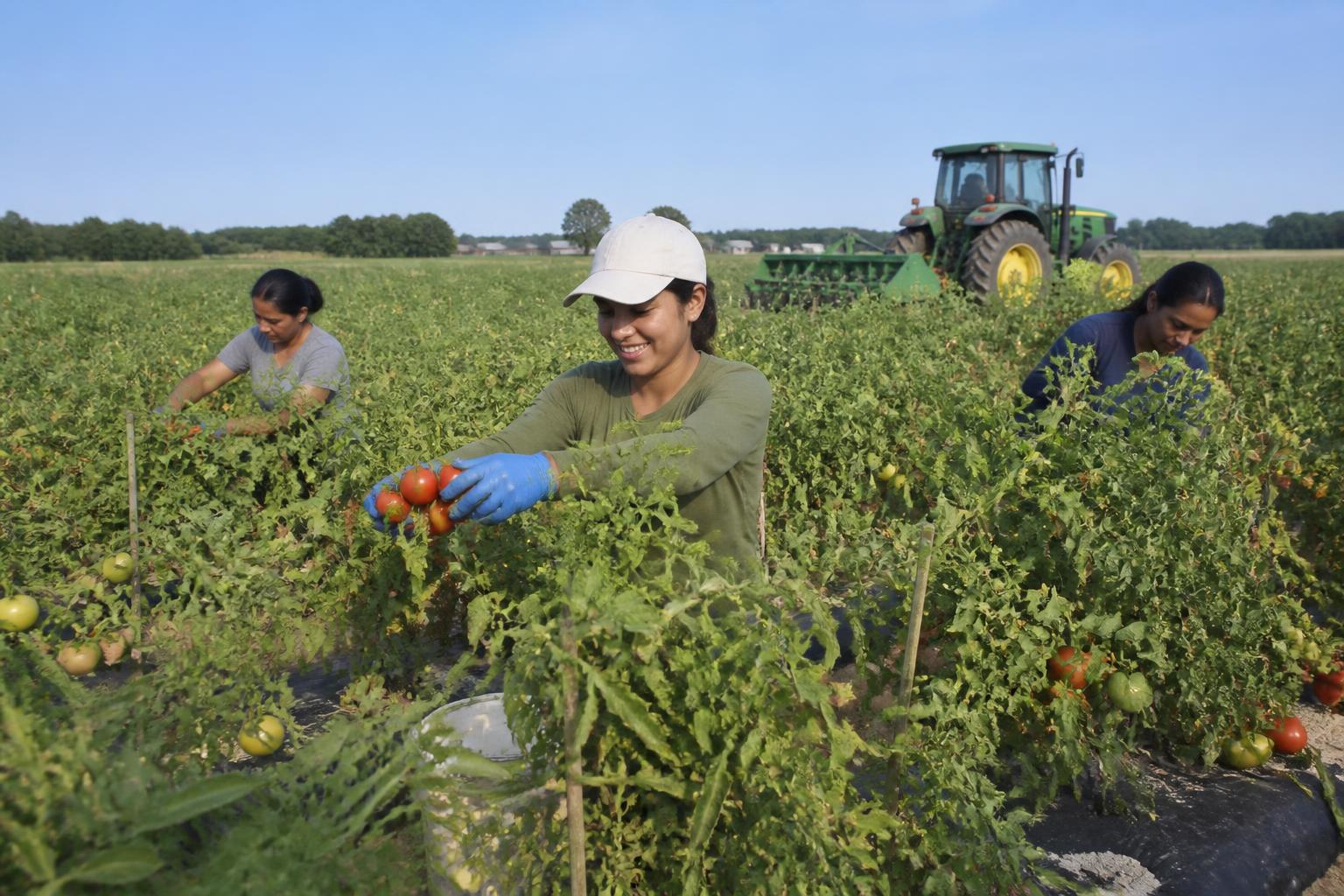
As we move into August, the agricultural landscape across Massachusetts remains a blend of localized resilience and broader economic adjustment. Growers throughout the Commonwealth are currently balancing the demands of high-summer crop maintenance with the need to evaluate long-term financial stability. For many producers, this includes navigating the ongoing cost headwinds currently impacting regional agribusinesses, forcing a strategic look at how operational budgets are allocated as the season progresses.
Amid these fiscal pressures, public and private support mechanisms continue to play a pivotal role in maintaining farm viability. Recent state funding initiatives, such as grants directed toward local operations like those in Westport, underscore a commitment to keeping farmland productive rather than repurposing it for development. This trend is particularly vital in regions where maintaining the environmental and economic character of our rural corridors is a top priority for growers and policymakers alike.
Technology and Sustainability in the Field
Innovation continues to influence how Massachusetts farmers approach daily logistics. From precision tools to more sustainable cultivation methods, the focus remains on improving yield quality and resource efficiency. Producers are increasingly exploring ways to enhance their resilience against environmental variables, which have become a hallmark of navigating the New England climate during these warmer months. Whether through improved irrigation management or the adoption of new precision spraying technologies, the goal remains the same: stabilizing output in a fluctuating marketplace.
What it means for the market
For the Massachusetts agribusiness sector, the current environment suggests a cautious but proactive approach. While input costs remain a primary concern, the combination of targeted state support and a renewed focus on sustainable production practices provides a blueprint for endurance. Producers should continue to leverage available regional resources to buffer against mid-season volatility, ensuring that local operations remain competitive as we head toward the fall harvest cycle.
Comments
No comments yet - be the first to share your take.