
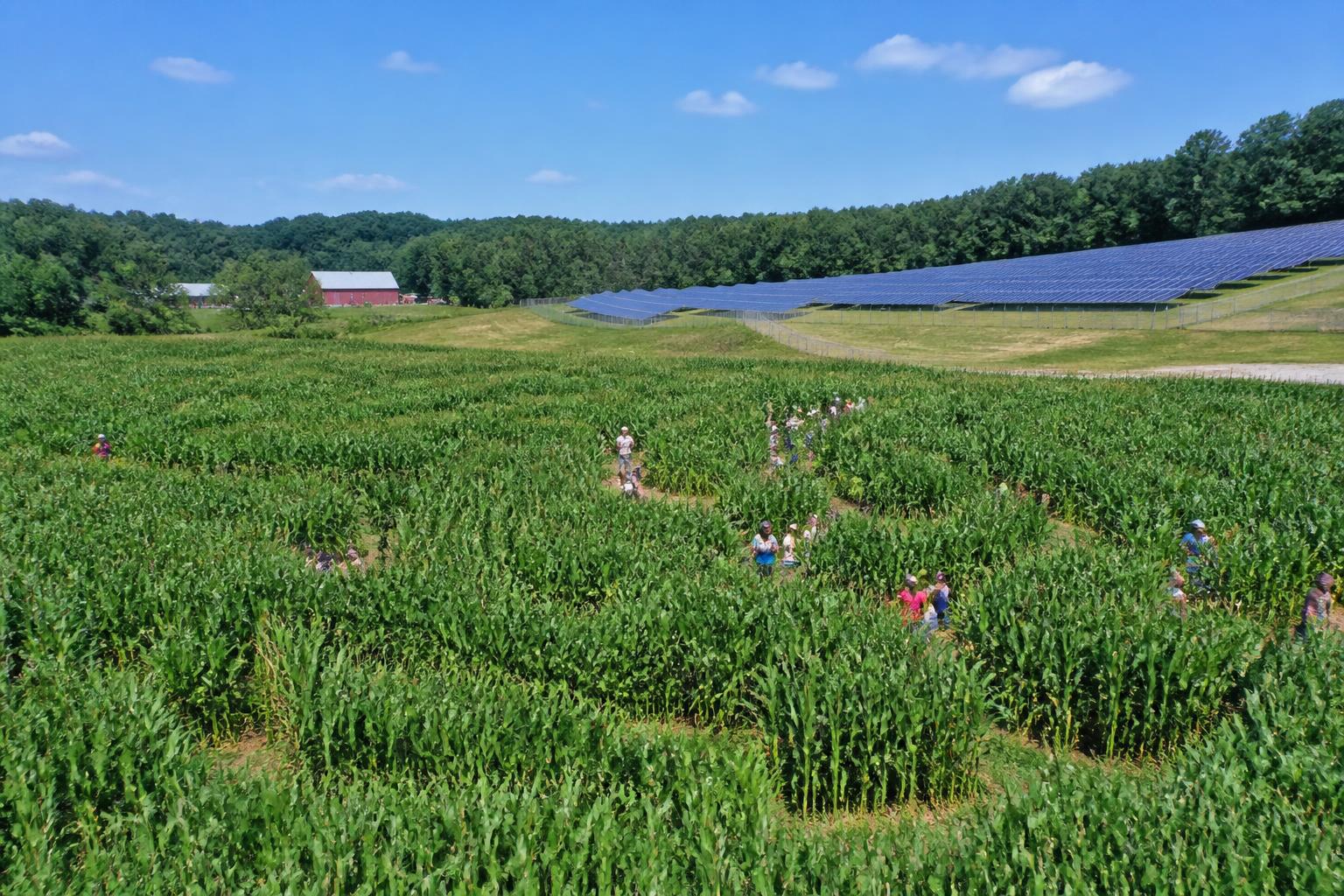
Mid-summer in Massachusetts brings a unique set of challenges and opportunities for growers across the Commonwealth. From the Connecticut River Valley to the coastal plains, producers are currently fine-tuning their field management strategies to navigate a landscape defined by both environmental stewardship and tightening federal margins. While the industry is often adept at handling the seasonal variability of New England weather, current shifts in legislative priorities and resource allocation are keeping local agribusinesses on their toes.
Aligning Crop Protection with Modern Land Standards
As the sector moves further into the growing season, there is an increased emphasis on how sustainable crop protection strategies interact with broader land-use initiatives. Massachusetts’ recent entry into international conservation frameworks signals a potential shift in how acreage is managed, particularly for operations aiming to balance high-yield production with ecological compliance. Farmers are often finding that integrating protective measures—such as wind-mitigating infrastructure or refined pest management—serves the dual purpose of shielding fragile crops from summer storms while satisfying evolving regulatory expectations.
Operational Efficiency in a Shifting Policy Environment
With the federal farm bill process still unfolding, uncertainty surrounding long-term funding remains a primary concern for local stakeholders. Managing these gaps often requires a focus on operational agility. Many operators are looking toward improved logistics and labor management as a hedge against external market fluctuations. The focus on geospatial and precision technology—particularly in regions surrounding agricultural education hubs—offers a path for growers to optimize inputs and reduce waste, even as broader economic conditions remain unpredictable.
What it means for the market
For the Massachusetts grower, the current environment demands a proactive approach to risk. Whether it is engaging with new crop protection methodologies or preparing for potential shifts in the nutrient supply chain, the key to mid-summer stability is localized data and resource planning. By staying ahead of legislative changes and investing in resilient infrastructure now, local agribusinesses can better position themselves to withstand the volatility that often characterizes the latter half of the fiscal year.
Comments
No comments yet - be the first to share your take.