
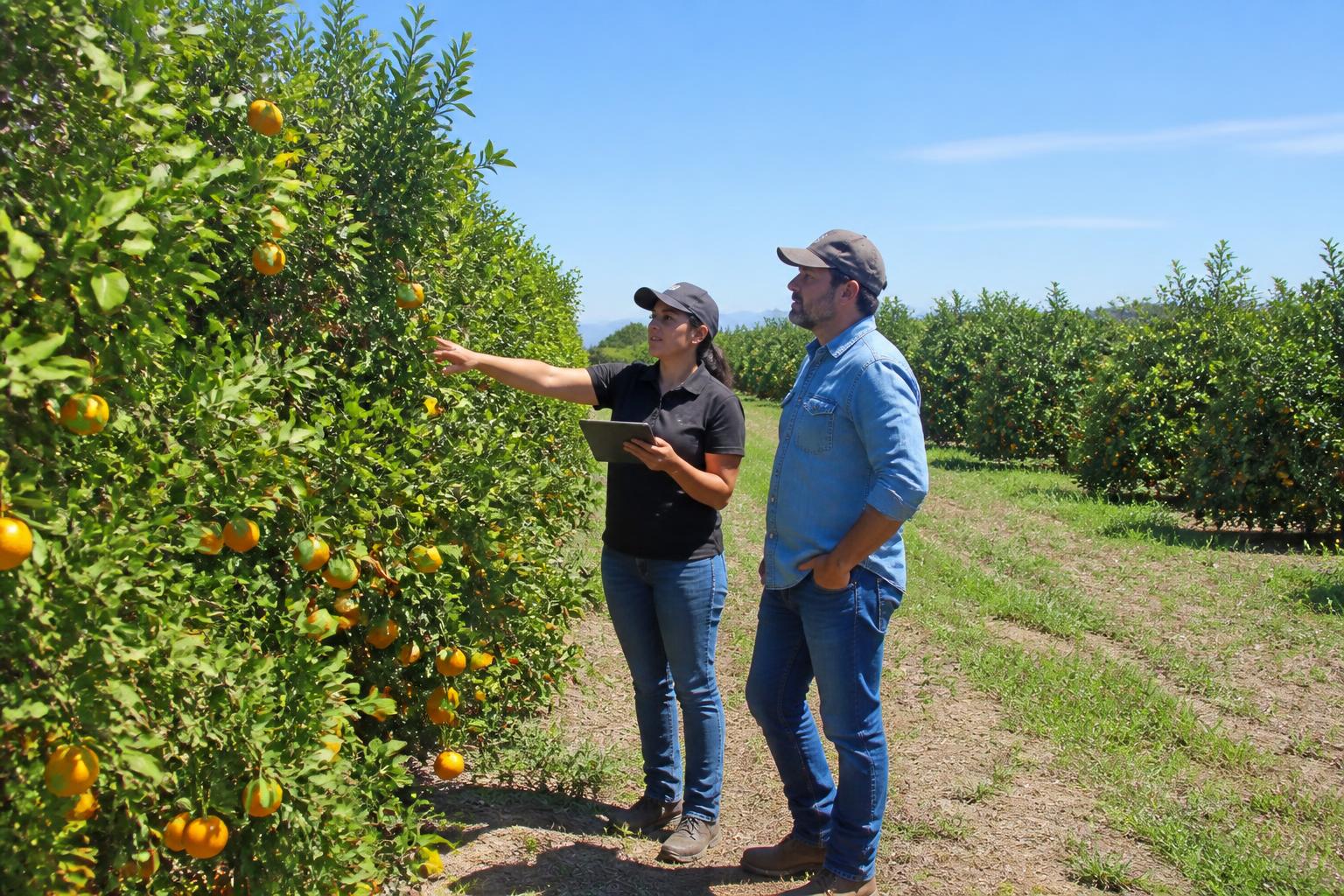
Innovative Tools for Early Stress Detection
For Florida producers operating in regions where water management is critical, new diagnostic tools are emerging that may change how we monitor crop health. Recent developments from the University of Florida showcase technology capable of identifying drought stress well before it becomes visible to the naked eye. By utilizing satellite data and sensors that bridge the gap from field level to space-based observation, growers can potentially target irrigation efforts more precisely, saving precious resources during the hot summer months.
Protecting Florida Crops Through Seasonal Shifts
While summer heat is the current focus, Florida growers remain inherently prepared for the full spectrum of weather risks. In counties like Lake, irrigation is not just for hydration; it is a vital tool for protection against the threat of freezing temperatures. When cold fronts descend, producers have long utilized water to insulate citrus and other sensitive crops, providing a protective layer that keeps fruit viable despite sudden temperature drops. These established operational logistics remain a cornerstone of risk management for regional agribusinesses.
Prioritizing Resilience and Sustainability
The landscape of agricultural protection in Florida is evolving, shifting toward a more integrated approach that combines high-tech data with traditional on-farm practices. As new biologicals and diagnostic tools gain traction, the goal remains consistent: maintaining yield stability in a volatile environment. Beyond the physical crop, the industry is also placing a stronger emphasis on the well-being of the workforce. Ensuring that farmers have the resources and support to manage the mental and financial pressures of modern production is just as critical to the long-term health of the industry as any physical input or risk management strategy.
What it means for the market
For input buyers and logistics partners, these technological shifts indicate a move toward more data-driven purchasing cycles. As growers adopt sensors and precise water management tools, the demand for equipment and specialized inputs may fluctuate in tandem with these more granular field management techniques. Monitoring how these technologies integrate into standard Florida farming operations will be key for suppliers looking to support producers effectively throughout the upcoming seasons.
Comments
No comments yet - be the first to share your take.