
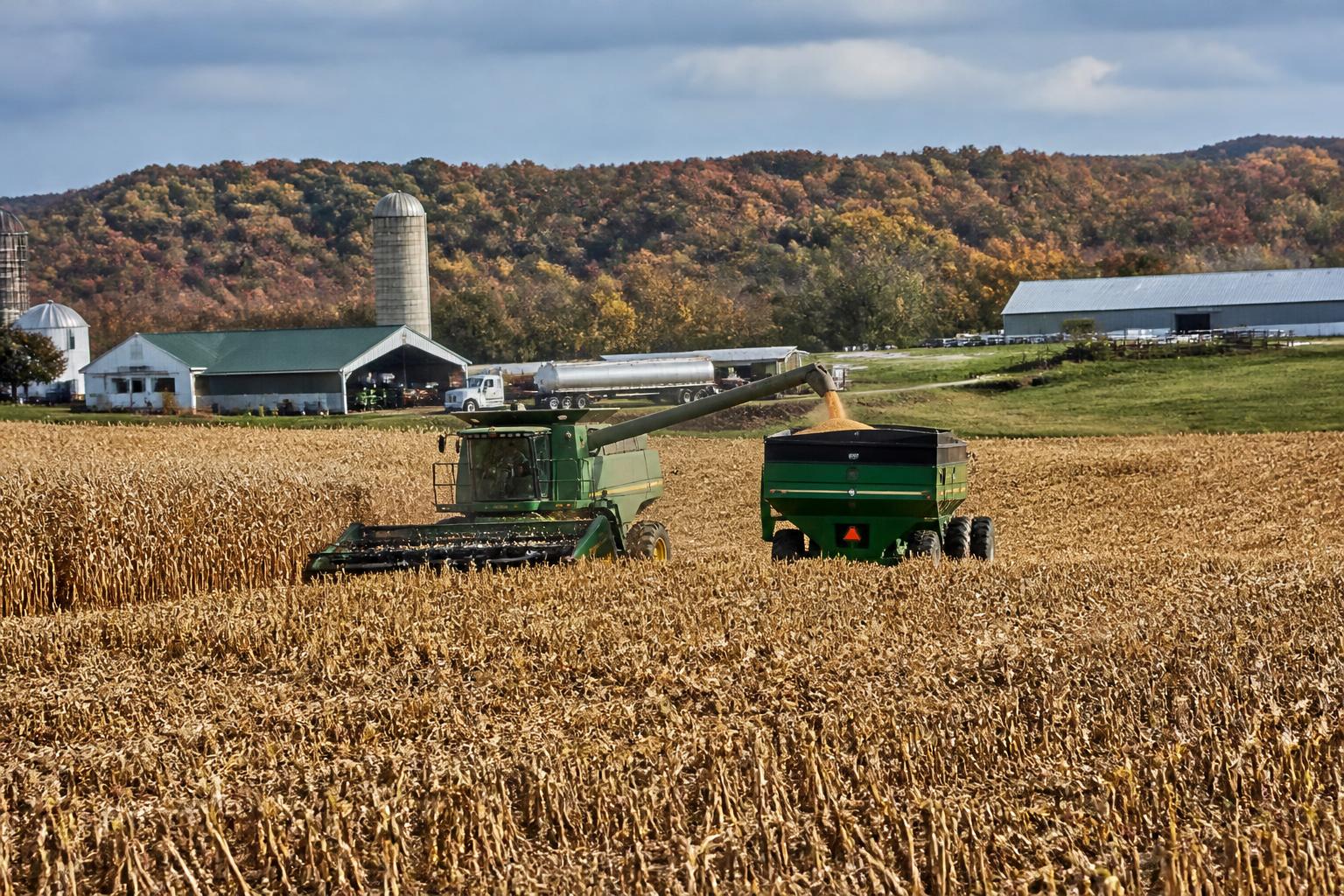
As we move through the heart of the harvest season, New York's agricultural landscape is navigating a complex interplay of logistics and input stability. Ensuring that field yields are efficiently moved to market while simultaneously planning for upcoming season needs requires sharp attention to the state's transport infrastructure. Producers are increasingly looking toward managing fuel costs and supply chain flux as they aim to maximize the value of their current output.
Investment into the state's agricultural backbone remains a focal point for regional stability. Recent initiatives aimed at bolstering the dairy supply chain and supporting essential transport equipment like milk tankers highlight the ongoing effort to modernize logistical pathways. For grain handlers and livestock producers alike, these developments serve as a reminder that regional infrastructure capacity is a significant determinant of operational success during peak months.
Input Planning and Market Readiness
Beyond the immediate demands of the harvest, agribusinesses are evaluating the trajectory of essential inputs. Market volatility, particularly regarding energy-sensitive supplies, continues to influence decision-making for those preparing for the next production cycle. Effective fertilizer and input planning remains a vital component for farms aiming to insulate their operations from sudden price spikes and supply disruptions.
What it means for the market
For New York's agricultural participants, the current environment emphasizes the necessity of foresight in both logistics and resource procurement. While seasonal pressure is high, aligning operational schedules with available infrastructure and staying proactive regarding input costs can provide a necessary buffer against broader market uncertainties. Maintaining a diversified approach to supply chain management may offer producers improved flexibility as they close out the fall season and prepare for winter transitions.
Comments
No comments yet - be the first to share your take.