
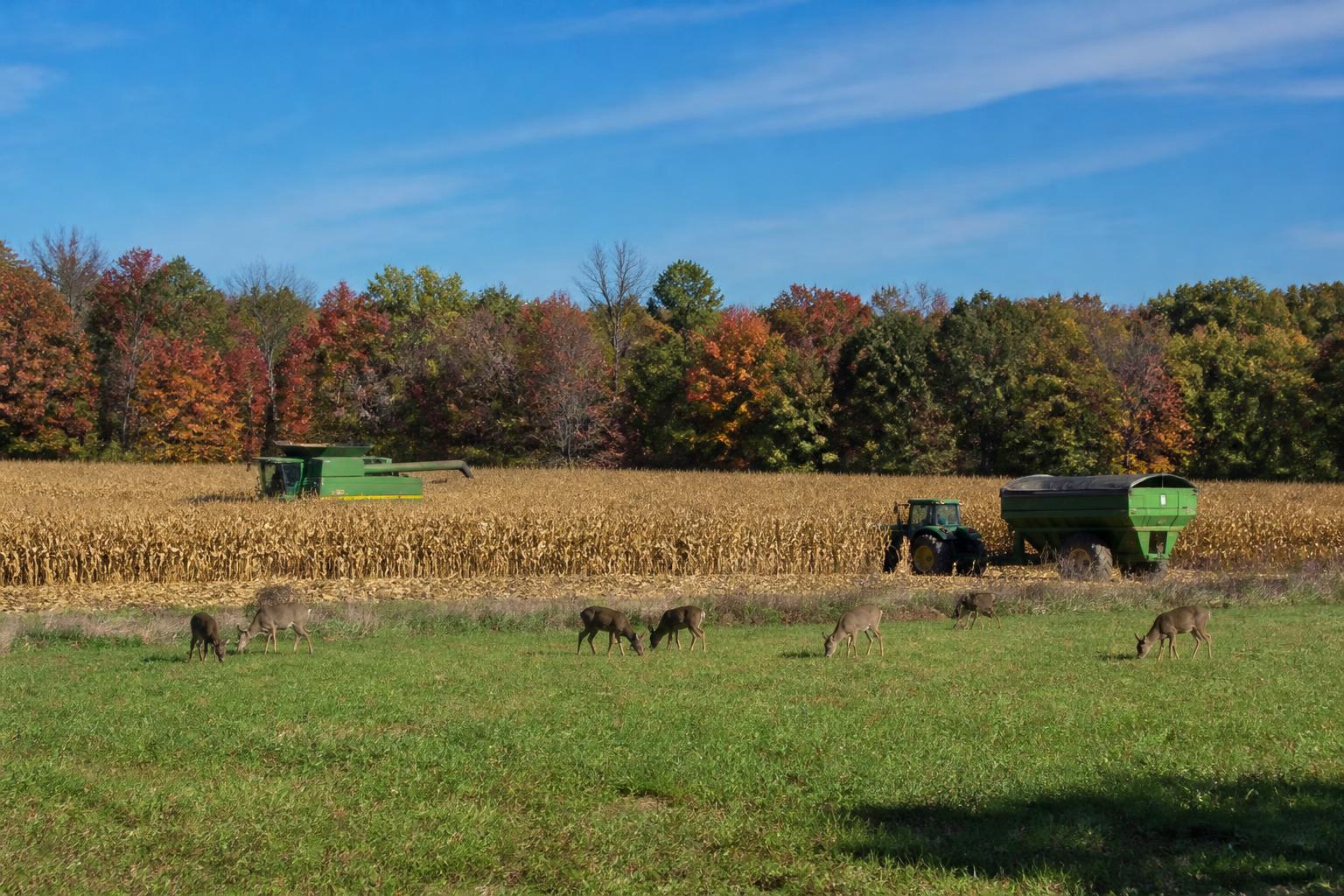
North Carolina growers are entering the peak of the fall season, balancing critical harvest operations with ongoing field management needs. As producers across the state continue to monitor crop health and yield potential, the introduction of new tools into the market, such as Viriterra Inc.'s Perseus SC herbicide, is providing farmers with additional options to consider for their integrated pest management strategies.
While many operations remain focused on logistics and seasonal yield protection, understanding how these new crop protection products perform in local conditions is essential. As seen in North Carolina harvest logistics, managing input effectiveness alongside timing is a recurring challenge for regional agribusinesses, especially when dealing with variable field stressors like localized pest pressure or environmental shifts.
Evaluating Protection Strategy
The arrival of new chemistry comes at a time when producers are also managing broader pressures, including reports of field damage from wildlife and the ongoing necessity for quality control in grain storage. As researchers and industry professionals continue to investigate agricultural innovation at facilities like the N.C. Plant Sciences Initiative, farmers are encouraged to assess how new applications might fit into their upcoming planting cycles or fall cover crop management plans.
Furthermore, with recent grant funding bolstering specialty crop development in the state, there is increased attention on diversifying management practices. Whether utilizing conventional field methods or emerging hydroponic technologies, consistent vigilance remains the primary defense for protecting the bottom line throughout the remainder of the autumn season.
What it means for the market
For grain handlers and input buyers, the expansion of the herbicide market represents a shift in available operational inputs. Producers should prioritize testing and validation of these products within their specific soil types and crop rotations before broad implementation. As always, keeping a close eye on regional field conditions and maintaining clear communication with local extension offices remains the best approach to mitigating risk during this high-stakes time of year.
Comments
No comments yet - be the first to share your take.