
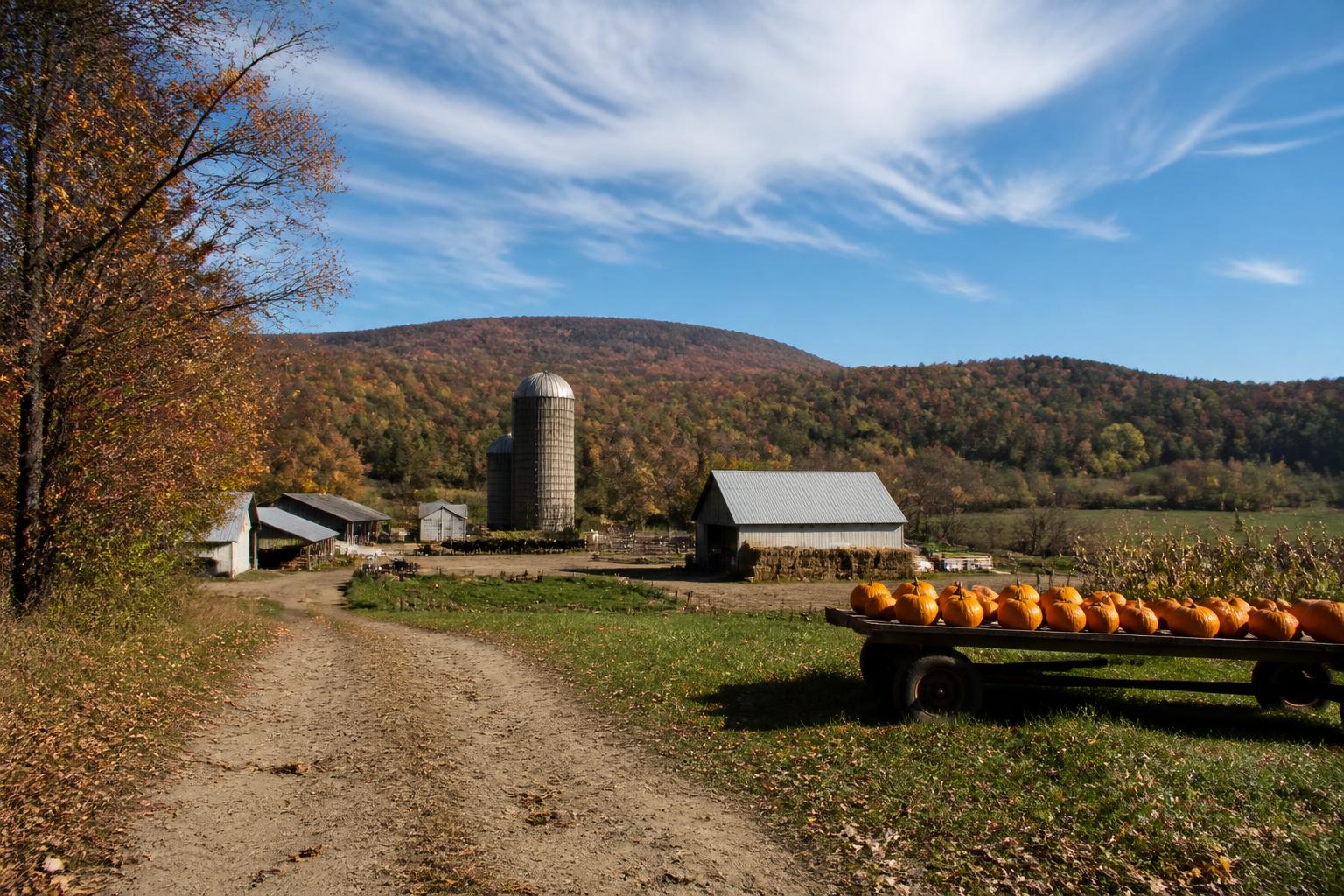
Persistent rainfall across West Virginia during this mid-October window is creating a challenging environment for fall field operations. With saturated ground conditions common in many areas, producers are reminded that managing soil health and equipment access remains a critical component of risk mitigation this season.
Prioritizing Soil Integrity During Wet Conditions
As fields remain susceptible to excessive moisture, minimizing heavy machinery passes can help prevent significant compaction. For operations navigating low-lying regions or areas with poor natural drainage, the current, prolonged wet cycle may increase the risk of ruts and soil structure damage. Maintaining a focus on West Virginia logistics and field access can help operators plan routes more effectively when terrain becomes unpredictable.
Infrastructure and Operational Safety
Beyond field conditions, the increased precipitation often impacts rural logistics, including secondary road integrity and equipment transport. It is essential to monitor local conditions as runoff can quickly alter access to grain storage and staging areas. When visibility is reduced due to seasonal weather patterns, ensuring that all equipment is properly maintained and operators are following heightened safety protocols is advised.
Furthermore, staying informed about regional environmental developments is vital. As cleanup and monitoring efforts continue at various industrial sites throughout the state, farmers are encouraged to remain vigilant about their own property’s water quality, particularly if their operations are located near active restoration or manufacturing zones.
What it means for the market
The current weather-related challenges serve as a reminder for West Virginia agribusinesses to remain agile. For producers, the priority is protecting the long-term viability of their acreage by avoiding unnecessary mechanical stress on wet soil. For those involved in the supply chain, expect potential delays in transport if regional roadways see temporary closures or restrictions due to flood concerns or maintenance. Proactive communication with haulers and input providers can help minimize the impact of these logistics hurdles on your fall bottom line.
Comments
No comments yet - be the first to share your take.