
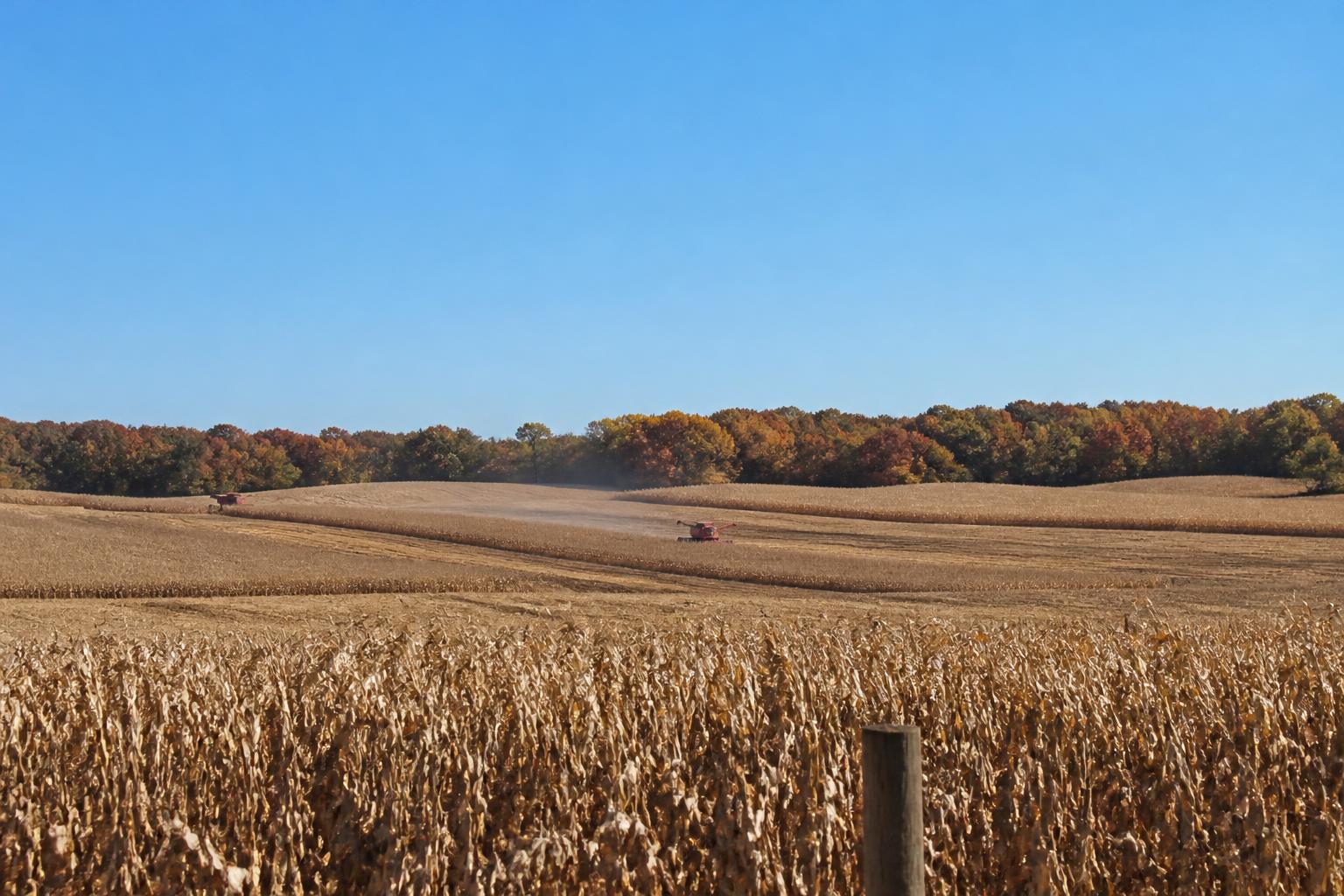
The 2026 harvest season is reaching a critical inflection point for Minnesota grain handlers and producers. While crop quality reports from across the state have indicated significant variability, the current pace of field activity is placing predictable stress on local infrastructure. From the logistics of moving fall yields to managing moisture levels, the industry remains focused on coordinating efficient harvest flow to mitigate potential bottlenecks at elevators and regional shipping points.
Legislative Progress on Financial Protections
Beyond the logistical challenges of the harvest, legislative focus has recently turned to the long-term stability of the sector. Proposed advancements to the state's Grain Indemnity Fund reflect an ongoing effort to provide a safety net for producers in the event of elevator insolvency. Such legislative initiatives are increasingly relevant as farmers weigh their options for storage and delivery in a market that demands both operational efficiency and financial security.
Input Costs and Future Planning
As growers finish their final passes in the fields, the focus is naturally beginning to shift toward input planning for the coming seasons. Persistent concerns regarding the cost of essential inputs, such as fertilizers, continue to influence long-term strategy for many operations. Recent developments in localized ammonia production capacity in the state offer a glimmer of potential relief, though the market remains sensitive to broader price volatility and the economic reality of tight margins.
What it means for the market
For Minnesota producers, the current environment necessitates a dual focus. In the near term, efficient logistical management remains the primary lever for maximizing the value of the 2026 crop. Simultaneously, the combination of potential legislative financial safeguards and shifting regional input supply options suggests that successful operations will need to remain highly adaptable to both regulatory changes and evolving supply chain structures as they plan for the next planting cycle.
Comments
No comments yet - be the first to share your take.