
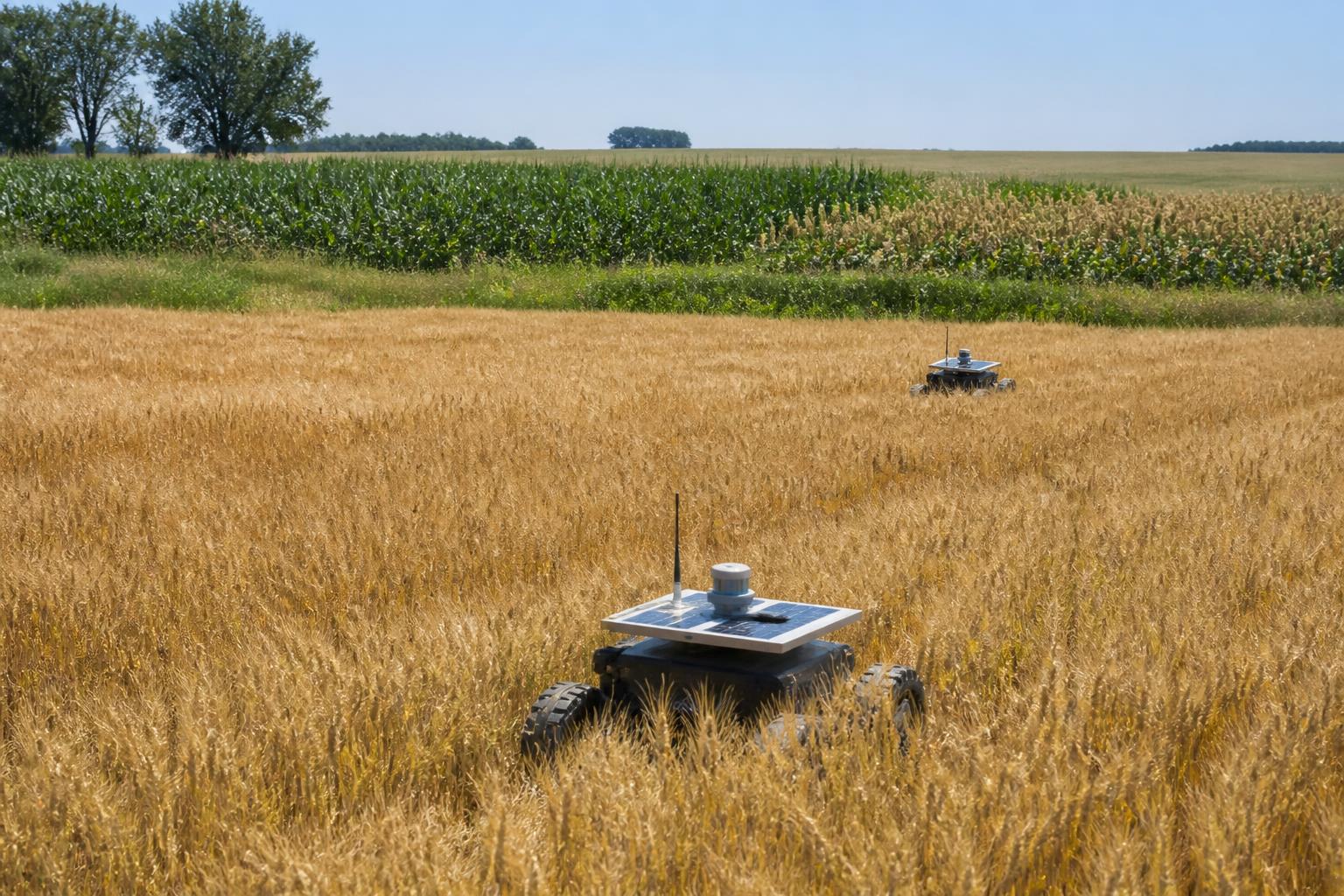
In the height of the summer season across Kansas, the focus for many producers has shifted toward balancing current crop demands with long-term resource sustainability. As water availability continues to dictate management strategies, especially in the western portions of the state, the conversation around agricultural resilience is evolving beyond traditional methods. Many producers are now exploring alternative crop varieties that may offer better performance under constrained water conditions, reflecting a broader trend of adaptation to regional climate pressures.
Technology and Innovation in the Field
The integration of new field technologies is also gaining momentum as Kansas farmers look for precision tools to navigate these challenges. From automated equipment to data-driven insights on soil moisture, the move toward smarter farm management is helping some operations optimize their inputs. As these practices become more common, the industry is closely watching how these advancements influence yield stability during the critical crop protection and development cycles seen in mid-summer.
Supply Chain and Market Dynamics
Logistical performance remains a vital component of the Kansas agricultural landscape. Reliable access to rail, port, and trucking networks is essential as farmers manage both current harvest activities and preparations for the remainder of the season. Keeping a close watch on regional freight infrastructure ensures that when fields are ready, the movement of grain and other inputs can continue with minimal disruption, despite the complexities of the current transport environment.
What it means for the market
For agribusinesses and producers alike, the current emphasis on efficiency and sustainability is likely to reshape local supply chains in the coming years. Markets are increasingly sensitive to production shifts caused by water management decisions, and firms that provide technology or services to improve farm resilience are finding greater traction. Staying informed on these regional adjustments will be key for navigating the evolving economic environment in Kansas.
Comments
No comments yet - be the first to share your take.