
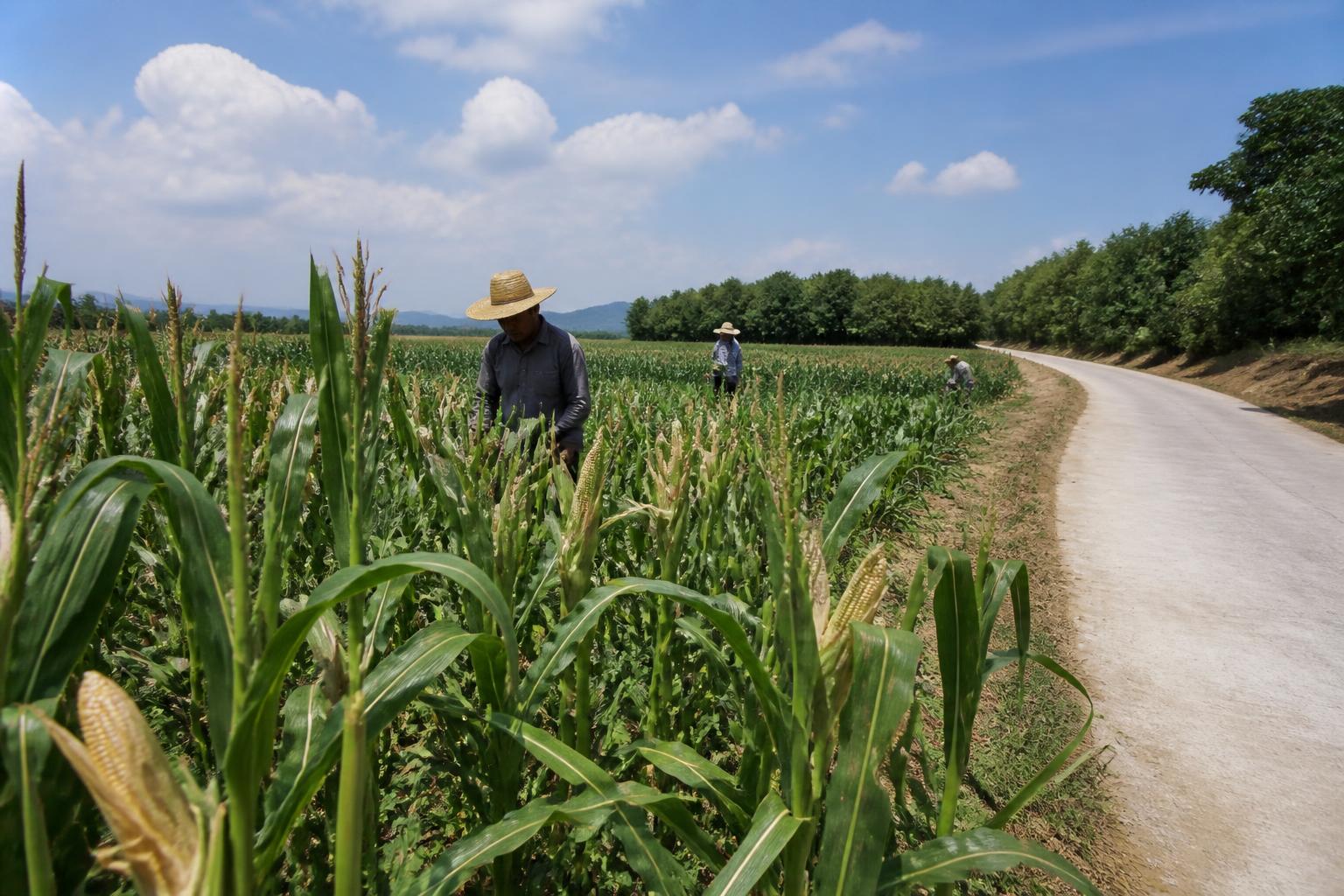
Mid-summer in Rhode Island brings a unique set of challenges as producers balance the demands of the harvest season with the realities of navigating local supply chains. With field activities in full swing, efficiency in moving specialty crops from rural production sites to local markets is increasingly dependent on the reliability of state infrastructure. Strategic investments in farm-to-market connectivity remain a critical conversation for growers looking to maintain consistent delivery schedules during these high-volume months.
Infrastructure and Logistical Constraints
As traffic patterns fluctuate across the state, transportation continues to be a focal point for agribusinesses. Roadway maintenance and construction can often impact haul times, creating ripple effects in the delivery of perishable goods. For many local operations, optimizing logistics means staying ahead of these transportation hurdles, which can disrupt the seamless flow of produce into urban centers and regional hubs.
Land Values and Farm Viability
Beyond logistics, the state’s agricultural landscape is seeing shifts in how land is perceived and utilized. Recent high-profile property sales, such as the notable transition of large tracts in Bristol, underscore the ongoing pressures surrounding land availability and valuation. Ensuring that the next generation has access to viable farmland while maintaining long-term agricultural sustainability remains a priority for the regional farming community.
What it means for the market
For Rhode Island farmers and handlers, the current environment necessitates a proactive approach to resource management. By focusing on infrastructure resilience and local input sustainability, producers can better insulate their operations against broader market volatility. Success in the current season relies heavily on maintaining strong links between production fields and end-market access, ensuring that Rhode Island-grown products remain a staple in the local supply chain despite shifting economic pressures.
Comments
No comments yet - be the first to share your take.