
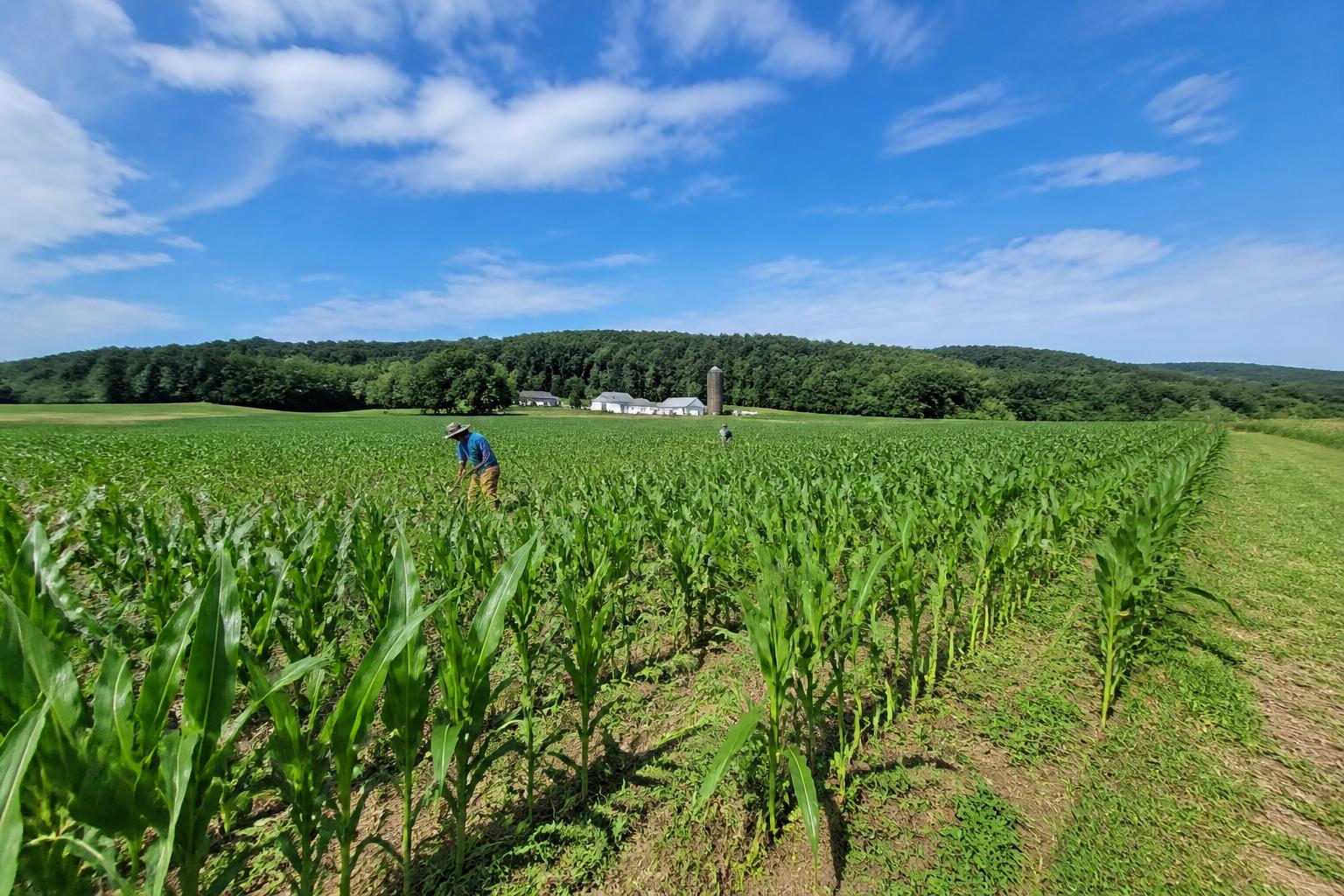
As we navigate the peak of the summer season in Rhode Island, the agricultural landscape remains a hive of activity. For farmers, grain handlers, and transport operators, this period brings a distinct set of logistical challenges. Ensuring the efficient movement of goods from field to market requires balancing the demands of high-traffic summer infrastructure with the rigorous timing required for local harvest and processing needs.
Maintaining fluid operations often hinges on the ability to navigate regional infrastructure constraints. In some parts of the state, particularly as we see a focus on Rhode Island grain logistics and seasonal transport, understanding local road weight limits and peak-hour congestion is essential for cost-effective delivery. Agribusinesses should continue to monitor local traffic patterns closely to avoid unnecessary delays that can impact the quality of perishable goods or the profitability of grain movements.
Adapting to Summer Operational Pressures
The mid-summer months often see an increase in supply chain fluidity requirements as various sectors, from specialty crop producers to small-scale dairy distributors, coordinate with regional retailers. Effective communication between producers and freight partners remains the most reliable strategy for minimizing downtime. Whether dealing with local short-haul deliveries or coordinating larger regional shipments, keeping lines of communication open helps mitigate the risks associated with the high volume of recreational traffic often found near our coastal agricultural regions.
Prioritizing Reliability in the Supply Chain
Market participants are encouraged to evaluate their current logistics workflows to ensure they align with the seasonal shifts common in July. Establishing contingency plans for transport routes can serve as a buffer against unexpected congestion or infrastructure maintenance projects that may arise during the warmer months. By focusing on proactive coordination, stakeholders can help maintain the integrity of the state's diverse agricultural offerings, from field-side pick-ups to market-ready product distribution.
What it means for the market
For Rhode Island farmers and logistics providers, the current market climate demands a focus on precision and foresight. As summer operations continue to ramp up, the ability to anticipate and adapt to transport variables will be a key differentiator in maintaining margins and service levels. Producers who prioritize consistent communication and route planning are better positioned to navigate the complexities of the mid-summer supply chain successfully.
Comments
No comments yet - be the first to share your take.