
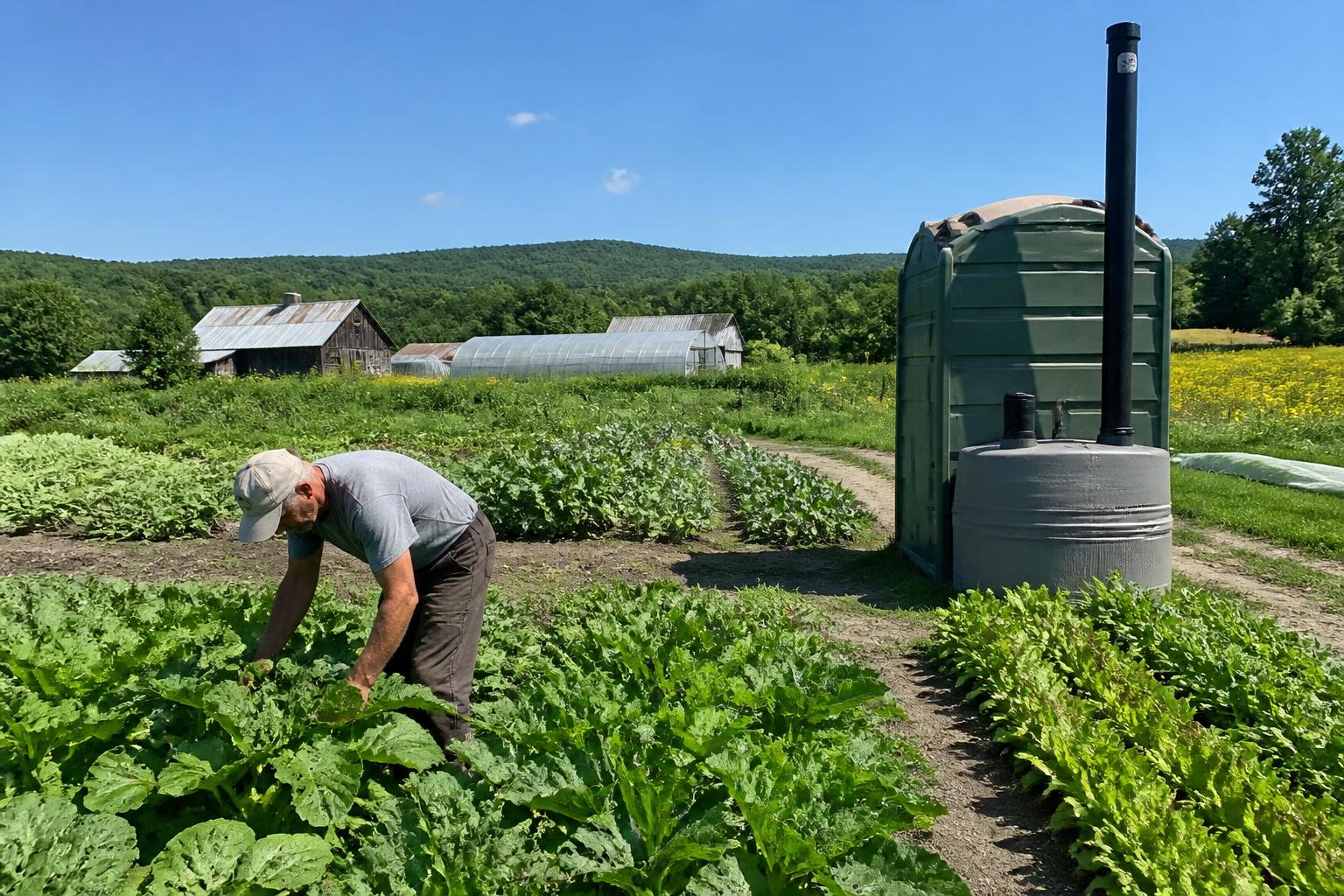
As the peak of the summer season settles over Vermont, the state's agricultural landscape is navigating a period of significant transition. Producers are currently evaluating their operational resilience as they prepare for upcoming regulatory shifts and adjust to broader market pressures. From the rolling hills of the Champlain Valley to the diverse operations throughout the state, farmers are seeking ways to maintain productivity while navigating complex environmental and input-related standards.
Adapting to Evolving Input Regulations
One of the most pressing concerns for Vermont growers remains the adaptation to new input restrictions. With recent state-level actions—such as the prohibition of paraquat and ongoing discussions regarding neonicotinoid-treated seeds—producers are actively exploring alternative pest management strategies. This shift is prompting many to reconsider their long-term agronomic practices. For those managing soil health, the focus remains on finding sustainable, compliant solutions that preserve yields without relying on conventional chemicals that are facing increased scrutiny.
Market Partnerships and Strategic Growth
Beyond regulatory hurdles, the Vermont agribusiness sector continues to see shifts in institutional partnerships. Recent moves, including cooperative alignments within the dairy and specialty product sectors, underscore a trend toward consolidation and shared resources. By leveraging these strategic alliances, smaller operations may find themselves better positioned to weather the challenges of a volatile market, ensuring that Vermont-made products remain competitive on both local and regional scales. Producers are encouraged to keep a close watch on how these organizational changes impact supply chain access and pricing stability for the remainder of the year.
- Monitor updates on the federal farm bill, as legislative changes could influence future resource availability.
- Evaluate current soil management protocols in light of ongoing seed-treatment phase-outs.
- Consider collaborative marketing efforts to strengthen your brand presence during the late-summer harvest window.
For more insights on maintaining operational flexibility, see how Vermont farmers are adjusting their input strategies during this busy season. Additionally, reviewing strategies for long-term resilience in farm management can help mitigate risks associated with shifting regional market conditions.
What it means for the market
For Vermont farmers and agribusinesses, the current environment demands a proactive approach to compliance and partnership building. While regulatory changes introduce immediate logistical challenges, they also provide an opening to differentiate operations through sustainable practices and strengthened cooperative ties. Success in the latter half of the season will likely depend on the ability to manage input costs effectively while staying aligned with the state's tightening environmental requirements.
Comments
No comments yet - be the first to share your take.