
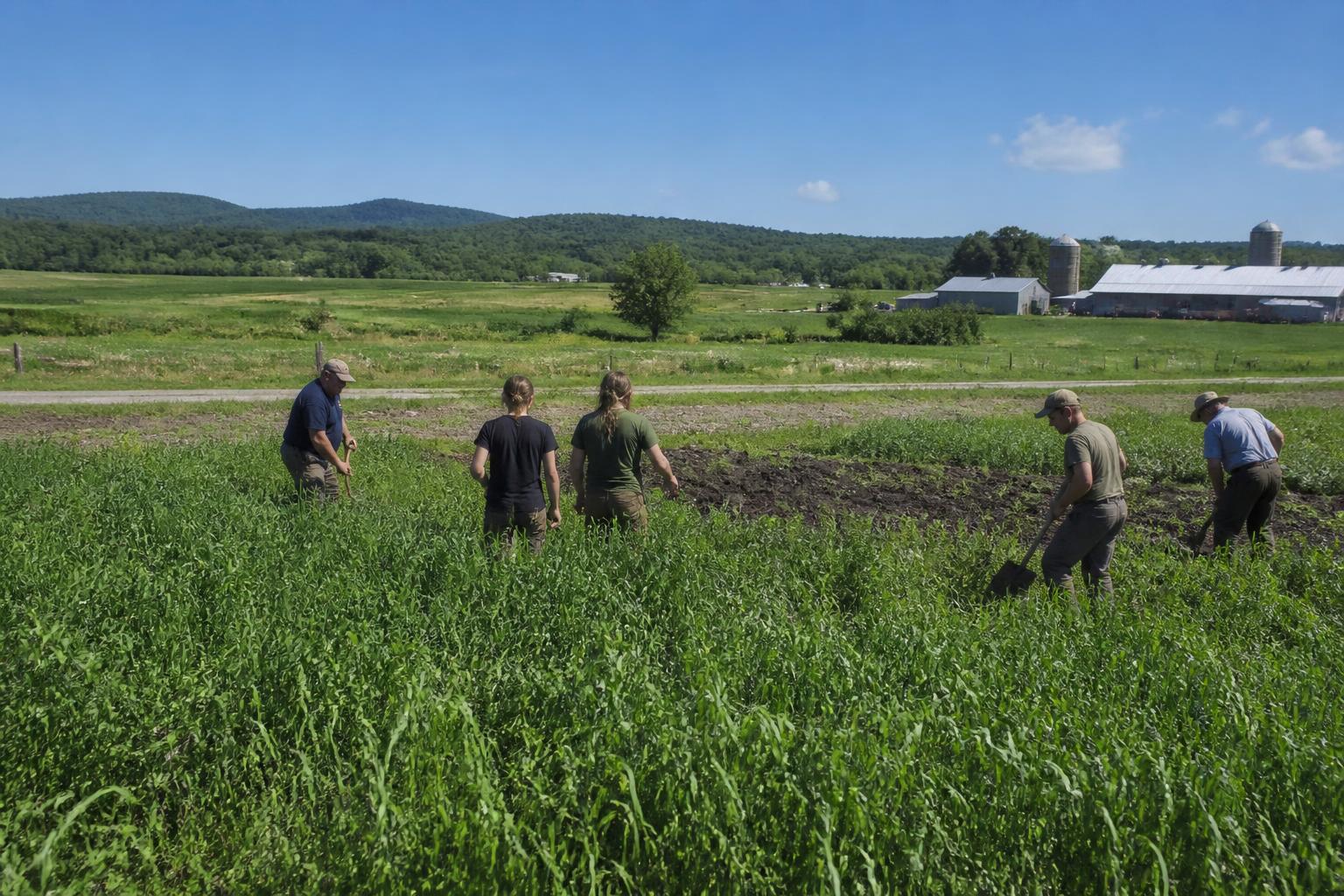
Vermont's agricultural landscape continues to face a complex period characterized by both environmental recovery and shifting industry standards. For many producers, the focus remains on building long-term resilience, whether through adapting to post-flood field conditions or navigating the implications of potential changes to pesticide usage, such as proposed restrictions on neonicotinoids.
Optimizing Forage and Land Utility
In the face of these challenges, maximizing the utility of every acre has become a priority. Many growers are exploring the adoption of cover cropping for forage production. This approach offers a potential dual benefit, protecting soil integrity while simultaneously providing additional feed resources for livestock. As farmers weigh the costs and benefits of their input choices, navigating agricultural resilience has become essential for long-term viability in the state.
Addressing Structural and Regulatory Headwinds
The regional dairy sector continues to grapple with systemic market pressures and structural declines, which complicate the financial outlook for many family-run operations. Simultaneously, ongoing discussions regarding input regulations demand that producers stay informed about how evolving input regulations might impact crop protection strategies. Balancing these regulatory changes with the necessity of effective pest management remains a key friction point for the industry.
What it means for the market
For agribusinesses and producers, the current environment necessitates a cautious, analytical approach to resource management. With ongoing climate-related recovery efforts still influencing production, prioritizing strategies that offer both environmental protection and operational flexibility—such as those discussed in navigating evolving input standards—is vital. Keeping operations lean and responsive to regional market signals will be a defining factor for success as Vermont agriculture moves through the remainder of the growing season.
Comments
No comments yet - be the first to share your take.