
Expanding Renewable Infrastructure in Idaho
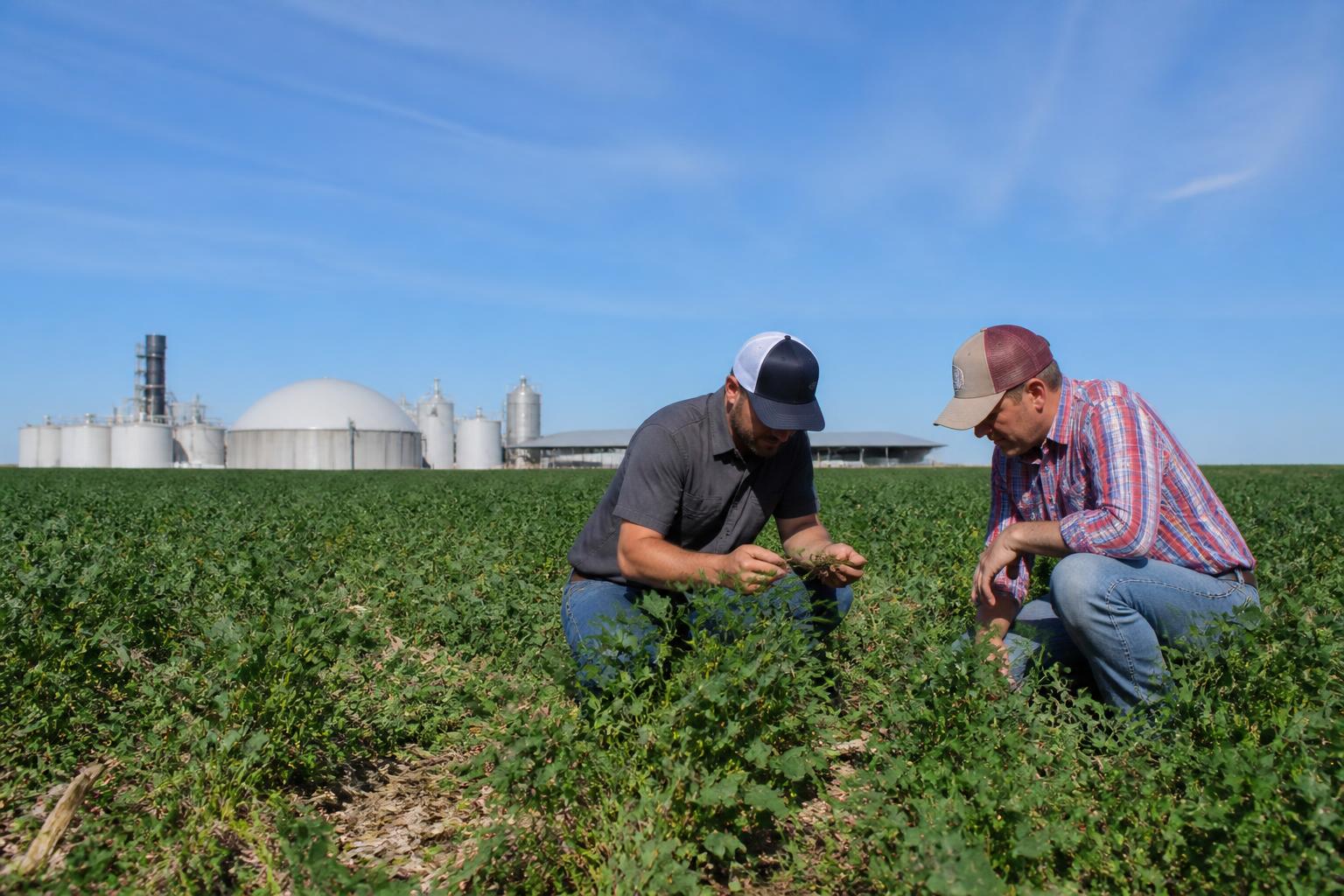
As we move through the heat of the summer season, Idaho's agricultural landscape is seeing significant developments in energy integration. Clean Energy Fuels has recently initiated operations at a new renewable natural gas (RNG) plant within the state. This infrastructure addition highlights a growing trend of converting organic waste streams into sustainable energy, potentially providing producers with new avenues for byproduct management. For local agribusinesses and farm operations, these shifts in renewable energy capacity often signal long-term changes in how rural energy needs are met.
Navigating Regulatory and Policy Hurdles
The policy environment remains a central point of tension for Idaho growers. Recent activity in the executive and legislative branches has kept stakeholders on high alert regarding input management. Specifically, discussions concerning state-level pesticide regulations continue to draw debate, as seen in recent vetoes by the governor that affected proposals supported by crop-duster associations. These regulatory pressures often complicate operational planning for pest management throughout the growing season. Understanding the nuances of these evolving standards is essential for maintaining crop integrity and ensuring compliance during peak maintenance windows.
Market Volatility and Federal Support
Beyond the state line, Idaho farmers are voicing concerns at the federal level regarding the adequacy of current crop insurance programs. With the market often dictating the thin margins experienced by regional producers, industry representatives are highlighting the necessity for more robust federal support to mitigate risks associated with volatile commodity prices. As logistical chains adjust for the summer harvest, many farmers find themselves at the mercy of broader market cycles, underscoring the importance of comprehensive risk management strategies.
What it means for the market
The combination of emerging RNG infrastructure and the ongoing push for better crop insurance protections illustrates a pivot toward both sustainability and risk mitigation. For Idaho agribusinesses, the current climate demands a focus on diversifying operational revenue while staying closely engaged with state and federal policy shifts that impact long-term financial stability.
Comments
No comments yet - be the first to share your take.