
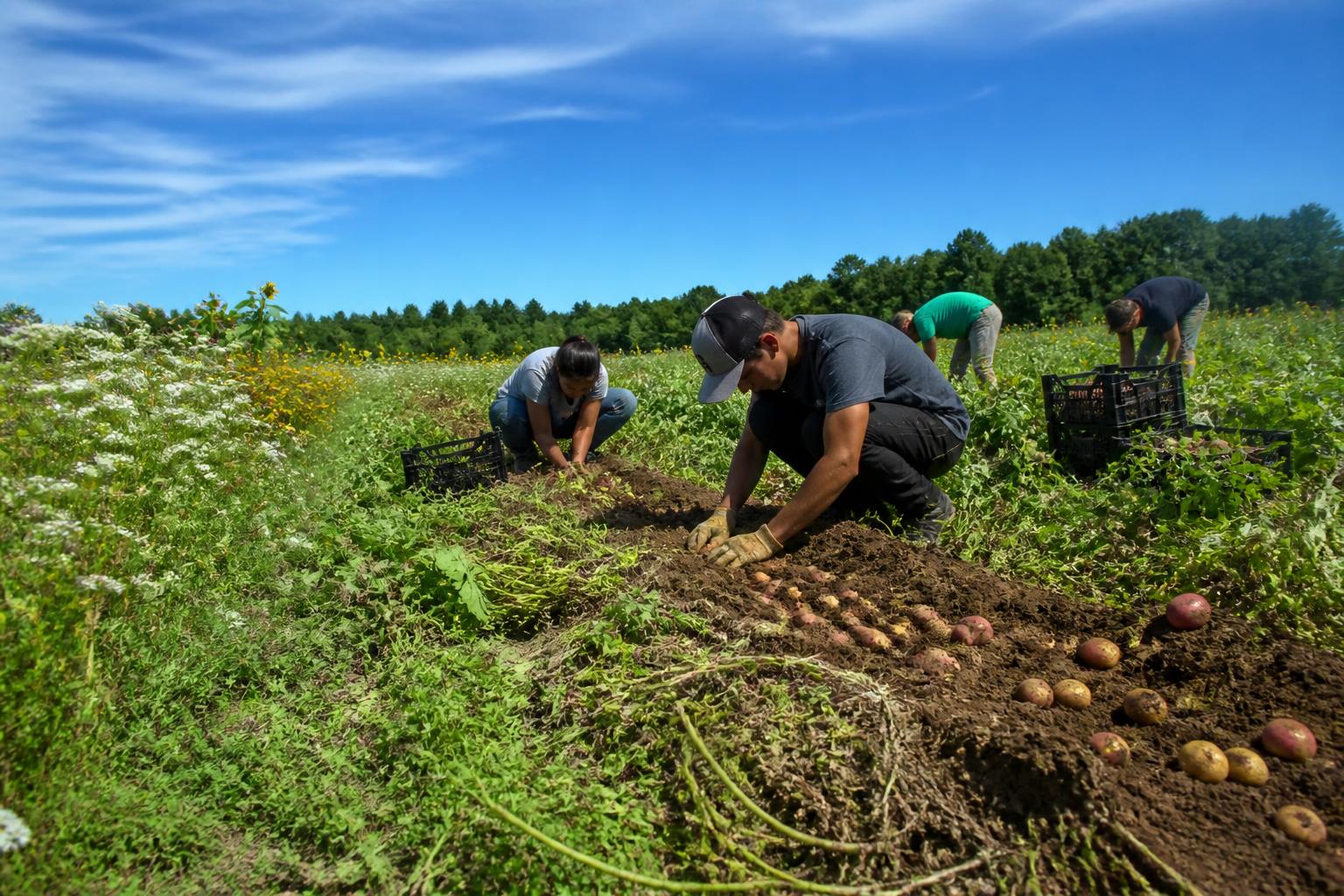
The August Transition in Wisconsin Fields
As summer temperatures persist across Wisconsin, the agricultural landscape is transitioning into a busy harvest period. For producers, this time of year often marks the beginning of early crop harvests, such as the initial rounds of red and yellow potatoes. As machinery begins to move through fields in central and southern Wisconsin, farm operators are balancing active harvest logistics with the necessary planning for end-of-season soil testing and nutrient management.
Input Strategy and Soil Management
For many growers, late summer is the opportune window to evaluate the success of their current fertilizer programs. While the focus remains on crop quality during harvest, smart agribusinesses are already looking at upcoming input requirements. Assessing soil health after the heavy pull of the summer growing season can help identify nutrient gaps that may require remediation during fall applications. Understanding your local market dynamics for fertilizer supply and logistical transport is critical to ensure that when the time comes for post-harvest amendments, the necessary supplies are on-site and ready for application.
Building for the Future
Beyond current inputs, the broader agricultural sector in Wisconsin continues to grapple with long-term stability and succession. The industry-wide challenge of attracting new talent remains a common topic at local appreciation days and industry forums. Strengthening the next generation of leadership is just as vital as managing next season's fertilizer load. As producers look to improve their integrated protection strategies and streamline field operations, prioritizing efficiency in both human and physical capital remains a central theme for the remainder of the season.
What it means for the market
For fertilizer handlers and grain operations, the coming weeks present a shift in demand profiles. As harvest pace accelerates, expect tighter demand for logistics and increased inquiry into fall soil amendment supplies. Keeping communication open with regional suppliers and monitoring localized grain and dairy trends will allow Wisconsin farmers to position their input orders ahead of the typical autumn rush, helping to mitigate potential supply chain bottlenecks.
Comments
No comments yet - be the first to share your take.