
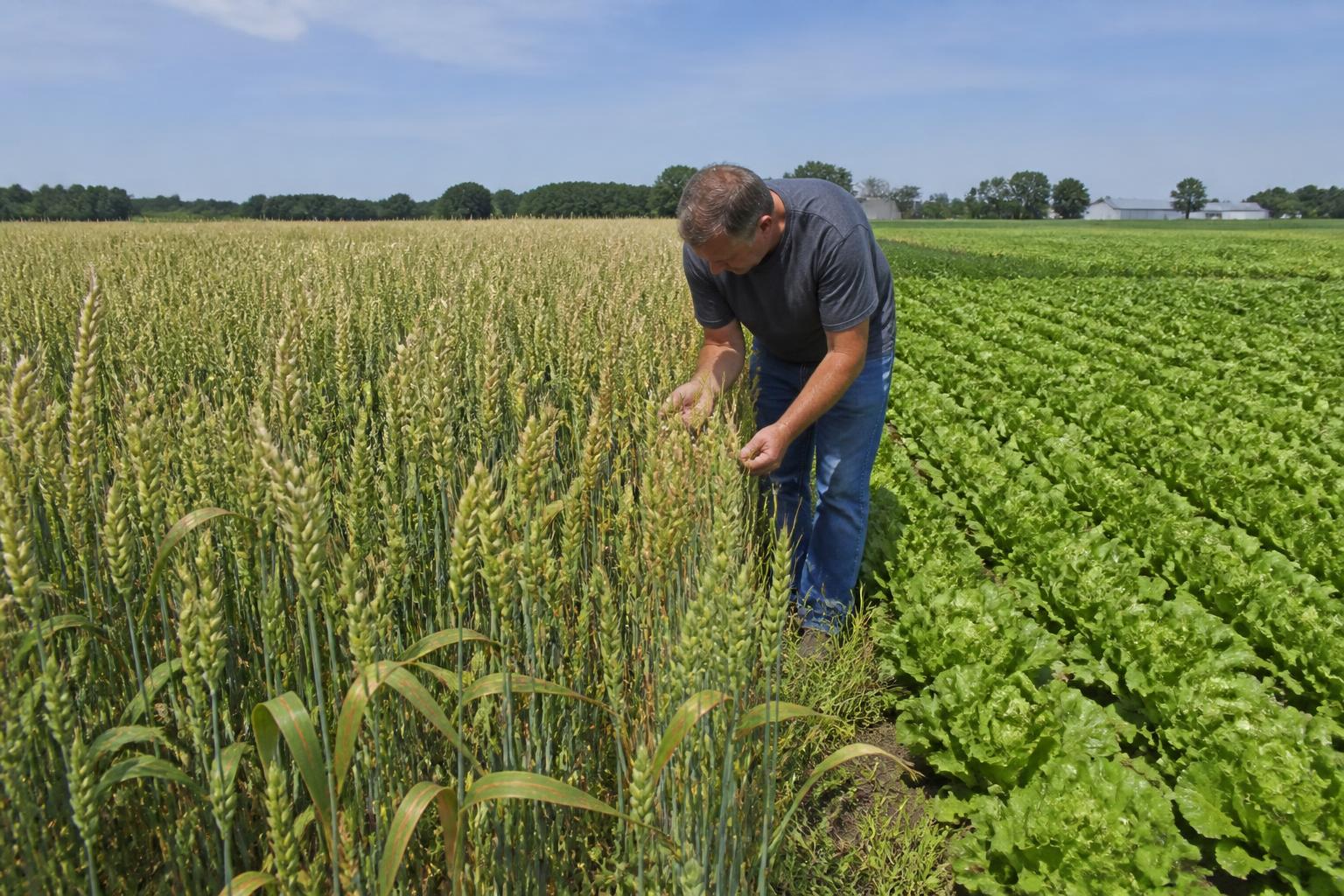
As Michigan producers move through the peak of the summer season, reports of stripe rust outbreaks across 13 mid-Michigan counties have heightened the need for vigilant field scouting. Managing disease pressure remains a critical component of protecting Michigan crop potential, particularly as environmental conditions can accelerate pathogen spread during the mid-season. Farmers are encouraged to work closely with local agronomists to assess field conditions and determine if curative or preventative measures are necessary to safeguard yield quality.
Adapting to Evolving Input and Infrastructure Pressures
The state agricultural landscape is simultaneously shifting as policymakers and industry leaders focus on long-term sustainability. New grant opportunities from the Michigan Department of Agriculture and Rural Development (MDARD) are targeting value-added food systems and supply chain resilience. For growers navigating rising operational costs, such programs may offer avenues to mitigate expenses while improving regional logistics.
Furthermore, staying informed about navigating rising input costs is more important than ever. As energy and chemical costs fluctuate, many producers are re-evaluating their risk management strategies and exploring next-generation crop insurance pilots designed to provide a firmer safety net in an unpredictable climate. Careful observation of local trends can help operators position themselves better for the upcoming harvest.
Logistics and Market Readiness
Beyond the field, logistics remain a cornerstone of profitability. Whether dealing with shifting land-use patterns or regional supply chain bottlenecks, maintaining awareness of local infrastructure updates is vital. As you prepare for the busy months ahead, monitoring grain basis levels and utilizing grain quality management strategies will be essential to ensuring that your crop retains its value from the combine to the elevator.
What it means for the market
For Michigan agribusinesses, the current environment demands a dual focus: immediate pathogen management to preserve standing wheat crops and strategic long-term planning regarding input procurement and infrastructure utilization. Growers who act early on disease detection and stay engaged with state-level supply chain initiatives will be best positioned to handle the volatility inherent in today's agricultural economy.
Comments
No comments yet - be the first to share your take.