
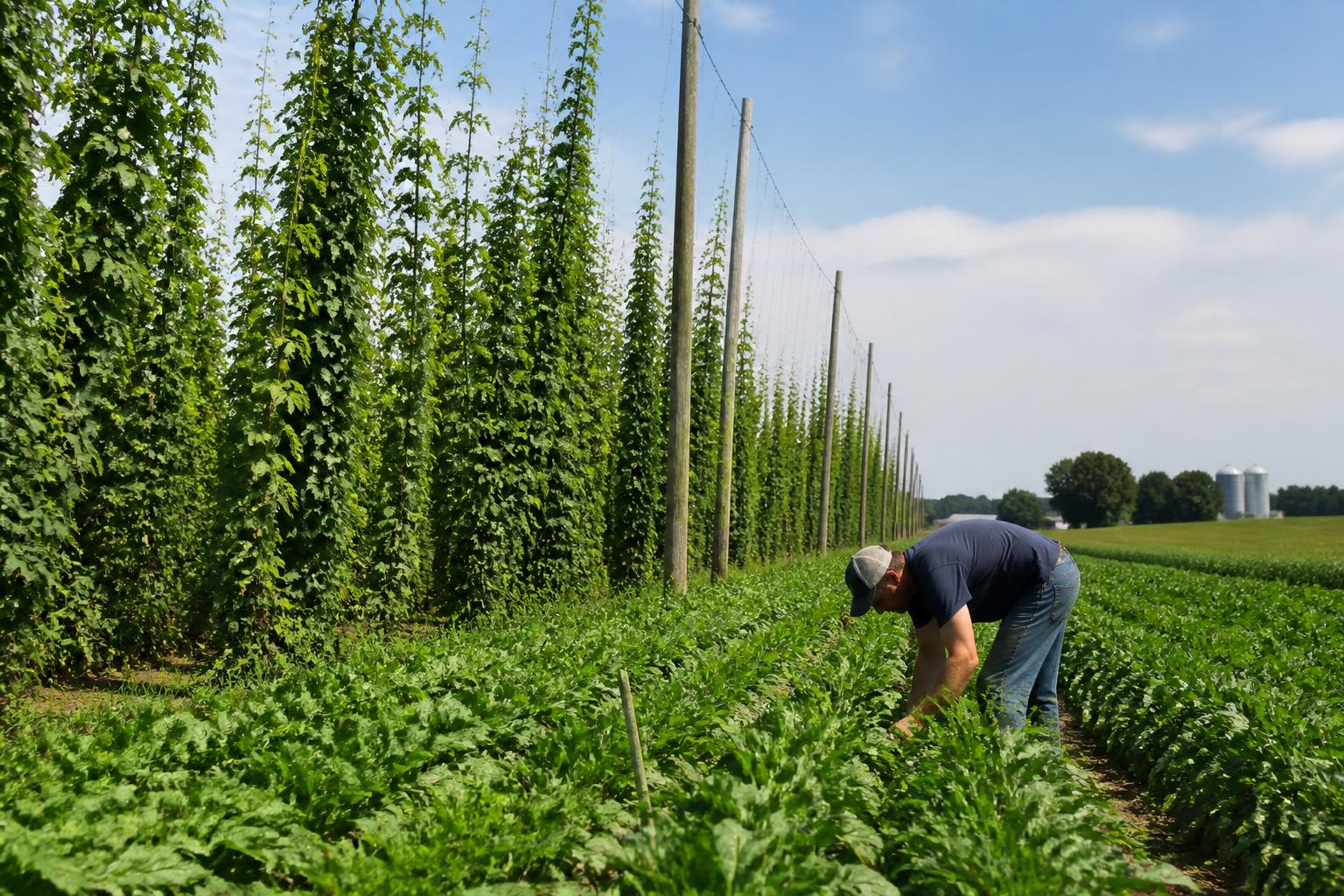
Mid-summer in Michigan often brings a complex mix of logistical hurdles and economic pressures for the state's diverse agricultural sector. As field crops progress through their critical growth phases, producers are increasingly focused on managing the narrowing margins caused by climbing fertilizer expenses and broader supply chain uncertainties. These cost pressures are felt across the state, from the specialty crop regions to the broader grain-producing counties, forcing many agribusinesses to re-evaluate their seasonal input procurement strategies.
For those managing stored grain, the current market climate highlights the importance of strategic timing and local market awareness. With interest rates continuing to exert upward pressure on the costs associated with holding inventory, many growers are closely monitoring regional basis levels. Effectively tracking Michigan grain logistics and market shifts can be the deciding factor in whether on-farm storage serves as a liability or a tool for capturing potential price premiums later in the season.
Managing On-Farm Financial Exposure
The persistence of higher interest rates has changed the calculus for grain storage. When carrying costs outweigh potential basis improvements, producers are often forced to move product earlier than planned. This adds a layer of complexity to seasonal planning, requiring grain handlers to be more agile in their logistics and delivery schedules to avoid unnecessary detention or storage overhead.
Input Cost Volatility and Supply Stability
Beyond the grain markets, fertilizer availability and pricing continue to be a top-of-mind concern. Recent shifts in potash production and broader supply fluctuations are forcing farmers to look closely at their nutrient management programs. While some producers are looking to optimize application rates through precision technology, others are prioritizing long-term soil health to buffer against the volatility of imported inputs. Staying informed on regional supply trends remains essential for any farm manager looking to maintain stability in a shifting economic landscape.
What it means for the market: As we move deeper into the summer, the ability to balance immediate liquidity needs with long-term storage strategies will likely distinguish the most resilient operations. Producers should prioritize localized market data to navigate the current environment, keeping a close watch on both input pricing trends and local infrastructure capacity as harvest approaches.
Comments
No comments yet - be the first to share your take.