
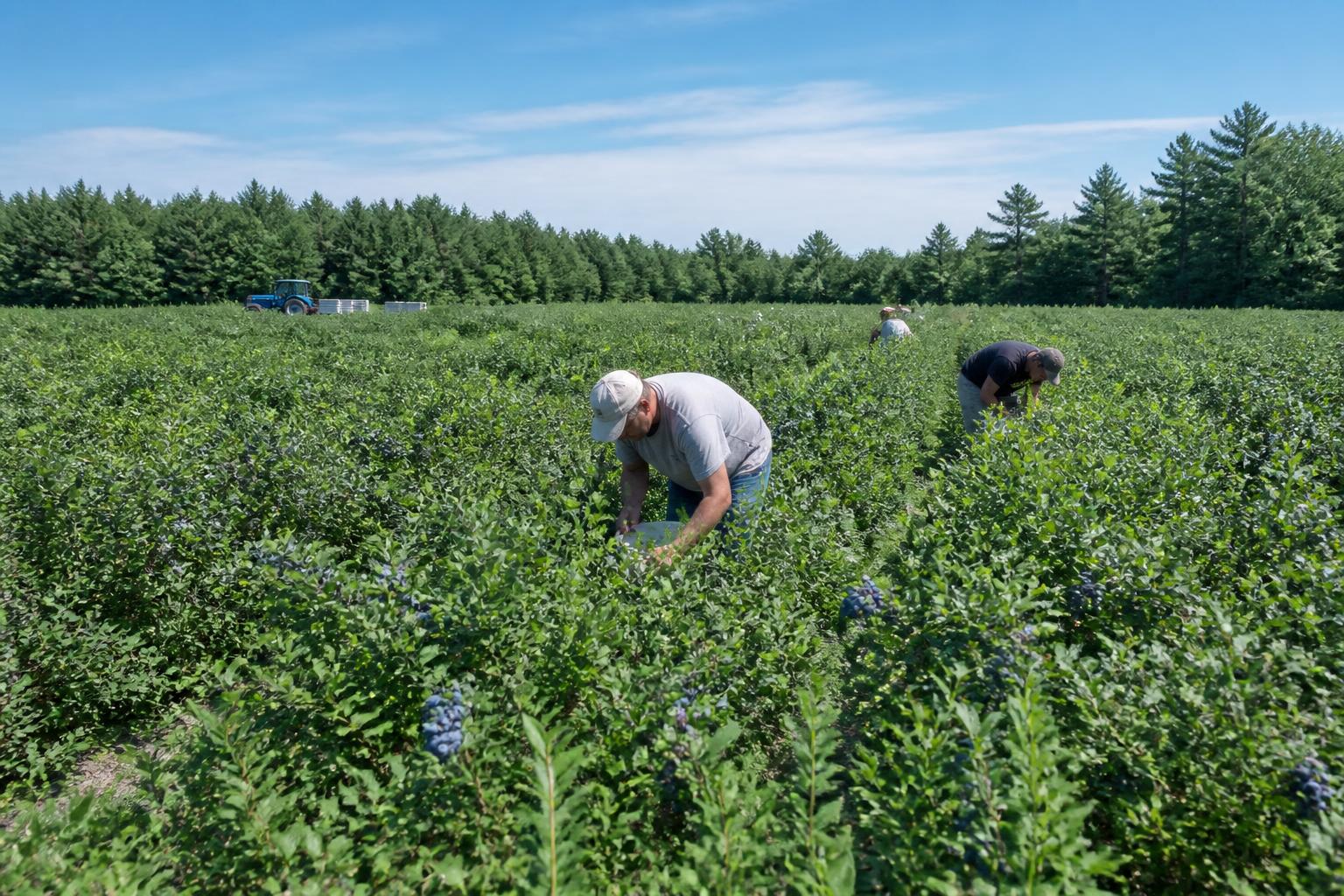
Maine agriculture is currently navigating a pivotal transition as the summer season progresses. While the state's grain economy and specialty crops continue to adapt to market volatility, a growing emphasis on long-term land security has taken center stage for many producers. Protecting working landscapes through conservation easements ensures that viable soil remains available for future generations, providing a buffer against development pressures that can often arise in rural counties.
The resilience of regional farms remains a central theme, especially as producers evaluate their operational footprints. For those interested in the structural shifts affecting the state's landscape, navigating regulatory and operational shifts in Maine agriculture offers a deeper look at the framework governing current land management practices. These efforts to solidify the land base are occurring alongside a generally favorable outlook for core commodities, including the wild blueberry crop, which has shown signs of a strong recovery from previous seasons.
Balancing Growth with Sustainability
Operational efficiency continues to be a priority for grain handlers and producers across the state. As harvest activities intensify during these peak summer months, the focus shifts toward optimizing storage capacity and managing the logistics of crop movement. Producers looking to streamline their workflows can gain insights from navigating Maine grain markets and local demand to better align their supply chain strategies with regional consumption patterns.
Furthermore, as producers manage their inputs and field assets, understanding the broader context of sustainability is key. For those managing grain production, it is important to stay updated on how Maine grain producers navigate evolving seasonal challenges. By integrating sustainable practices with data-driven operational choices, farmers can mitigate the risks associated with unpredictable climate conditions that occasionally impact New England agriculture.
What it means for the market
The movement toward permanent land protection, coupled with a rebounding harvest, signals a period of stabilization for Maine’s agribusiness sector. Producers who prioritize both long-term asset security and short-term operational efficiency will likely be better positioned to weather future market uncertainties. As we move through August, watch for continued focus on yield outcomes and the integration of new stewardship initiatives that may further enhance the viability of local farms.
Comments
No comments yet - be the first to share your take.