
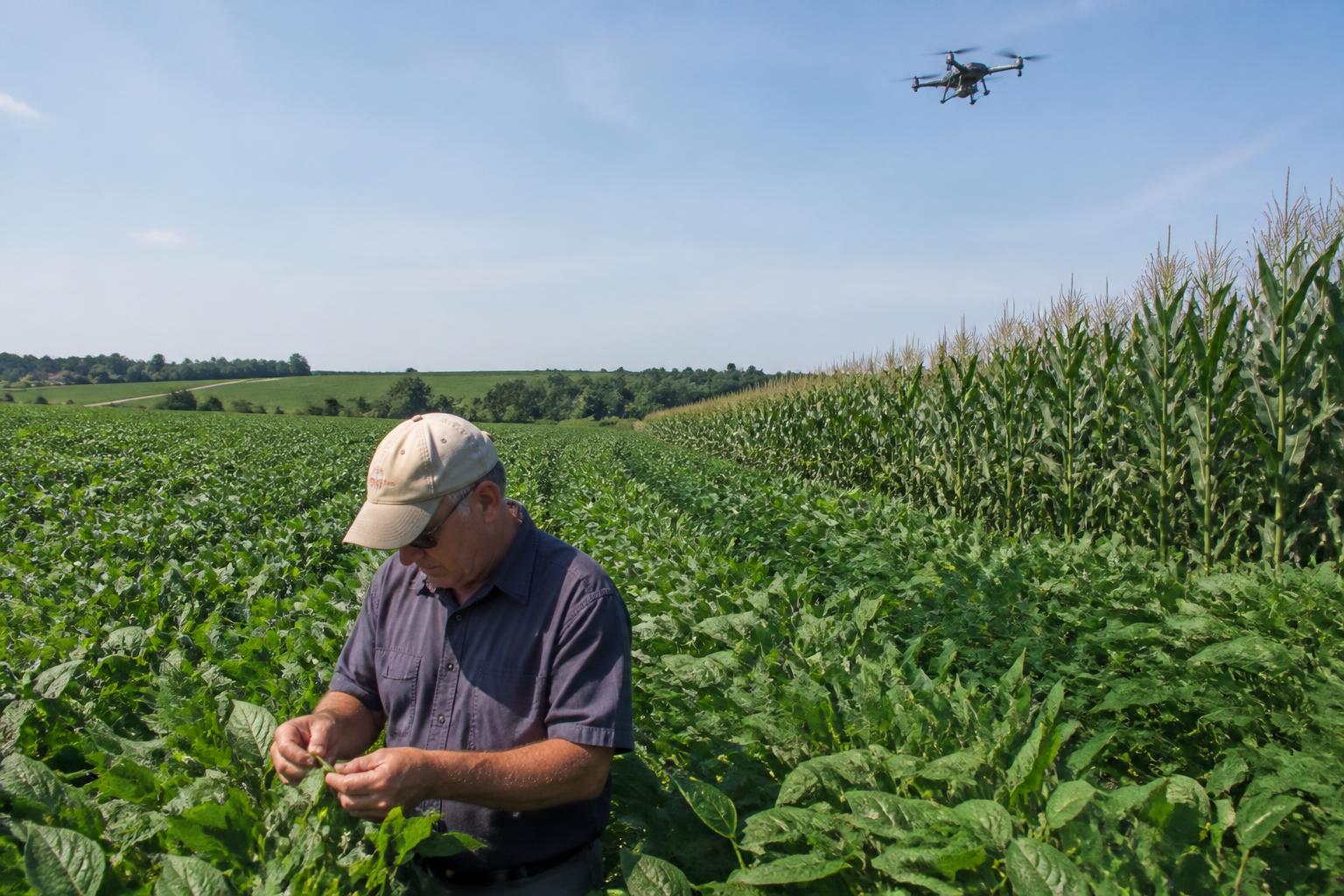
Active Scouting in Kansas Fields
As we move through August, Kansas farmers are turning their focus to intensive crop monitoring. With the summer season in full swing, local fields across the state are seeing increased pressure from various pests and fungal diseases. Proactive scouting remains the most effective tool for managing these risks before they significantly impact the bottom line.
Current reports indicate that southern rust, tar spot, and leafhoppers are present in several regions. Maintaining a vigilant approach to late-season crop protection is vital, as early detection often allows for more precise and cost-effective management decisions. Field managers should prioritize regular checks in areas with high humidity or previous moisture events, which tend to favor the development of fungal pathogens.
Managing Fungal and Pest Threats
The impact of leafhoppers and fungal outbreaks can vary significantly depending on localized weather patterns and the growth stage of the crop. In some parts of Kansas, the combination of high temperatures and varying levels of humidity can accelerate disease life cycles. Ensuring that scouting efforts cover both the upper and lower canopy is essential, as these threats may not always be visible from a quick drive-by inspection.
When assessing the need for treatment, consider the economic threshold for the specific pest or disease observed. Consulting with local extension services or trusted agronomists can provide clarity on whether current conditions warrant a remedial application or if monitoring should continue.
What it means for the market
For grain handlers and agribusinesses, the health of the crop directly influences incoming volume and storage requirements. Widespread disease pressure can lead to uneven harvest windows, potentially stressing local logistics and regional elevators. By prioritizing crop protection now, producers can help maintain yield potential and improve the consistency of harvest quality, ultimately supporting more stable market supply chains through the end of the season.
Comments
No comments yet - be the first to share your take.