
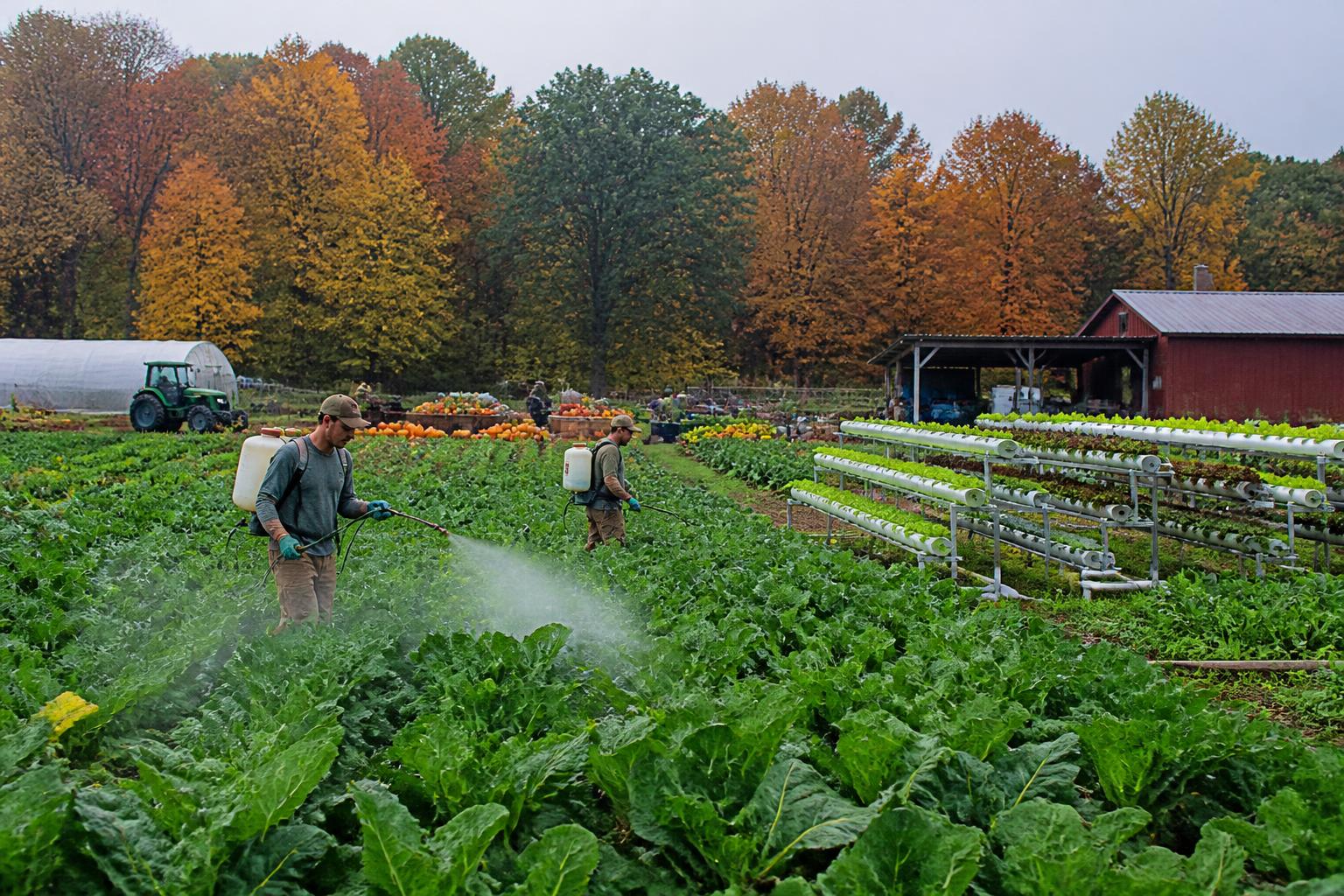
As the fall season progresses, producers across Alabama are navigating a complex intersection of late-stage harvest activities and strategic operational planning. Growers remain focused on maintaining crop health and maximizing yields during this critical window, with many operations continuing to manage input variables that influence bottom-line profitability.
For those managing rising operational costs, the current market climate necessitates a disciplined approach to resource allocation. While regional logistics and supply chain pressures remain a constant consideration, farmers are increasingly looking toward sustainable land management practices and infrastructure improvements to fortify their position against broader market volatility.
Strategic Shifts in Production and Oversight
Beyond the immediate demands of the field, the sector is seeing increased attention toward diversified production methods. The growth of controlled-environment systems, such as hydroponic farms, is creating new niches within the state's agricultural framework. These developments often require different regulatory navigation compared to traditional soil-based operations, particularly as farmers and commissioners address shifting standards for regional produce distribution.
Meanwhile, as noted in discussions on operational resilience, the importance of maintaining stable input supplies remains paramount. Recent national-level initiatives aimed at bolstering fertilizer availability are being watched closely, as producers assess how localized distribution channels can mitigate the risks of international market disruptions.
What it means for the market
For Alabama agribusinesses and input buyers, the coming weeks represent a period of calculated adaptation. The combination of harvest-time pressure and changing policy landscapes suggests that stakeholders should prioritize flexibility in their supply contracts. By monitoring both regional labor trends and the macro-level shifts in commodity inputs, producers can better position themselves to weather the current season and prepare for a stable transition into the winter months.
Comments
No comments yet - be the first to share your take.