
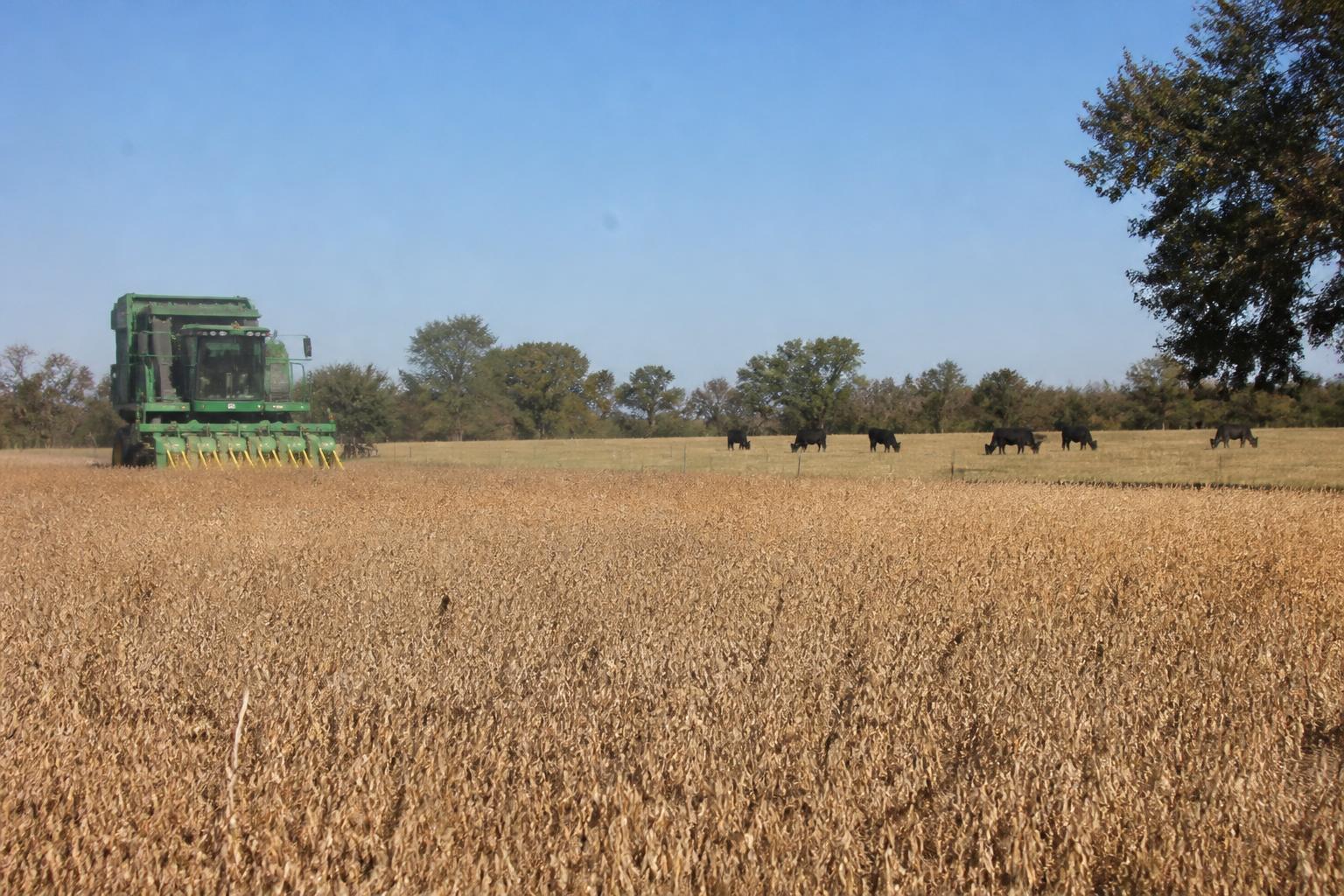
As Texas farmers reach the height of the fall harvest season, safeguarding both current yields and long-term production remains a top priority. State leadership has recently emphasized the importance of robust biosecurity and regulatory oversight to ensure the resilience of the agricultural supply chain. These efforts include the implementation of enhanced defense protocols designed to protect regional operations from both emerging economic pressures and biological threats.
Bolstering Biosecurity and Regulatory Oversight
State agencies are increasingly coordinating with federal partners to address vulnerabilities in plant and livestock security. For those interested in long-term resilience, understanding effective revenue protection tools can be a vital component of a comprehensive defense strategy. Proactive monitoring of regional threats, such as the reported northward spread of the New World screwworm, remains essential for livestock producers, particularly in the southern regions of the state where cross-border surveillance is critical.
Logistics and Resource Stability
Beyond biological threats, the stability of critical inputs is vital for maintaining production. Recent shifts in trade policy regarding imported fertilizers aim to alleviate cost pressures, a move that could provide some relief to bottom lines as producers begin planning for the next planting cycle. Reliable infrastructure and logistical efficiency remain at the forefront of these discussions, as the state works to keep transport corridors open for both seasonal movement and future agricultural needs.
For those managing the physical flow of commodities, maintaining situational awareness regarding export basis and logistics is key to navigating the current harvest period effectively. By integrating these protective measures into their operations, Texas agribusinesses are better positioned to weather unpredictable market and environmental challenges.
What it means for the market
For Texas producers and agribusinesses, the current focus on defensive infrastructure signals a period of heightened caution. Producers should stay informed about regional quarantine updates and regulatory changes that may impact input pricing or livestock movement. By staying ahead of biosecurity risks and leveraging updated financial protection strategies, participants can stabilize their operations during the volatile fall market cycle.
Comments
No comments yet - be the first to share your take.